





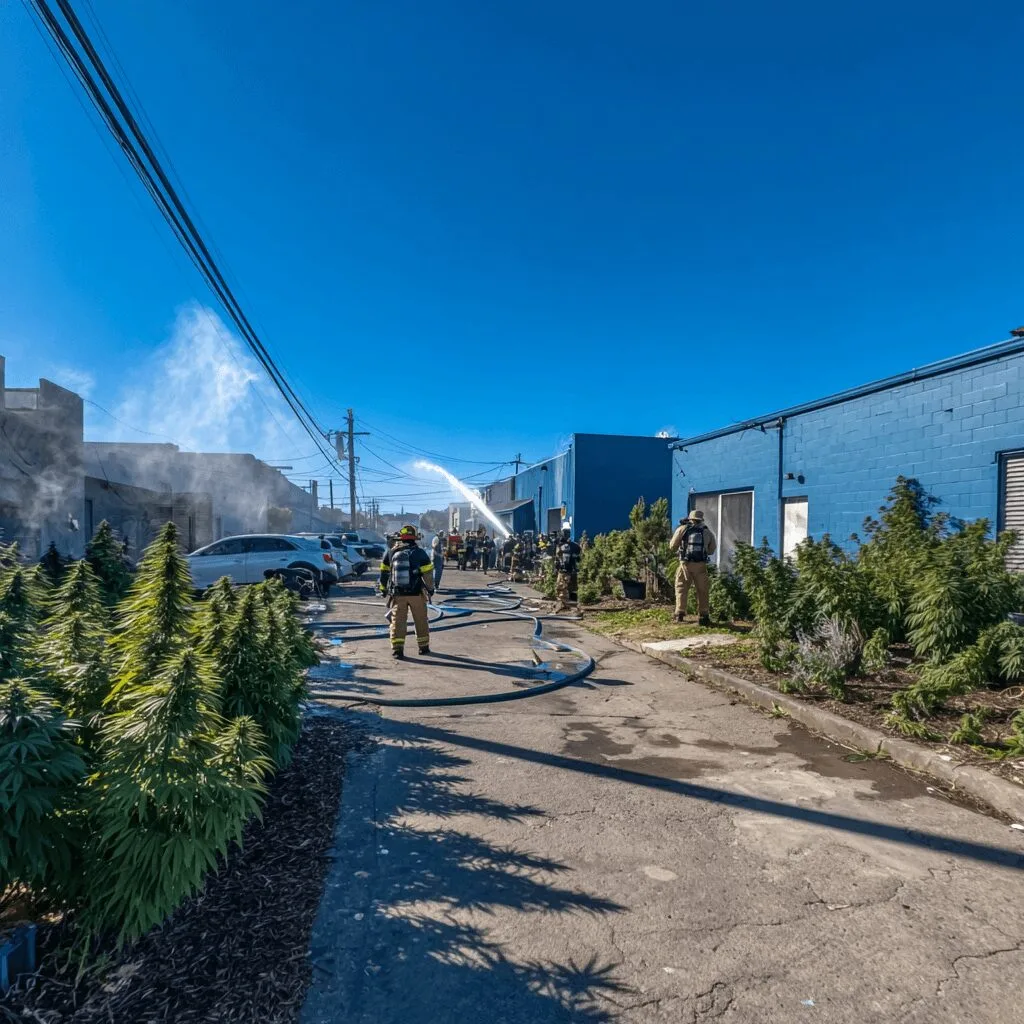
Oakland cannabis fire: Blaze hits East Oakland grow facility
The recent Oakland cannabis fire in East Oakland is turning more than a few heads across the Bay Area. With local grow facilities being major engines for jobs and economic growth, a major blaze naturally becomes headline news. Beyond the dramatic visuals, this fire highlights just how intertwined cannabis operations are with urban life, and why robust safety and compliance measures matter now more than ever. In this deep dive, let’s break down what happened, the broader regulatory climate, real industry concerns, and a bit of forward-thinking optimism for the cannabis community.
Regulatory Realities: Oakland’s Cannabis Laws and Grow Facility Safety
The Oakland cannabis fire brings the spotlight squarely onto how local and state laws shape the cannabis industry’s risk landscape. In California, cannabis is legal for adult use and medical consumption, with the California Department of Cannabis Control overseeing an increasingly sophisticated system of licensing, security, and compliance. Oakland has embraced commercial cannabis, but challenges like underfunded inspections and a patchwork of enforcement standards still exist. Recent legislative changes across the country, including shifts at the federal and state levels, are affecting cannabis operators—many are watching how potential federal legalization could change the game for the industry. Under local policy, growers must meet rigorous fire safety protocols, including robust ventilation and electrical codes (see City of Oakland regulations). With the explosive growth of indoor cultivation, and urban warehouses being rapidly converted, the realities on the ground sometimes lag behind best practices. According to MJBizDaily, the rush to establish urban grows can stretch both landlords’ and operators’ abilities to always maintain peak safety, especially in older buildings.
Key Developments: What Happened at the East Oakland Cannabis Facility?
The Oakland cannabis fire broke out early Saturday morning at a sizeable cultivation warehouse located at the intersection of 44th Avenue and San Leandro Street, as reported by ABC7 News. First responders arrived quickly and managed to contain the blaze before it spread to neighboring businesses. Emergency vehicles lined the block, with firefighters working hoses and battling smoke well into the morning.
While the grow company’s name has not been made public, city officials stated the facility was properly permitted and operations were above-board according to city records. No injuries were reported, and initial reports suggest the fire might have originated from an equipment malfunction—a not-uncommon risk in high-wattage indoor grow environments, as seen in other states facing evolving marijuana facility regulations, such as recent changes to cannabis business costs in Michigan.
As of the latest update, the Oakland Fire Department is conducting a thorough investigation, with assistance from city cannabis regulators. This event comes amid a string of industrial fires throughout the Bay Area and places added pressure on the city to re-examine oversight and communication with the rapidly expanding cannabis sector (San Jose Mercury News).
Industry Perspective: Risks, Community Impacts, and Solidarity
The Oakland cannabis fire is more than just a one-off emergency, it’s a wake-up call for urban-based cannabis operators everywhere. Industry leaders and longtime cultivators recognize that, as cannabis goes mainstream, so do expectations around public safety, environmental stewardship, and operational best practices. As Leafly points out, warehousing in old industrial neighborhoods offers unique challenges for fire safety, and retrofitting these spaces for cannabis production requires investments and a culture of accountability.
Deeper, the cannabis community is famously tight-knit, and even competitors look out for one another when disaster strikes. “Whenever a fire hits, we all feel it, because safety and legitimacy are what keep this industry moving forward,” says Jasmine Tyler, founder of the East Bay Cannabis Workers Collective (Cannabis Business Times).
Losses from a blaze like the one in East Oakland are a difficult test for operators and communities—reminding everyone that cannabis businesses are woven into the local fabric. Events such as these also drive renewed calls for education, frequent safety drills, and better infrastructure support for entrepreneurs in this space. For many, there’s a real debate as to whether cannabis itself or over-the-counter pain relief is the best option during recovery following such incidents, which echoes broader national discussions regarding how cannabis compares to other pain management methods like ibuprofen.
Looking Forward: Safer Days and Growth Ahead After the Oakland Cannabis Fire
Yes, the Oakland cannabis fire stings—but this community isn’t just resilient, it’s adaptable. As regulators, operators, and advocates continue to collaborate, the industry is seeing smarter facility designs and more robust safety protocols, especially in urban environments. According to Benzinga Cannabis, post-incident reforms have historically led to safer operations and improved trust between businesses, neighbors, and officials.
Looking forward, we can expect more proactive fire prevention initiatives, targeted city support, and a big push for public education about cannabis businesses’ contribution to local economies. The social and regulatory landscape keeps improving, and the cannabis industry, for all its gritty setbacks, continues to blaze new trails—safely and boldly. If Oakland’s growers get anything out of this, it’ll be a deeper sense of solidarity, responsibility, and optimism for doing business the right way. Here’s to the green future—rooted in safety, community, and hard-earned progress.
Originally reported by: abc7news.com


1 Comment
Pingback: Teen Killed Lake Norman: Shocking Truths Emerge