




Medical Cannabis Evidence Gaps: What the Hype Overlooks
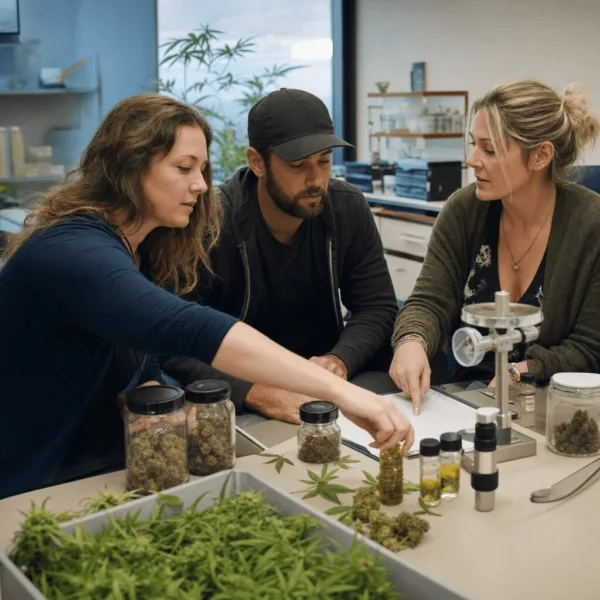
Medical cannabis has become the talk of the town, lighting up newsfeeds and medical debates in equal measure. But, while dispensaries multiply and patients line up with hope in their eyes, the harsh buzzkill remains: medical cannabis evidence gaps still dominate discussions around efficacy, regulation, and safety. From the latest policy updates to breakthrough research reports, everyone wants to know—what do we truly know, and what’s lost in the haze? Let’s clear the smoke and get real about why the medical cannabis evidence gaps matter for patients, doctors, and advocates.
Regulatory and Social Roots of Medical Cannabis Evidence Gaps
The journey of cannabis from street taboo to medical marvel has been anything but simple. Early on, cannabis had more legal roadblocks than a festival traffic jam. As The New York Times highlights, a patchwork of state laws and a stubborn federal stance left scientists stranded, often denied the chance to study the plant in rigorous clinical settings. These legal tangles, paired with social stigma and underfunded research budgets, have slowed progress and deepened the medical cannabis evidence gaps. Even as over 70% of Americans now support medical legalization (according to a recent Pew Research Center survey), regulatory bottlenecks remain, a direct hit to scientific advancement and public trust. Meanwhile, the rush to market has often outpaced the data required for safe, effective care, leaving gaps that both patients and physicians grapple with daily.
Recent Developments and Persistent Issues in Cannabis Research
The hype machine surrounding medical weed often drowns out tougher questions, including what we actually know about dosing, interactions, and long-term impacts. SciTechDaily reports that a massive review, published by the British Medical Journal, found the majority of commonly prescribed cannabis-based products still lack rock-solid clinical evidence for many of their claimed benefits. Despite growing sales—U.S. medical cannabis revenue crushed $5 billion in 2023, as per Benzinga—therapeutic clarity lags behind, especially compared to the pharmaceutical industry. The review flagged huge data gaps on chronic pain, PTSD, and epilepsy, despite these conditions driving most patient recommendations. Industry experts, as noted by JAMA, emphasize the need for standardized product formulations and rigorous, transparent clinical trials. More than twenty-five states now allow some form of medical marijuana, but regulations, product content, and approved usages remain wildly inconsistent, a breeding ground for confusion and misinformation that continues fueling persistent medical cannabis evidence gaps. Recent fluctuations in industry growth may signal uncertainty, as analysts question whether the industry can bounce back in upcoming years.
Expert Analysis: Interpreting the Medical Cannabis Evidence Gaps
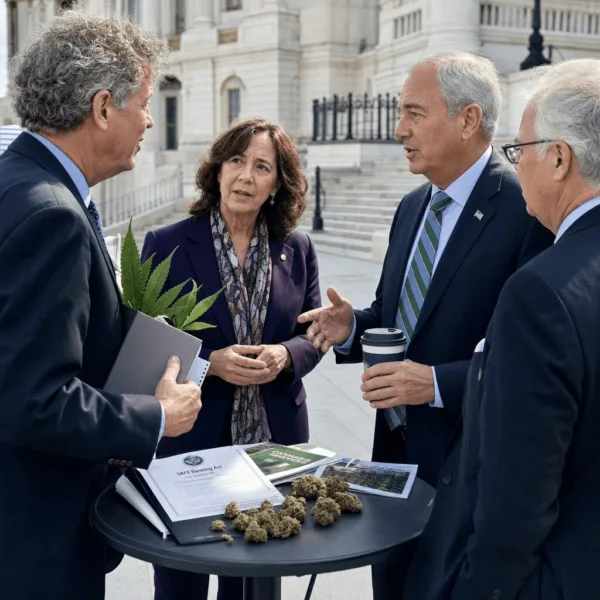
The boom in dispensaries and the green rush of investments can look promising, but seasoned industry advocates agree—without robust evidence, patient care could end up as muddy as an unflushed bong. As Leafly puts it, “Patients deserve more than anecdotal hope, they deserve real answers, backed by solid science.” This sentiment is echoed by Dr. Yasmin Hurd, director at Mount Sinai’s Addiction Institute, who told NPR, “We need highly controlled and standardized studies because people’s lives, and their health, are at stake.” From an industry perspective, these gaps reflect a system in flux, shaped by decades-old stigma and inconsistent state-to-state rules. Changes in state policies—such as those observed in recent Arizona marijuana repeal initiatives—show the complex interplay between legislation, public opinion, and scientific research. Many in the cannabis world view the headlines about medical cannabis evidence gaps as rallying cries for reform, not as evidence of futility. The race is on to support research infrastructure, encourage data sharing across borders, and embrace rapid change—responsibly and safely. As the evidence base builds, the green rush could lead to an era of precision medicine for cannabis, but honest conversations about medical cannabis evidence gaps must come first.
Future Outlook: Bridging Medical Cannabis Evidence Gaps
Despite the haze, there’s plenty of reason to stay optimistic about the cannabis revolution. As more states and countries ease restrictions, the scientific community is gaining unprecedented legal and financial support to close medical cannabis evidence gaps. According to Forbes, new waves of investment and evolving federal policy are already fueling a research renaissance. Patients, advocates, and researchers are pushing the boundaries, fighting for access, and demanding clarity. What’s next? Enhanced clinical trials, standardized dosing guidelines, and honest, data-driven conversations about the benefits— and risks. As we move forward, bridging medical cannabis evidence gaps isn’t a setback; it’s a sign of a maturing industry finding its balance between innovation and responsibility. The future looks promising if we face the gaps head-on, roll up our sleeves, and keep learning.
Originally reported by: scitechdaily.com

1 Comment
Pingback: Underage THC Sales Minnesota: Shocking Trends Exposed