






Dangers of High-THC Marijuana: What You Need to Know Now
High-THC marijuana is everywhere, from dispensary shelves to the headlines. Why does this matter right now? Because today’s cannabis is more potent than ever, with new research, shifting laws, and health warnings making the dangers of high-THC marijuana a hot topic. With increasing anecdotes and data calling for attention, it’s time to have a balanced conversation about what’s changing, what science shows, and how these developments impact everyday users, patients, and the cannabis industry. Let’s dive into the highs and the hazards—no taboos, just facts.
Understanding the Landscape: Legal, Social, and Market Backdrop
Not long ago, marijuana was seen primarily as either contraband or counter-culture medicine. But legalization has flipped the script. Over 20 states, including California and Illinois, now allow recreational cannabis. Yet, as market competition heats up, cultivators are breeding stronger strains, some pushing THC content well over 30%, according to Brookings experts.
This surge has triggered regulatory debates in statehouses nationwide. Medical professionals and lawmakers are asking whether these THC concentrations are safe for everyone, especially young adults and those with mental health risks. The CDC has drawn attention to potential risks, fueling debates about packaging, sales restrictions, and education campaigns. Meanwhile, social stigmas are easing, even as some parents and educators voice concerns. For a closer look at what this evolving environment means for local markets and the controversies surrounding new dispensaries, read about changes ahead for Long Island cannabis dispensaries. The takeaway? As cannabis grows up, so do the discussions around usage and safety, especially about the dangers of high-THC marijuana.
Key Developments, Potency, Public Health, and Policy
Recently, a Greenwich-based webinar titled “The Dangerous Truth About Today’s Marijuana” (held January 13) put the spotlight on alarming trends. Organized amid news reports of increased cannabis-related ER visits among high school and college students, the event drew healthcare pros, parents, and curious citizens.
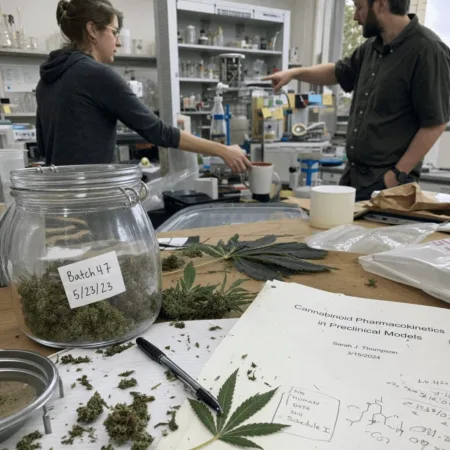
Speakers cited studies linking super-high-THC products to temporary psychosis, heightened anxiety, and risks for those predisposed to mental health disorders. As emphasized during the session, THC potency has skyrocketed: while classic ’70s weed clocked in at 3-5% THC, today’s offerings, including vape oils and waxes, can top 80%. According to National Institutes of Health, this jump parallels spikes in cannabis use disorder diagnoses among teens in states with legal recreational sales. If you want to explore more about the facts, fears, and real life health implications, check out this comprehensive analysis of the real dangers of high THC marijuana.
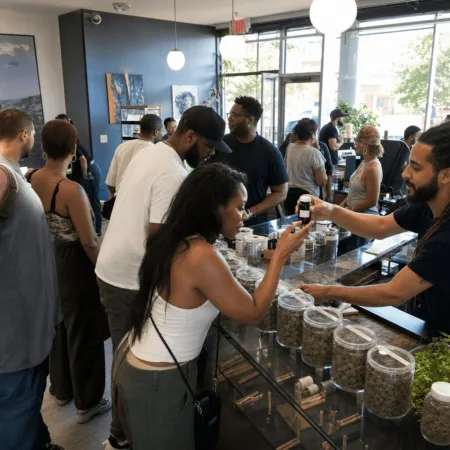
On the legal front, Colorado and Washington have proposed bills to cap THC levels or increase warnings, though none have passed into law yet. Meanwhile, dispensary workers report fielding more questions about product strength and health effects, showing consumers are getting wise to the dangers of high-THC marijuana (source: Leafly).
Expert Analysis: Facts, Fear, and the Future
The cannabis industry is no stranger to controversy, but the focus on high-THC strains is heating up for good reason. As longtime advocate and dispensary consultant Jordan Tishler, M.D., puts it, “We’ve entered new territory, these products are far stronger than what most people realize. Education is key, not fear-mongering” (Forbes).
Why is the potency war happening? Simple supply and demand. Consumers want stronger effects, pushing cultivators to breed ever-potent varieties. This doesn’t make cannabis bad, it means users need better info on dosing, tolerance, and risks. Experts from NIH stress that while many get therapeutic relief from high-THC products, others may experience side effects that weren’t an issue with less-potent flower. For further perspective on how federal reclassification debates shape the future legal landscape, see the latest updates on the political showdown over Biden’s marijuana reclassification.
Still, the conversation is far from one-sided. As pointed out at the webinar, not all high-THC marijuana users experience harm. Context matters: setting, frequency, genetics, and health history all play a role. Parents at the event pushed for more nuanced education, not just abstinence-on-repeat. The cannabis community, meanwhile, is actively developing standards, testing, and responsible use campaigns. It’s less about prohibition, more about progress when it comes to navigating the dangers of high-THC marijuana.
Future Outlook: Navigating Potency with Knowledge
The debate over the dangers of high-THC marijuana is sparking overdue conversations in every corner of the industry. As stigma fades and science progresses, both policymakers and the cannabis community are working toward a safer, more transparent future. Expect more robust labeling, greater access to harm reduction info, and decisions driven by research—not just headlines. Education, smart policy, and consumer responsibility are paving the way. As Marijuana Moment notes, positive momentum is growing as regulators, advocates, and producers join forces.
Bottom line? High-THC cannabis isn’t disappearing—but with more knowledge, we’re better equipped to enjoy its upsides while respecting its risks. The industry is evolving, and so should we.
Originally reported by: greenwichfreepress.com

1 Comment
Pingback: Holiday Travel Safety Guidelines: Essential Tips for Your Trip