Leadville dispensary fire: Shocking blaze stuns locals
The Leadville dispensary fire is sparking real concern, not just for Colorado’s cannabis scene but also for everyday folks who depend on these businesses. With dispensaries now woven into the fabric of many mountain towns, a major incident like this isn’t just smoke and ashes—it’s about livelihoods, community, and the evolving relationship between Main Street and marijuana. In this article, we’ll break down exactly what happened, the wider industry ripples, and explore how this event fits into Colorado’s cannabis journey. Spoiler: There’s hope, innovation, and maybe a silver lining for both locals and the wider weed world.
Understanding the Cannabis Landscape in Colorado and Lake County
Leadville is no stranger to cannabis culture, thanks to Colorado’s early embrace of legalization. Since Colorado legalized recreational marijuana sales in 2014 (Colorado.gov), dispensaries like the one involved in the Leadville dispensary fire have fueled both economic growth and heated local debate. Lake County, where Leadville sits at over 10,000 feet, is known for progressive, community-driven cannabis policy. Tax revenue from dispensaries funds local schools and infrastructure, helping normalize cannabis retail as an essential business—yet workplace policy and employer responsibilities continue to evolve with marijuana laws. However, dispensaries still face national regulatory hurdles and insurance headaches, as pointed out in authoritative industry digests from Leafly and Marijuana Moment. For Leadville, a dispensary fire challenges not just property owners, but the evolving public perception of cannabis operations, which is also being shaped by national policy changes—see how executive orders and rescheduling debates shape the climate in pieces such as this analysis of recent federal actions. Ultimately, the broader legitimacy and resilience of the weed industry are always on trial, especially anytime disaster strikes.
Key Developments: The Leadville Dispensary Fire, What Really Happened?
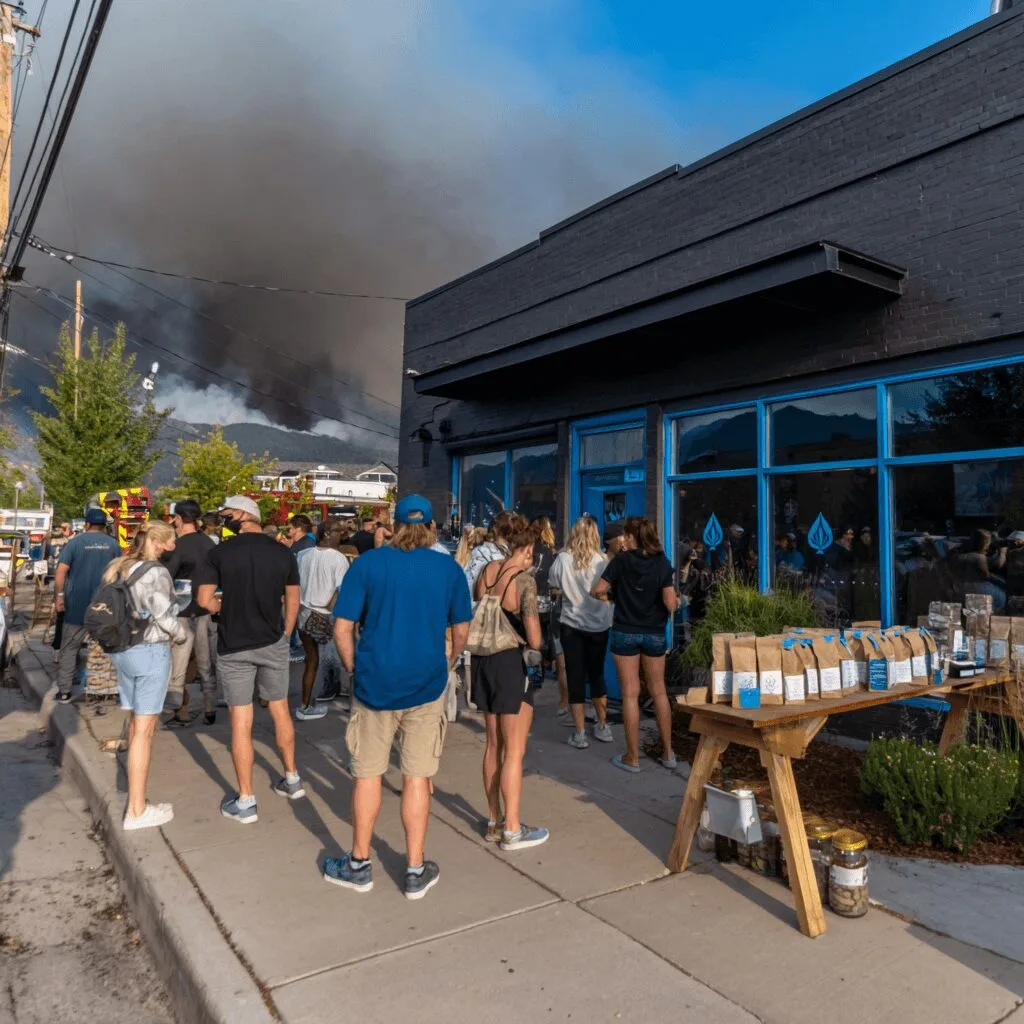
On Thursday morning, a popular CBD and cannabis dispensary in Leadville was engulfed in flames, sending thick smoke into the mountain sky and drawing crowds of concerned locals. According to Denver7’s live broadcast, firefighters responded quickly, managing to contain the fire before it spread to neighboring small businesses. Witnesses described the scene as “surreal but controlled,” with first responders and staff working together to ensure safety. Early reports suggest the fire started before opening hours, minimizing injuries. The dispensary, widely recognized for its CBD products and knowledgeable budtenders, has temporarily shuttered for investigation and repairs. Local law enforcement and fire officials are conducting a thorough probe, calling in state-level experts to rule out foul play or system failures. Sources close to the investigation stress there’s currently no indication of criminal activity, according to statements released by the Leadville fire department cited in Colorado Public Radio. In the wake of this Leadville dispensary fire, it’s worth noting how other states grapple with policy change, such as evolving reform in Tennessee, as discussed in coverage on reclassification efforts impacting local communities. Meanwhile, the shop’s local suppliers and customers are already rallying to help with cleanup and donations, signaling the dispensary’s role as a mountain town staple.
Expert Insights: What the Leadville Dispensary Fire Means for the Industry
From an industry perspective, the Leadville dispensary fire underscores how cannabis companies, despite legal status in Colorado, still face outsized operational and PR challenges. The risk of fire isn’t unique to dispensaries, but stigma and regulatory complexity often magnify the fallout. Longtime cannabis advocate and author Iris Dorbian (Forbes contributor) puts it bluntly: “Events like these are stress tests for both the reputation and the resilience of legalized cannabis businesses.” She adds, “Disasters happen in every sector, but in cannabis, the market watches twice as closely because the stakes are cultural and political, too.” Many dispensaries also contend with insurance gaps due to federal prohibition, as detailed by NCSL’s marijuana business overview. In Leadville’s case, the shop’s quick community response—volunteers cleaning up, rival shop owners offering space for product storage—shows how cannabis retailers often play exceptional roles in their communities. The path toward normalization is also impacted by ongoing changes to cannabis rescheduling, which continue to shape how the industry handles crisis events like these. There’s industry-wide hope this event convinces insurers and regulators to better support cannabis businesses facing crisis. Every fire, flood, or setback is an opportunity to show how essential and legitimate these shops have become.
Future Outlook: Silver Linings and Steely Resolve after the Leadville Dispensary Fire
As the smoke clears in Leadville, optimism and solidarity reign. Industry veterans point out that crises often drive positive change—think better safety protocols, stronger local partnerships, and smarter regulation. Colorado’s cannabis industry has weathered regulatory growing pains and market dips, but every incident like the Leadville dispensary fire forges a tighter, more professional community. According to the Marijuana Business Daily’s latest trends report, increasing social acceptance and stronger legal protections are expected to boost both public trust and market resilience in the next five years. Locally, the outpouring of support from Leadville’s residents shows that a dispensary fire doesn’t just destroy—it galvanizes a movement. As the CBD shop rebuilds, the region’s cannabis spirit remains unburned: friendly, innovative, and blazing forward.
Originally reported by: denver7.com