


Trump marijuana rescheduling: Can Trump Really Do It Alone?
The wild ride of U.S. cannabis reform just got another twist. With momentum building in Congress and the public more supportive than ever, the question on everyone’s mind is: what’s the deal with Trump marijuana rescheduling? This topic is lit right now—industry folks are buzzing, consumers are watching the headlines, and policymakers are dropping hints about change. In this piece, we’ll break down why Trump marijuana rescheduling matters, what’s in play legally, and how this debate is sparking fresh hope—alongside inevitable controversy—across the cannabis community.
Understanding the Legal and Political Background
Let’s set the stage. For decades, federal cannabis policy in the U.S. has remained stuck in the past, specifically in the era of Schedule I drug classification under the Controlled Substances Act. This label lumps weed in with heroin and LSD, making research, commerce and even simple possession a dicey proposition at the federal level. States have increasingly gone their own way, legalizing medical or even adult-use cannabis, but this patchwork approach means risk, lots of it, for everyone from growers to medical patients. The current landscape raises new discussions about how federal changes could benefit various stakeholders, especially retailers who may stand to gain from favorable reforms. For more on these potential outcomes, see why retailers are watching federal marijuana changes closely.
Enter the new wave of mainstream acceptance: Nearly 70% of Americans favor marijuana legalization, according to recent Gallup polls. The political winds are shifting and major players, from state governors to Senate leaders, are pushing for reforms that reflect the changing public attitude. But here’s the catch: rescheduling cannabis at the federal level is a legal and administrative maze. The president can influence the process, but the FDA and Department of Justice call many of the regulatory shots. So when the conversation shifts to Trump marijuana rescheduling, we’re talking about a high-stakes balancing act between executive influence, legislative authority and decades of deeply entrenched bureaucracy.
Key Developments in The Trump Marijuana Rescheduling Debate
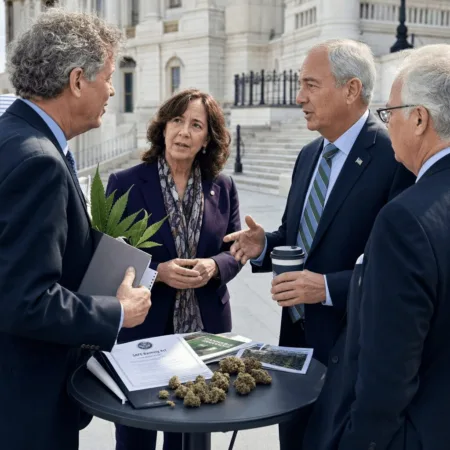
Recently, the buzz around Trump marijuana rescheduling got a fresh dose of intrigue. At the center is Republican Congressman Dave Joyce, co-chair of the Congressional Cannabis Caucus. Joyce, in a detailed interview with Marijuana Moment, stated flatly: Trump can’t technically just pick up the pen and reschedule marijuana on his own. Despite the popular belief in strong presidential authority, rescheduling involves strict clinical review procedures by the FDA, and the final decision ultimately lands with the DEA. That’s not exactly a one-man show.
Joyce explained the process isn’t about personal preference, it’s defined by science, medical research and administrative law. Still, the Trump camp has hinted at bold action if he’s reelected, positioning the Trump marijuana rescheduling question front and center in the 2024 policy debates. Even if Trump took executive action, Congress could intervene to reverse or reshape the move. Joyce called that possibility “a heavy lift,” reflecting just how tangled this web really is. For reference, broader Congressional reforms like the States Reform Act have stalled, and administrative review processes are notoriously slow, even when political momentum is high. If you’re interested in how these shifts fit into broader federal regulatory efforts, see this overview of federal marijuana regulation changes for further reading.
Expert Analysis: What Does Trump Marijuana Rescheduling Mean for the Industry?
Here’s where it gets spicy: Even if a president could single-handedly force Trump marijuana rescheduling, cannabis policy experts say the real battle is about navigating bureaucratic inertia and securing lasting, bipartisan reforms. As legalization advocate and policy analyst Justin Strekal puts it, “The executive branch can nudge, but Congress has to shove.” Strekal explains that without full Congressional buy-in, any executive rescheduling move could be challenged, reversed or simply diluted by non-cooperative agencies.
The cannabis industry, meanwhile, is preparing for every scenario. Companies see huge opportunities if rescheduling unlocks access to federal banking and tax deductions currently off-limits under IRS Code 280E. Yet the patchwork of state and local regulations isn’t going anywhere fast, meaning companies, consumers and patients need clarity before investing or expanding. The consensus from respected industry outlets like Benzinga Cannabis is clear: rescheduling could drive innovation, reduce stigma, and legitimize the whole space, but only if the move is durable and supported at every level of government. To understand why medical cannabis research findings are essential in this debate, see new research that challenges what we know about medical cannabis.
The Road Ahead: Can Cannabis Reform Go Mainstream?
If there’s one thing the Trump marijuana rescheduling saga proves, it’s that cannabis reform is now a front-burner political issue. While the technical hurdles around rescheduling are huge, the drumbeat for change isn’t slowing down. Industry growth is breaking records, public acceptance keeps climbing, and lawmakers are inching toward consensus—even if it’s slower than anyone would like. According to Leafly’s policy coverage, momentum is definitely on the side of reformers.
So, can Trump really do it alone? Not quite. But the fact it’s up for debate shows just how far the cannabis conversation has evolved. Here’s hoping the next phase of Trump marijuana rescheduling leads to more clarity, access, and respect for America’s cannabis community. Stay tuned—big things could be right around the corner.
Originally reported by: marijuanamoment.net