





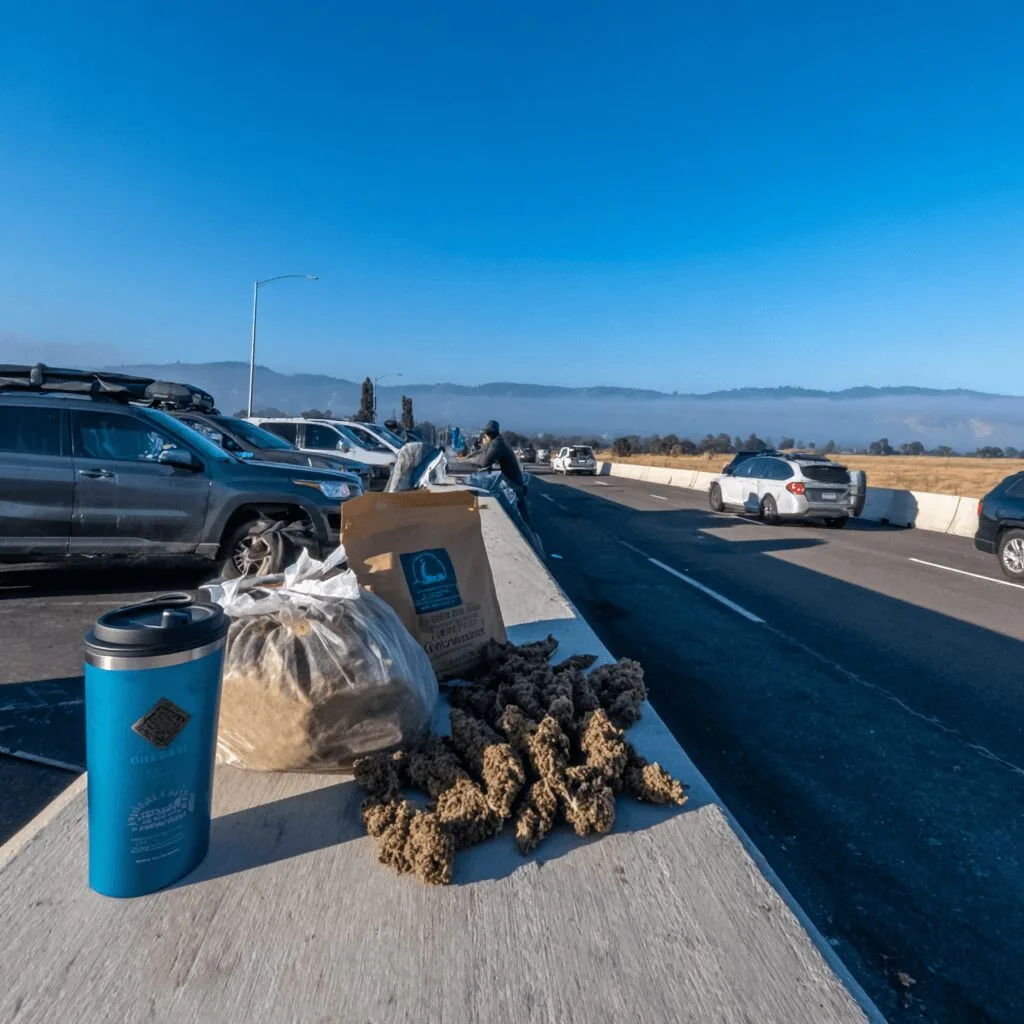
Interstate 5 Cannabis Trafficking: Inside the California Black Market
If you want to understand why interstate 5 cannabis trafficking is drawing so much attention, look no further than the shocking headlines and growing market disruptions. With legal weed booming and black market networks thriving, California’s iconic transport artery is now ground zero for the complex tug-of-war between regulators, entrepreneurial growers, and traffickers trying to hustle the system. This deep dive breaks down why these issues matter now, spotlights eye-opening cases, unpacks their broader meaning, and considers what it all means for the cannabis scene and public safety along the I-5 corridor.
Regulatory Pressures, Legal Complexity, and Market Realities
The evolution of California’s cannabis market is a masterclass in both progress and unintended consequences. When California legalized adult-use cannabis in 2016 with Proposition 64, it created vast legal opportunities and, ironically, a tidal wave of regulatory burdens. Those regulations, according to Law360, include overlapping state licenses, hefty local taxes, endless paperwork, and aggressive law enforcement along major highways. This environment reminds many stakeholders of similar regulatory pitfalls across the country, such as those recently seen in licensing efforts highlighted in new dispensary licensing developments. Unfortunately, this complexity hasn’t stopped the illicit trade, it’s just made it more creative. In a marketplace valued in the billions, interstate 5 cannabis trafficking emerged as a predictable, if illegal, path for excess product, partly fueled by densely packed Central Valley grows and logistical ease along I-5. Industry reports from the National Organization for the Reform of Marijuana Laws (NORML) repeatedly highlight how high local taxes and regulatory costs push even legitimate operators toward the shadows, and the highways.
Key Developments Fueling I-5 Cannabis Trafficking
In December 2025, a major bust along the Grapevine stretch of I-5 thrust interstate 5 cannabis trafficking into national headlines again. According to The Desert Sun, California Highway Patrol officers stopped a van packed with over 150 pounds of unlicensed flower, plus cash and packaging materials. This was just the latest in a series of high-profile seizures stretching from Kern County to Siskiyou, as authorities have doubled down on highway interdiction operations. When it comes to news of large seizures impacting both legal and illicit markets, the community is reminded of previous incidents like the high-profile truck arrest that stunned the industry. Recent law enforcement reports detail how traffickers use rental cars, decoy vehicles, and shifting drop points to avoid detection. Many seized batches contain potent indoor-grown buds clearly intended for out-of-state markets, circumventing both state taxes and safety testing.
The Los Angeles Times documented similar patterns, noting that as legal dispensaries struggle with taxation and compliance, the black market is growing bolder, especially using the I-5 as a lifeline for moving product both north toward Oregon and south toward Mexico or major SoCal cities. CalMatters, a policy watchdog, highlights the legal gray zones exploited by traffickers, such as insufficient tracking of agricultural bulk shipments and uneven cooperation between state and local enforcement. These enforcement disparities have far-reaching impacts, not unlike what has been recently reported about price fluctuations in Connecticut’s legal market.
Expert Analysis: What Does This Mean for the Weed Industry?
As someone who’s watched, and worked in, the green rush since the medical days, I can tell you interstate 5 cannabis trafficking is both a symptom and a warning. The black market persists not because people love breaking laws, but because regulations sometimes fail to match economic realities. Dispensary owners in Fresno, Bakersfield, and Redding all report to MJBizDaily that red tape and tax rates are so punishing, “it’s no wonder unlicensed growers and transporters turn to the interstate,” as one anonymous operator put it.
Industry leader Steve DeAngelo, writing for Leafly, echoed this, saying, “The current regulatory system incentivizes non-compliance and forces many honest growers underground. If we want safety, equity, and strong legal markets, lawmakers have to address the root causes.” The persistence of interstate 5 cannabis trafficking points to a deeper disconnect between the promise of legalization and the practical outcomes on California’s roads and farms. For communities confronting these market realities, the human cost can be profound, as also discussed in recent stories of cannabis patients navigating industry challenges. Experts also note that overzealous enforcement can risk racial profiling and civil liberties violations, prompting calls for smarter, harm-reduction-focused strategies.
Future Outlook: Reimagining Interstate 5 and California Cannabis
Despite these high-profile highway incidents, the future of California cannabis—and the fate of interstate 5 cannabis trafficking—remains bright for those betting on reform, innovation, and social acceptance. As lawmakers continue to fine-tune taxation and licensing, there’s hope that the legal market can outcompete the illegal one, channeling billions in new revenue for communities and reducing illicit incentives. According to a 2024 industry survey published by Statista, consumer demand for tested, regulated weed keeps climbing, and public support for sensible policy is at an all-time high. For industry insiders and everyday Californians, the best way forward is clear: smart regulation, honest dialogue, and a little patience as the state navigates the growing pains of America’s largest cannabis market.
Legal cannabis isn’t going anywhere—and with each mile along I-5, we’re all learning how to build a safer, smarter, and more sustainable industry, one hard lesson at a time.
Originally reported by: desertsun.com
1 Comment
Pingback: Tennessee new laws 2026: What Changes Are Coming?