






Arrested for Shipping Marijuana? What Happens Next
With the cannabis industry booming and laws shifting in real-time, stories about people getting arrested for shipping marijuana are popping up everywhere. Whether you’re a consumer, part of the green rush, or just curious about the law, this issue is front and center. Navigating strict regulations, patchy legalization, and constant federal-vs-state drama adds even more urgency. This guide unpacks what happens if you’re arrested for shipping marijuana—emphasizing legal realities, industry trends, expert advice, and the bigger picture unfolding as cannabis culture clashes with outdated laws.
Understanding Cannabis Shipping: Legal Landscape & Regulatory Context
The cannabis industry faces unique challenges due to the clashing patchwork of federal and state laws. While many states have legalized cannabis for medical or recreational use, federal law still classifies marijuana as a Schedule I controlled substance (NORML). Shipping marijuana across state lines—even between fully legal states—remains a federal offense. That means distribution via mail services like USPS, FedEx, or UPS can trigger serious charges, even if the buyer and seller are in legal markets. Social acceptance is rising, but federal raids and criminal prosecution still occur when cannabis crosses certain boundaries. This legal tightrope shows why so many find themselves suddenly arrested for shipping marijuana, sometimes unknowingly and sometimes due to gray areas in the law. Consumers, entrepreneurs, and advocates alike must stay informed, as enforcement priorities may change with shifts in presidential administrations, Department of Justice memos, and state-level policy reforms. The evolving landscape is also being closely watched by states such as Kentucky, which has been in the spotlight for medical cannabis initiatives—see the latest news from Jessamine County. Trusted sources like the Cannabis Business Times and Leafly News consistently remind industry players to monitor local and federal updates.
The Latest Headlines: Arrested for Shipping Marijuana in Lincoln, NE
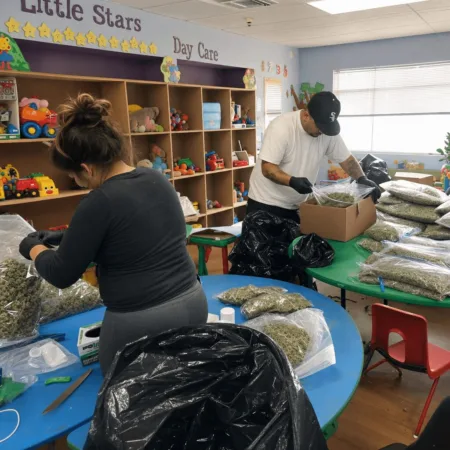
The news recently hit the spotlight when a Lincoln, Nebraska man was arrested for shipping marijuana to his home, amidst a police investigation linked to mailed narcotics. According to 1011 Now (Dec 15, 2025), local law enforcement tracked suspicious postal activity before conducting the operation. Upon entering his residence, officers discovered open shipping boxes filled with cannabis—large buds and packaged greenery clearly meant for distribution. Authorities noted both marijuana and methamphetamine were present, but the marijuana shipment and its smuggling through federal mail piqued the greatest legal concern. This event brings to mind other high-profile enforcement actions, such as a recent marijuana seizure at BNA airport that raised tough questions about how cannabis laws are enforced across state and federal jurisdictions. Evidence collected included shipping labels, plastic bags, and digital devices, reflecting contemporary smuggling tactics. Arrest paperwork referenced federal law, with the possibility of both local and federal prosecution. Local police emphasized the joint investigation with federal agencies, reflecting the ongoing crackdown against cross-state cannabis commerce hosted on the nation’s postal routes.
Expert Insights: Lessons, Industry Impacts & Right Moves
The story isn’t just about one arrest—it illustrates a common risk as legalization outpaces federal reform. When someone is arrested for shipping marijuana, it often signals confusion between what’s legal in Colorado or California and what’s illegal when shipping to, say, Nebraska. Industry experts have long warned about this regulatory mismatch. As Marijuana Moment quoted attorney Allison Margolin: “Even well-meaning entrepreneurs get caught because state-level progress doesn’t override federal shipping laws. Understanding this patchwork is crucial.” Beyond legalities, the case highlights technological detection—from tracking suspicious parcels to leveraging data analytics. This is not unlike the evolving role of workforce development and education in cannabis, with industry studies showing that comprehensive career programs offer new ways for individuals to engage safely in the market. At the same time, Leafly points out, most packaging and distribution busts occur when individuals aren’t aware of interstate risks. The lesson: even with evolving norms, old laws still bite. Stakeholders—growers, delivery services, and consumers—must tread carefully, advocating for sensible reform while shielding operations from accidental criminality. As one expert put it, “The clash between fast-moving market demand and slow-moving law creates collateral damage, but data and advocacy together can tip the scales toward smarter policy.”
Next Steps: Hope for Reform, Safer Industry, and Evolving Laws
Despite setbacks and news about people arrested for shipping marijuana, the industry’s future looks bright. Legal challenges and enforcement crackdowns are reminders of the urgent need for nationwide clarity. According to Marijuana Policy Project, lawmakers continue to push for federal decriminalization and reforms that would eliminate most shipping-related prosecutions in legal states. As public health data disproves cannabis alarmism and economic studies reveal benefits of legalization, broad social acceptance grows stronger. Advocates envision a future where consumers and companies alike are protected against obsolete criminal penalties. The next wave of reform should empower safe, regulated supply chains—and help those formerly arrested for shipping marijuana rebuild, contribute, and thrive.
Originally reported by: 1011now.com


1 Comment
Pingback: Marijuana Schedule III Research: Breakthroughs & New Possibilities