N.J. hemp farmers struggle: Inside the future of farming
If you’re at all tuned in to the cannabis scene, the phrase “N.J. hemp farmers struggle” probably rings more urgent lately. With shifting markets, regulatory headaches, and big questions about the future of legal cannabis in the Garden State, the pressure is on. This isn’t just about plants or profit—it’s about legacy, culture, and survival for local farms. We’ll break down why this struggle is hitting now, how the rules got so tangled, and why hope isn’t lost even as the going gets rough.
Background: Why Are N.J. Hemp Farmers Struggling?
New Jersey’s foray into hemp exploded after the 2018 Farm Bill federally legalized industrial hemp (USDA). Farmers saw hemp as a shot at reinvention, especially with traditional crops losing ground. The state’s Department of Agriculture set high hopes, issuing licenses to eager growers by 2020. But federal legality didn’t mean smooth sailing. Jurisdictional confusion, strict THC testing, and unstable demand left N.J. hemp farmers stuck in regulatory quicksand. Add New Jersey’s notoriously high property taxes and the lack of strong processing infrastructure, and it’s pretty clear this wasn’t destined to be a walk in the park. According to Marijuana Moment, growers here fumbled to navigate federal and state patchworks while facing stigma left over from decades of cannabis prohibition. This combination of legal changes and stigma echoes what has been seen in other regions, such as when debates over marijuana legalization in Ohio sparked heated conversations about the future of cannabis regulation. It’s a perfect storm of promise and headaches, with N.J. hemp farmers struggling to find their footing against a fast-changing industry backdrop.
Key Developments & Ongoing Issues Facing Hemp Farmers
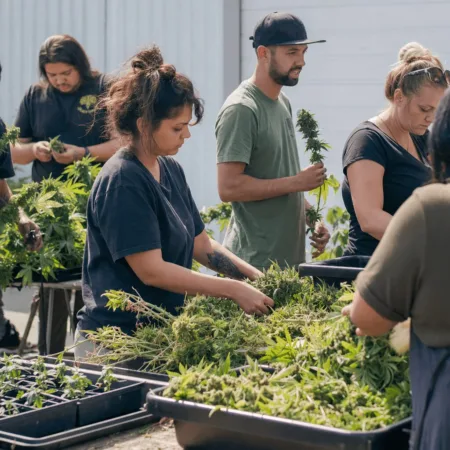
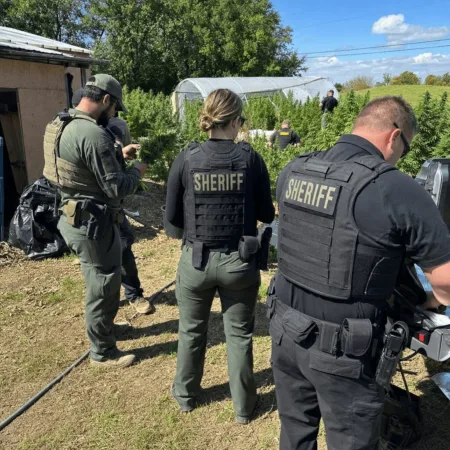
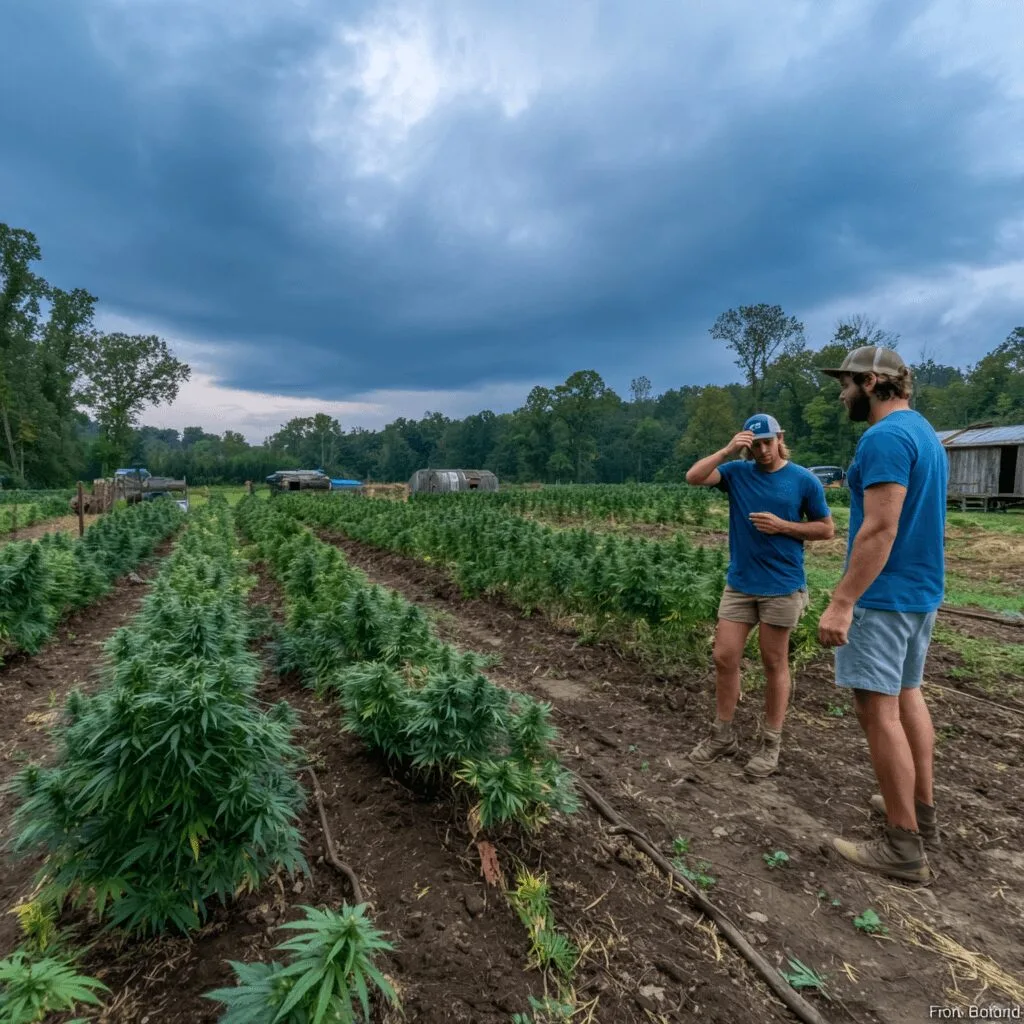
The original report by NJ.com dives head-first into the daily grind, and heartbreak, of local growers. Farmers like Paul Mahoney and the team at Mahoney Farms invested big in 2019, banking on an exploding CBD and fiber market. By 2021, prices for raw hemp collapsed over 80%, according to Hemp Benchmarks. At the same time, state officials enforced strict 0.3% THC limits, leading to whole fields destroyed due to slightly “hot” crops. Many were barely breaking even before the 2022 crypto market crash tanked demand for CBD investments, as covered by Marijuana Business Daily. Local processing bottlenecks and the absence of reliable local buyers created challenges similar to recent legal issues and shifting THC sales regulations experienced in other markets. In late 2024, New Jersey lawmakers finally started to revisit outdated testing rules, too late for many already burned by the hype-reality gap.
Expert Analysis & Real-World Insights: N.J. Hemp Farmers Struggle
The experience of N.J. hemp farmers struggling shines a light on the wild ride this industry’s on. Bluntly, jumping into hemp wasn’t a get-rich-quick scheme, but that wasn’t always clear. As Leafly points out, many underestimated the learning curve. New Jersey’s regulatory patchwork and slow adoption of new standards made things tougher. According to cannabis policy analyst Heather Darcy, “Even well-positioned farmers got tripped up by shifting state-federal guidance and buyers who ghosted.” (Leafly) Yet there’s resilience and resourcefulness on display, as farmers are experimenting with rotating hemp with winter grains, lobbying for better state support, and forming local co-ops. Much like the innovation seen in Kentucky’s medical cannabis dispensary game-changing efforts, each crop cycle brings more data, sharper business skills, and louder calls for fair testing and real market pathways. Overall, the fact that the N.J. hemp farmers struggle is so intense shows how high the stakes are, not just in dollars, but in shaping the future of U.S. cannabis agriculture.
The Road Ahead: Hope, Change, and the Next Chapter
Despite the rough patches, N.J. hemp farmers refuse to fade quietly. As the industry matures, lawmakers are getting the message—rules must change for cultivation to truly thrive. Social stigma is on the decline, especially with ongoing legalization efforts for both adult-use and medicinal cannabis, as documented by NORML. The lessons learned here will shape smarter, fairer regulations—something New Jersey could champion nationwide. So yes, the N.J. hemp farmers struggle is real, but hope is resilient. Expect more cooperative models, investments in local processing, and new research to unlock hemp’s true economic and environmental potential in the Garden State. The green future is still wide open—and this community isn’t giving up without a fight.
Originally reported by: nj.com