Pharmacists Opioid Disorder Treatment: New Law Changes Everything
If you’re tuned into both the cannabis industry and progressive healthcare, you know plenty’s shifting. Right now, pharmacists opioid disorder treatment has hit all-time headline status. A pivotal new law means pharmacists, already key frontline players, are suddenly stepping up in opioid disorder care. With policy trends and real-world solutions sparking hope in every independent pharmacy, this development shakes up the old playbook. I’m here to break it down for you: why it matters, what’s driving it, and what it means for cannabis advocates and patients alike. Let’s explore where science, legislation, and real-life compassion meet.
Changing Regulations: A New Era for Pharmacists and Opioid Treatment
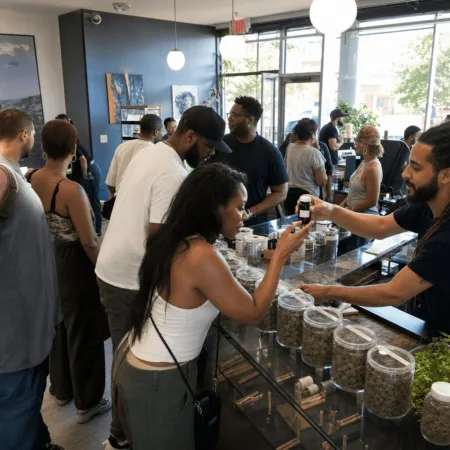
It’s wild, but regulators finally see that game-changing healthcare doesn’t have to be locked behind impossible barriers. For years, pharmacists opioid disorder treatment sounded like sci-fi, now, it’s real. In the past, access to medications like buprenorphine was a bureaucratic nightmare. Only specialized clinics or doctors could prescribe essential opioid-use-disorder therapies, leaving many communities, especially rural or underserved spots, struggling (Harm Reduction Journal). Legislative changes over the last decade, including legalization waves and the opioid crisis reaching mainstream politics, forced officials to rethink priorities. The pandemic put even more pressure on the system, with telehealth surging, old stigmas starting to fade, and, as a result, pharmacies evolved into healthcare hubs. Recent state and local cannabis regulatory shifts, as seen when new recreational marijuana stores open, highlight the transformation of community access points and how pharmacy counters have become crucial spaces for change, community, and hope. The U.S. Congress and state regulators are now pushing pharmacists to play a front-line role in addiction care—this isn’t just about expanding services; it’s about fixing long-standing health equity gaps highlighted by federal studies and major medical journals (see JAMA for their take on policy impact).
Key Developments: New Laws, Buprenorphine, and What’s At Stake
The headline: In December 2025, a watershed federal law unlocked the ability for pharmacists to prescribe buprenorphine, the gold-standard medication for opioid use disorder, in all 50 states. According to Addiction Center, this historic move comes after years of advocacy and research showing pharmacy-based treatment works. Overnight, pharmacists opioid disorder treatment became possible literally where people shop: community pharmacies in the suburbs, inner-city independents, and big box retailers. This law is more than paperwork, as now pharmacists can conduct assessments, provide initial therapy, and support ongoing recovery journeys.
- Date Enacted: December 2025
- Scope: Nationwide, removes previous restrictions on pharmacist prescribing power.
- Main Drug: Buprenorphine, a proven treatment cited by the Substance Abuse and Mental Health Services Administration (SAMHSA).
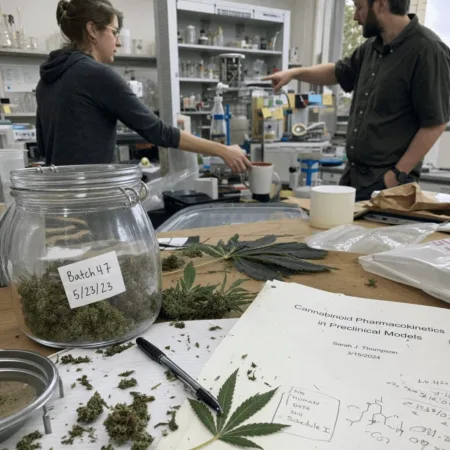
Pharmacy organizations are rolling out staff education and safety protocols. Early market data from Drug Topics shows a spike in patient interest and community pharmacy collaborations. Meanwhile, some practical challenges loom, like documentation requirements, insurance billing, and stigma. Recent developments in medical marijuana study results further paint a picture of how substantial regulatory shifts can quickly change public perception and direct access to new treatments. But bottom line: those who need help most are finally getting face-to-face care from the folks they already trust with everything from blood pressure checks to cannabis consults.
Expert Insights: What This Shift Means for Cannabis and Recovery
This isn’t just about one more prescription. The expansion of pharmacists opioid disorder treatment marks a shift in how we view addiction and holistic care, changing policy from punishment toward support, education, and wellness. Cannabis advocates see strong connections: increased pharmacy autonomy is a massive win for de-stigmatizing plant-based therapies and integrating harm reduction tools. As more states address voter-driven marijuana legislation, similar momentum for integrated care models becomes more likely. According to Marijuana Moment, this new flexibility makes it easier for pharmacists to blend cannabis guidance with opioid recovery strategies—a more realistic, human-centric approach. Dr. Angela Lee, a pharmacist specializing in addiction and integrative medicine, shared with Filter Magazine, “Pharmacists are uniquely positioned as healthcare’s most accessible professionals. This law validates our ability to help patients through judgment-free education and evidence-based treatments, including alternative therapies.” You can feel the vibe shift—patients want trusted advice, not stigma; real options, not last-ditch fixes. And for those balancing opioid recovery and pain management, cannabis is now part of a full-spectrum wellness toolkit. That’s not just smart, it’s humane, especially when big agencies like the CDC openly call for more recovery innovation.
Looking Forward: Cannabis, Compassion, and Better Access
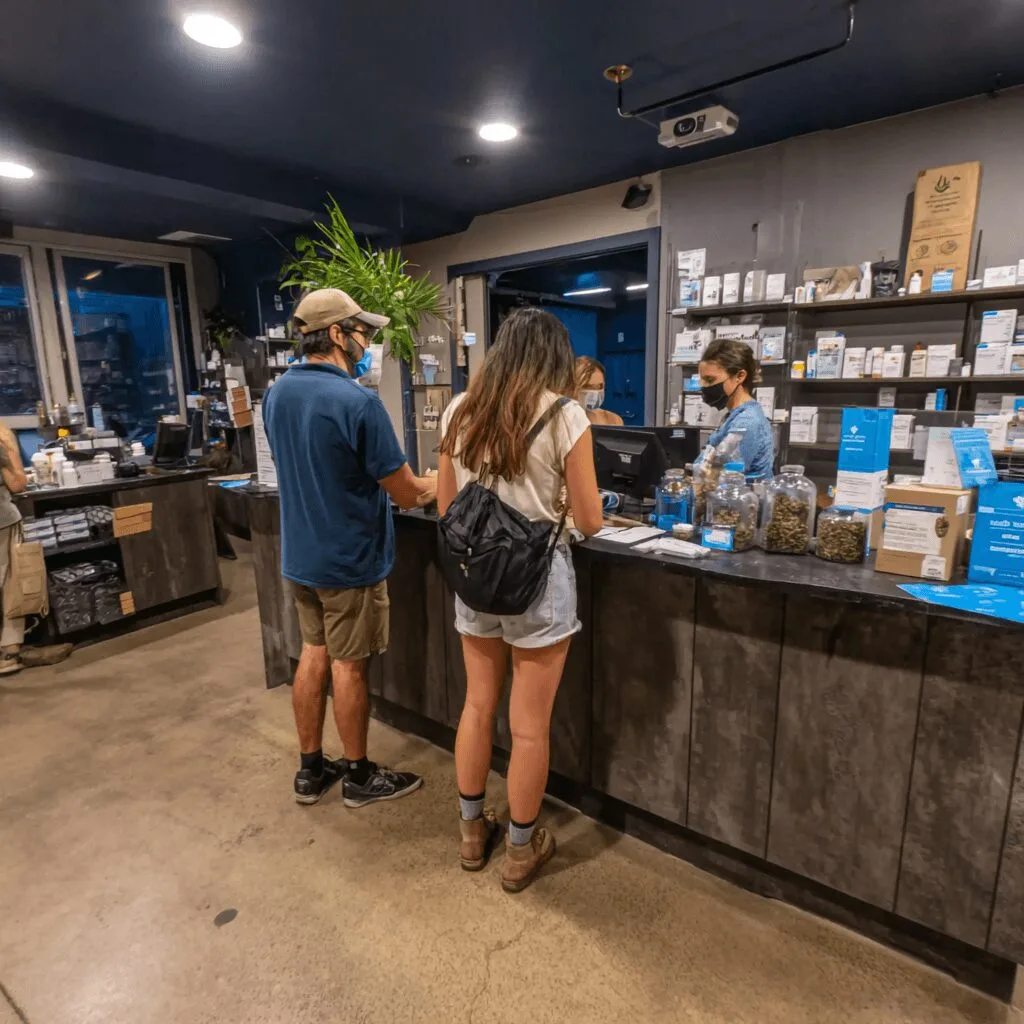
Standing here in a dispensary-meets-pharmacy era, the doors to pharmacists opioid disorder treatment keep getting pushed wider. We’re seeing more pharmacists trained in recovery—and cannabis education—as regulatory walls fall. This will mean safer, faster, more personalized care. According to Benzinga, mainstream medical acceptance of cannabis means it’s only a matter of time before plant-based options become an official part of mainstream opioid disorder regimens. As pharmacy teams join forces with cannabis advocates, social trust, and science-backed compassion, expect less shame and more results—people getting well, staying well, and living free from both pain and prejudice. That’s the future this new law calls us to build. Let’s keep it rolling: more access, more justice, and a spark of hope in every prescription bottle and cannabis jar on those shiny pharmacy shelves.
Originally reported by: addictioncenter.com