


Semisynthetic Cannabinoids Detection: What’s in Your Cannabis?
The world of cannabis is evolving at breakneck speed, and new compounds are popping up faster than you can roll a joint. Enter semisynthetic cannabinoids detection—an incredibly important topic right now. With an explosion of novel cannabinoids making their way into markets, serious buzz surrounds how these substances are identified, regulated, and kept out of products that aren’t properly labeled. Whether you’re a consumer, patient, or part of the industry, understanding semisynthetic cannabinoids detection is absolutely crucial for staying safe and compliant. In this article, we’ll break down what’s really going on behind the scenes, explore the latest science, and give you the inside scoop on how regulators, scientists, and advocates are shaping the conversation around your green.
Why Semisynthetic Cannabinoids Detection Matters: Regulatory, Social, and Market Forces
Cannabis is no longer confined to the legacy market or medical-only dispensaries, instead, it’s booming globally. Key players like the FDA and DEA have started to scrutinize not just THC and CBD, but also the flood of new semisynthetic cannabinoids (think delta-8-THC, HHC, and others). Most of these compounds are created by tweaking naturally-occurring cannabinoids using chemical processes. Often, this happens without clear rules or universal standards for quality control. According to Leafly industry reports, states are scrambling to update laws as well. Socially, there’s a massive demand for transparency and safety—nobody wants mystery molecules in their stash. But the challenge? Consumers have no simple way to tell if their weed contains semisynthetics, and regulators are racing to keep up. In light of these concerns, regulatory actions like the push for stronger THC child safety laws in various states underscore the urgent need for effective detection solutions. That’s why semisynthetic cannabinoids detection has become such a crucial and high-priority issue for everyone from chemists to casual tokers.
The Latest News: Lab Breakthroughs, Hidden Risks, and Policy Shifts
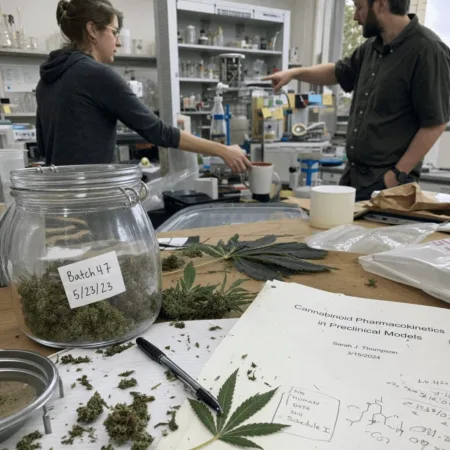
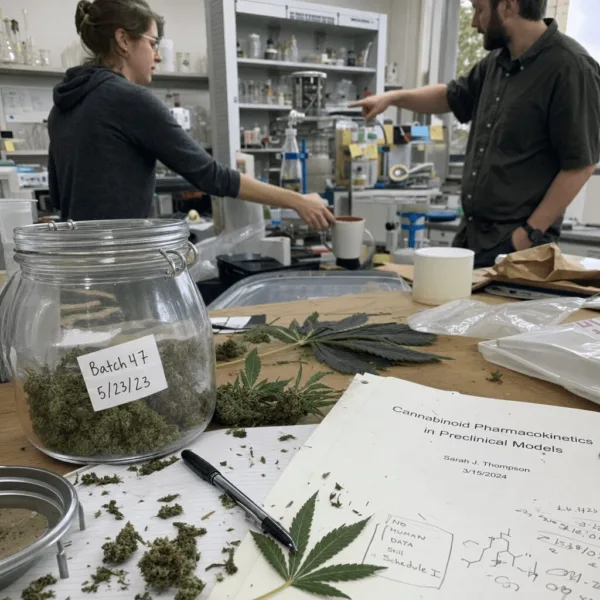
According to research recently published in Drug Testing and Analysis, top analytical chemists have developed new detection methods capable of distinguishing between natural and semisynthetic cannabinoids. This is no small feat, previously, standard tests on cannabis flower and extracts often couldn’t tell the difference. The research team, led by Dr. Katarzyna Adamowicz in Poland, utilized advanced liquid chromatography techniques starting in 2023. Their breakthroughs are being rapidly shared with regulators and industry stakeholders worldwide. What’s the big issue? Many cannabis products, especially those sold online or in regions with looser oversight, are testing positive for undisclosed delta-8-THC or HHC. These can be made from hemp-derived CBD, raising unique legal questions—especially in the U.S., where the 2018 Farm Bill left significant loopholes. As NORML and other watchdogs have reported, several U.S. states (including Illinois and New York) have enacted emergency bans or new requirements for semisynthetic cannabinoids detection in retail and wholesale testing. For instance, local policy changes have sparked conversations similar to the Omaha CBD THC restrictions that are helping shape the market discussion among stores and officials, demonstrating the ripple effects of detection breakthroughs. Retailers and growers are being pushed to up their game, but many smaller operations lack the tech and expertise to keep pace. The stakes are high: improper labeling, unexpected health risks, and sudden legal trouble are genuine concerns right now.
Analysis: What Science, Regulators, and Advocates Say about Semisynthetic Cannabinoids Detection
From a scientific angle, the ability to pinpoint semisynthetic cannabinoids in cannabis products is a complete game-changer. Not only does it mean enhanced consumer safety, it also allows responsible brands to stand out. According to Dr. Ethan Russo, a prominent neurologist and cannabis researcher, “The challenge isn’t in finding these compounds—it’s in encouraging transparency and an even playing field” (Project CBD). Industry insiders understand that robust semisynthetic cannabinoids detection protects both customers and the overall reputation of legal cannabis. On the regulatory side, tightening up testing standards is necessary for compliance and market stability. However, there are significant practical hurdles: labs need to update protocols, improve training, and sometimes invest in expensive equipment. Meanwhile, advocates argue that true harm reduction comes from clear laws, informed science, and making detection technologies broadly accessible—not only to large operators. These evolving regulatory landscapes, such as the ongoing efforts to reform marijuana laws in Ohio, highlight the intersection of science, policy, and public demand for safety. As the MJBizDaily analysis notes, “When regulation lags behind innovation, consumers end up exposed to unknown risks.”
What’s Next? Optimism for Safe, Transparent Cannabis Markets
Despite all the turmoil, the future looks bright. The cannabis community has proven time and again that it can adapt, self-regulate, and advocate for smart reforms. With proven methods for semisynthetic cannabinoids detection entering commercial labs, expect a much higher degree of transparency and safety for everyone. Legalization efforts continue to ramp up worldwide, and most governments are realizing that solid rules—not fear-mongering—make for healthier, more trustworthy markets. According to Cannabis Business Times, global demand for well-tested, accurately labeled cannabis is only going to grow. As science and advocacy unite, consumers can look forward to cleaner products, fairer access, and a real sense of confidence in what’s in the jar. Roll on, progress!
Originally reported by: onlinelibrary.wiley.com