





THC kratom store closures: What Tallahassee shoppers must know
Right now, the conversation around THC kratom store closures is heating up in Tallahassee and beyond. Recent moves by regulators, fueled by public safety debates and policy shifts, are sending ripples through the local scene. If you shop for kratom or cannabis products in Florida, things are about to look different. These closures impact not just businesses, but also countless consumers who rely on these products for wellness and recreation. In this guide, we’ll lay out the big reasons behind THC kratom store closures, what exactly is happening on the ground, and how the cannabis community is responding.
Background: How Legal Shifts Triggered THC Kratom Store Closures
To understand the current wave of THC kratom store closures, you have to look at the fast-evolving regulatory climate. Across the United States, cannabis legalization is a patchwork, and each state treats cannabinoids, hemp-derived products, and kratom differently. Florida’s cannabis laws remain strict for THC, while some hemp-derived and kratom products have thrived in a semi-legal gray zone. Lately, lawmakers have ramped up scrutiny on unregulated shops and loosely defined products. Pressure from law enforcement and public health officials has led to stepped-up enforcement. The shifting tide also reflects recent trends in other states, for example, Illinois and California have taken firm approaches to synthetic cannabinoids and kratom, sparking industry-wide adjustments. This broader legal shakeup has made Tallahassee a current flashpoint in the debate, as regulatory changes echo legislative amendments seen elsewhere—such as those discussed in the ongoing Arkansas marijuana debates.
Key Developments: The Latest on THC Kratom Store Closures in Tallahassee
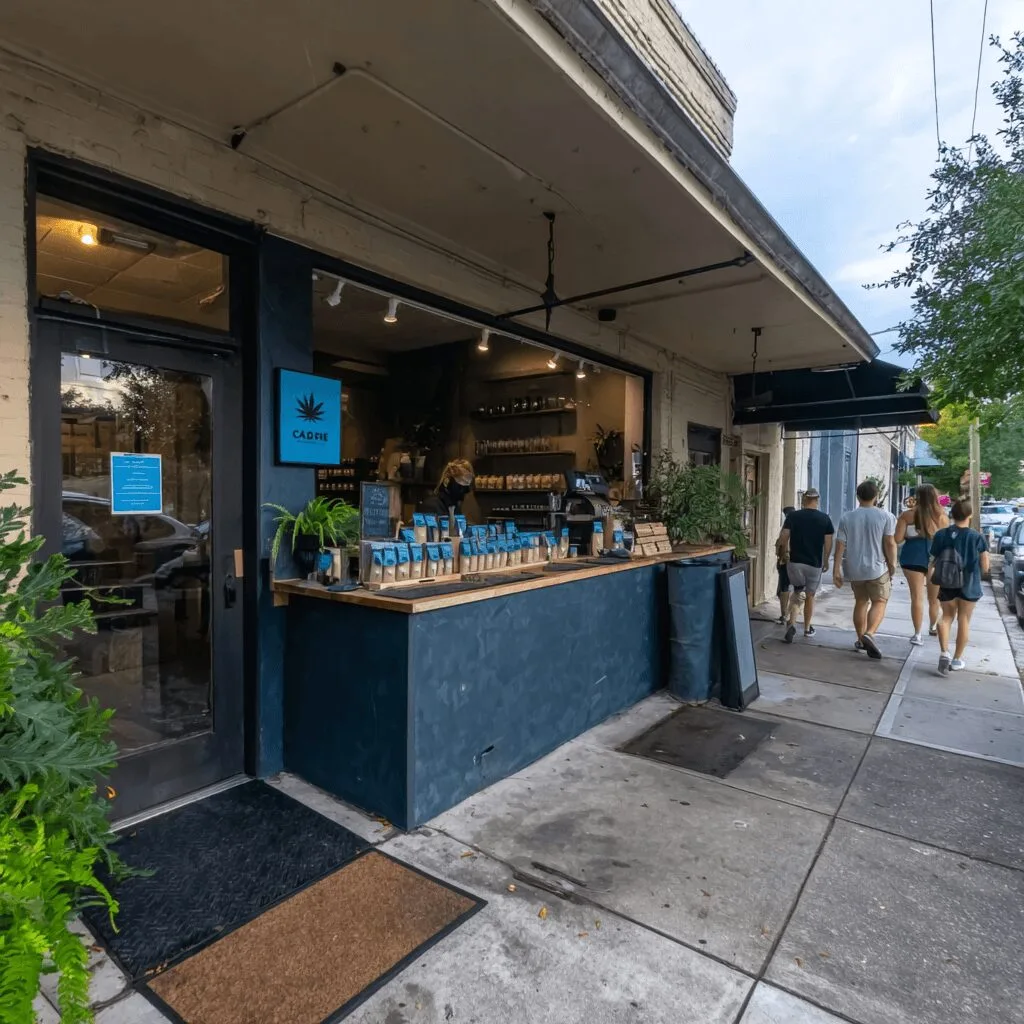
Let’s get into what happened. According to a detailed Tallahassee Democrat report, Tallulah, one of Tallahassee’s well-known cannabis and kratom specialty shops, just announced its closure. The move comes in direct response to a local regulatory crackdown that ramped up in December 2025. New guidance from city officials and enforcement warnings led Tallulah to cease operations, citing potential legal risks and a shifting market environment. The store, recognized for its variety of federally legal THC and kratom products, now faces an uncertain path. This is not an isolated incident; according to Leafly’s Florida Industry Updates, more stores across the state could soon face similar shutdowns as officials revisit the guidelines on hemp-derived THC and kratom sales. In the aftermath of recent events, some parallels can be drawn with regulatory actions in other regions—such as the notable marijuana seizure on I-40 which led to intensified scrutiny. Many local employees and loyal shoppers now find themselves searching for alternatives, while legal advisors urge all retailers to reevaluate compliance protocols to weather this storm of THC kratom store closures.
Expert Analysis and Real Cannabis Community Perspective
The escalation in THC kratom store closures has deep roots, and even deeper implications. Industry veterans point out that these clampdowns can actually shrink the safe, regulated marketplace, potentially pushing some consumers toward less secure, unregulated sources. ‘When access points disappear overnight, everyone loses: patients, responsible entrepreneurs, and even regulators seeking transparency,’ says Dale Gieringer of California NORML. Industry analysts also warn that the rapid tightening of restrictions rarely solves public health concerns, instead, it signals the urgent need for clear, comprehensive regulation. According to MJBizDaily, many stores and producers have already adopted best practices seen in legal medical and adult-use states—demonstrating their readiness to comply, so long as lawmakers provide a workable pathway. Recent federal discussions, such as the debate on cannabis rescheduling policies, further illustrate how policy changes at higher levels can impact local enforcement and business stability. The cannabis community broadly agrees: empathy, education, and dialogue must replace panic-driven enforcement, ensuring any future rules don’t punish safe, responsible businesses or patients who depend on these products.
The Road Ahead: How the Industry and Community Are Evolving
While the current rash of THC kratom store closures is a tough blow, it’s far from the end of the road. As industry observers note, the cannabis space has always been resilient, adapting quickly to legal and cultural headwinds. In Tallahassee and across Florida, advocates and responsible retailers are pushing for smarter, more nuanced regulations — ones that protect public health without cutting off access or stifling innovation. We’re in the middle of a historic regulatory evolution, and though there will be bumps along the way, the bigger trend remains positive: broader legalization, growing community acceptance, and a rising tide of professionalism. If you’re affected by these closures, stay connected with local advocacy groups, stay informed, and be ready to support the next generation of responsible cannabis business. The endgame? A marketplace that respects both safety and freedom, reflecting how far the movement for sensible cannabis policy has come.
Originally reported by: tallahassee.com

1 Comment
Pingback: Massachusetts marijuana repeal: The movement shaking legalization