





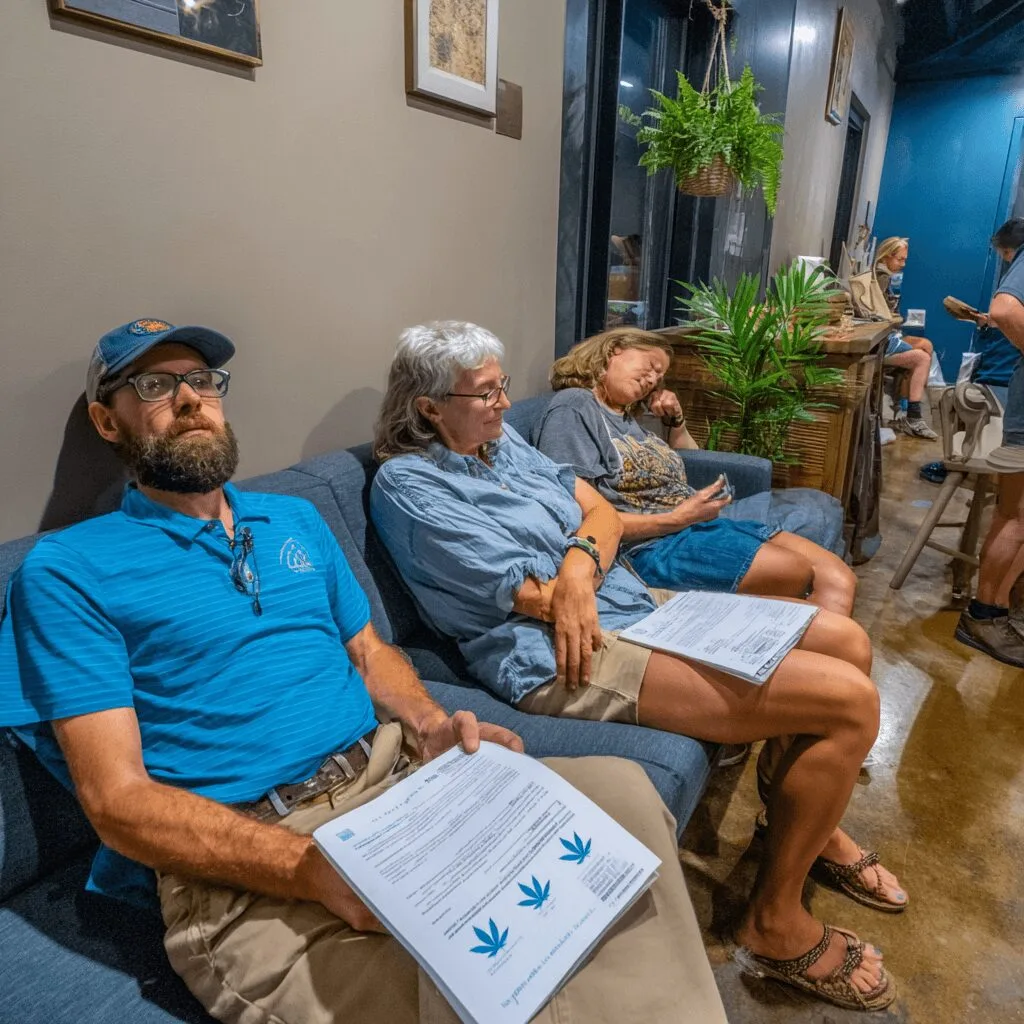
Alabama medical marijuana licenses: Get the latest on approvals
Alabama medical marijuana licenses are hotter than ever right now, thanks to a wave of recent regulatory decisions and a green light for more dispensaries in the state. With health trends, business interests, and legal updates converging, locals and industry players are hustling to keep up. This isn’t just a business story—it’s about access, progress, and the next phase for Alabama’s cannabis community. In this article, we’ll break down fresh license approvals, offer expert perspective on what it all means, and explain how these changes might shape Alabama’s cannabis landscape for years to come.
Regulatory Origins: Alabama’s Path to Medical Marijuana
Cannabis hasn’t always had an easy road in the Deep South, but Alabama’s evolving stance underscores major national trends. For context, the Alabama Medical Cannabis Commission (AMCC) was formed in 2021 after lawmakers passed the Darren Wesley ‘Ato’ Hall Compassion Act (SB46). This law enabled doctors to recommend medical marijuana for conditions like chronic pain, cancer symptoms, and PTSD, joining states such as Florida and Arkansas in expanding access. In fact, recent polls show over 70% of Alabamians support legalizing medical cannabis and reflect a surge in changing social attitudes across the region—much like the political shift in Ohio marijuana legalization that took many by surprise. While regulations remain strict (no smokable cannabis, tight dosing rules, and background checks), these licensing moves are a game-changer for patients eager for alternatives and for entrepreneurs eyeing big opportunities (Marijuana Moment reports).
Big Moves: Who Got Their Alabama Medical Marijuana Licenses?
On December 11, 2025, the Alabama Medical Cannabis Commission voted to approve three new dispensary licenses, narrowing down a long list of eager applicants. The awarded companies, Green Valley Medical, Heartland Therapeutics, and Dixie Organics, were approved after extensive background checks and facility reviews (WSFA News). Each provider has strict guidelines to follow, including testing protocols, secure product storage, and strict compliance with dosing restrictions. Some companies that were previously denied licenses are appealing or planning to reapply, citing confusion over scoring criteria and application transparency, as reported by AL.com. These developments have caught the attention of patient advocates and legislators—mirroring the heightened scrutiny seen in other states during policy changes, such as the recent national discussions about cannabis rescheduling. The commission promised future review periods to expand access while keeping patient safety front and center.
Expert Analysis: Why Alabama’s Licensing Shake-Up Matters
Alabama medical marijuana licenses aren’t just slips of paper, they reflect years of advocacy, legal reform, and economic potential. As industry insider Jessica H. from the Cannabis Business Times put it, “Alabama’s deliberate, public approach to licensing signals serious intent and long-term industry growth potential. When states get the details right, patient care, product safety, and business opportunities all thrive.” This measured rollout, experts say, could make Alabama a model for other conservative states on balancing regulation and patient access. However, some observers caution about bottlenecks and possible under-serving of patients when only a limited number of Alabama medical marijuana licenses are granted, a challenge not unlike the tracking and regulatory demands faced by dispensaries in other states, where cannabis tracking systems have become mandatory. Across the South, more states are seeing similar surges in applications and patient interest, proving this movement is too big to ignore.
Looking Forward: Growth, Hope, and New Opportunities
Despite some hurdles, Alabama medical marijuana licenses represent a hopeful chapter for the state’s cannabis community. While skeptics see potential for slow rollouts or limited patient options, the overall momentum is undeniable. More states are accepting cannabis as medicine—a sign of shifting values and growing trust in the industry. As seen with Alabama’s new dispensary approvals, careful oversight can ensure progress without sacrificing patient or public safety. Regulatory improvements and growing social acceptance suggest the market will expand, with higher access for people in need and wider opportunities for honest business. According to Marijuana Policy Project, continued education and advocacy can only help Alabama’s medical marijuana landscape flourish in the coming years. Stay tuned—the story is far from over.
Originally reported by: wsfa.com

1 Comment
Pingback: Arkansas Legislature marijuana amendments: What you must know