


Lusaka CBD regeneration: Is Urban Decay Reversible?
Lately, there’s been a lot of buzz about Lusaka’s central business district (CBD) hitting a rough patch. Urban decay has left deep marks—empty storefronts, rundown corners, and fading vibrance. As stakeholders debate the best path forward, Lusaka CBD regeneration stands at the heart of citywide conversations about renewal and progressive change. This topic matters because it’s not just about fixing broken sidewalks, but reimagining a sustainable, inclusive, and lively city at a turning point.
Understanding the Roots: Regulatory, Social & Market Forces
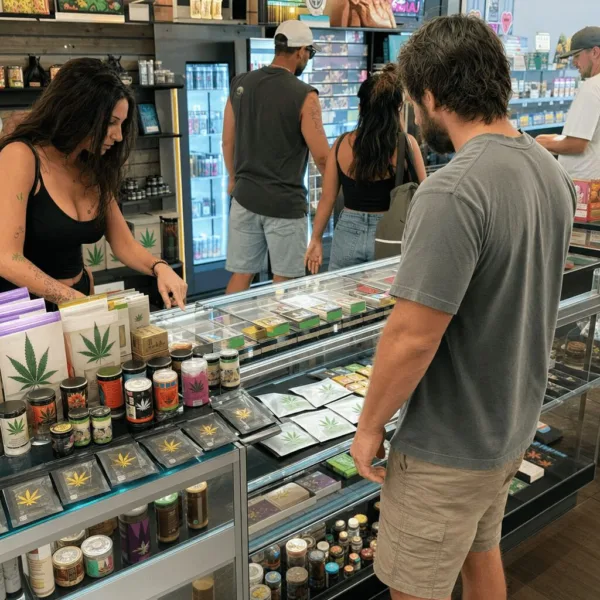
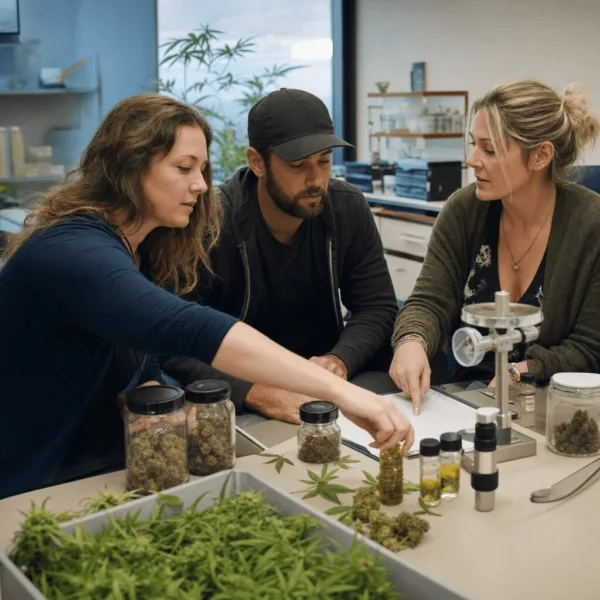
Lusaka’s CBD didn’t fall into disrepair overnight. Weak urban planning, population growth, limited infrastructure investment, and historical policies all play their part. According to African Development Bank reports, the city’s rapid expansion has outpaced municipal planning, leading to congestion, crime, and service gaps. Add in outdated zoning laws and insufficient investment, and you get a breeding ground for informality, and sometimes, negativity around cannabis and other grassroots ventures. For those interested in how regulatory change creates new opportunities, you can see how cannabis education programs are transforming careers in similar environments. The cannabis industry in Lusaka, too, operates in a shifting legal climate. Recent amendments to Zambian law, including the Partial Legalization Bill of 2021, have opened the door for industrial hemp and medical cannabis cultivation (Reuters). This market shift has encouraged fresh entrepreneurial spirit, even as social stigma and regulatory bottlenecks continue to challenge both traditional businesses and emerging cannabis advocates across Lusaka.
The Tipping Point: Key Developments & Decay in the Heart of Lusaka
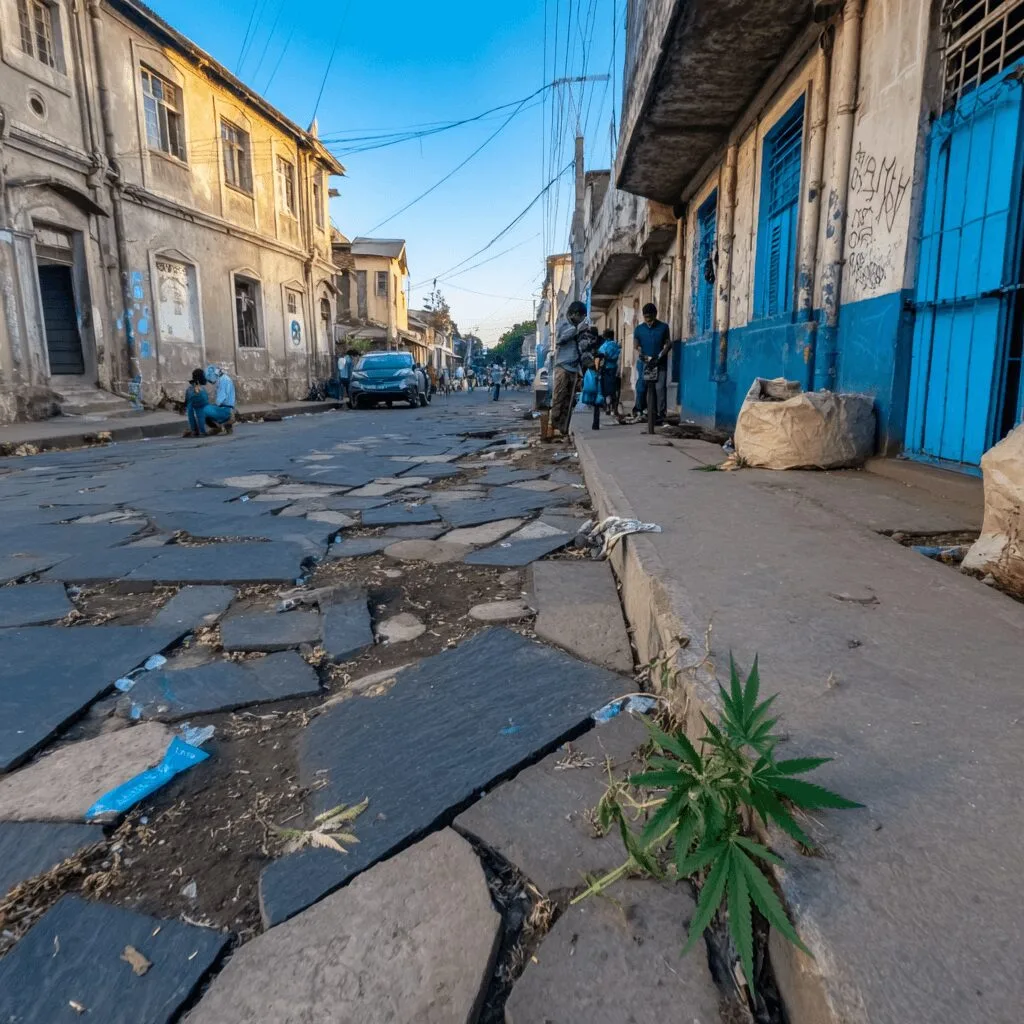
A recent, widely shared post by Emmanuel Mwamba (original post) paints a sobering picture. He describes Lusaka CBD’s decline as a crisis marked by abandoned buildings, rising petty crime, and an exodus of legitimate businesses. Local firms, including legacy shops and micro-entrepreneurs, struggle to compete with unregulated street vendors. According to Lusaka Times, city officials have recently warned about the “growing concern” over illegal vending within the CBD. The urgency for Lusaka CBD regeneration and city renewal is highlighted as infrastructure fixes remain delayed, with cracked pavement and broken lights unrepaired. Many property owners default on taxes or neglect security, only accelerating the downward spiral. While medical cannabis pilot projects have springboarded new investments on Lusaka’s edge, these revitalization efforts have yet to reach the aging heart of downtown, where daily life for residents and workers is visibly tough. 2023 saw the launch of Lusaka’s Integrated Urban Development Master Plan, but real change has moved at a snail’s pace.
Expert Insights: Why Lusaka CBD Regeneration Must Include Green Thinking
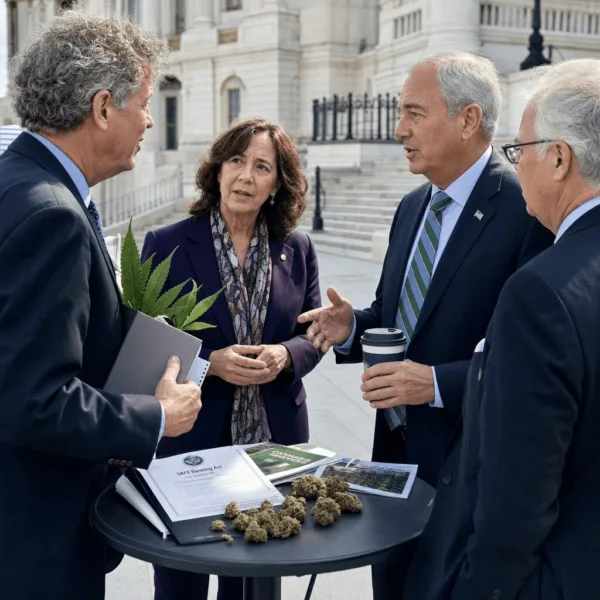
Digging deeper, industry experts stress that renewal must blend infrastructure, enforcement, and open-minded social policy. Urban academics, such as those featured in Urban Land Magazine, highlight that African cities like Lusaka can’t just sweep away informality, they need to harness it for innovation and equity. A local cannabis consultant notes, “If Lusaka CBD regeneration ignores the entrepreneurial energy of its youth, including regulated cannabis, then the plan is half-baked,” referencing experiences from cities such as Johannesburg and Accra. Industry sources like MJBizDaily confirm that Zambia’s hemp ventures have brought new capital and skills to marginalized communities, linking urban renewal to economic inclusion. Honest collaboration between city planners, civil society, and advocates ensures regeneration isn’t just about policing out the problems, but nurturing sustainable alternatives. If you want to explore how legalization struggles and regulatory hurdles impact urban economies, you can consider the legal tug-of-war between federal and state marijuana policies. Cannabis, with its potential for job creation and sustainable land use, could become a meaningful part of the solution, if given a fair shake.
Looking Ahead: A Future Where Lusaka CBD Regeneration Goes Greener
The challenges facing Lusaka’s CBD are no joke—but neither is the drive for change. As regulatory frameworks around cannabis modernize, and city leaders finally act on calls for inclusive urban planning, there’s real hope on the horizon. According to Brookings Institution, embracing diverse economies, including regulated cannabis ventures, is key for African cities’ resilience. If Lusaka CBD regeneration centers on human dignity, green jobs, and open-minded governance, the city’s raw energy could fuel Uganda-style urban renewal. It’s a journey—and every block counts.
Originally reported by: facebook.com
1 Comment
Pingback: DC cannabis zoning rules: What You Must Know Now