Sutter County hemp ban: Will pot busts end hemp farming?
The Sutter County hemp ban is the hot topic buzzing through Northern California’s farming communities— and for good reason. Recent law enforcement raids tied to alleged illegal cannabis activity have cast a shadow over legitimate hemp growers. Growers, regulators, and advocates are all asking: Could this legal gray area for hemp farming really spell the end for some communities’ agricultural livelihoods? This story is more than busts and bans; it’s about livelihoods, local economies, and a cautious but resilient industry responding to sweeping regulatory changes and uncertainty. Let’s break down the Sutter County hemp ban, what’s causing industry concern, and where things might go from here.
The Regulatory and Social Backdrop Behind the Sutter County Hemp Ban
The Sutter County hemp ban draws its roots from both federal and state-level cannabis reform, local anxiety about THC content, and rapidly evolving interpretations of hemp law. Since the 2018 Farm Bill legalized industrial hemp nationwide, California growers have rapidly expanded their acreage. But not all counties have embraced the plant with open arms. In rural places like Sutter County, overlapping concerns about illicit marijuana cultivation and lack of clear regulatory guidance have led to recurring crackdowns. According to reporting from The New York Times, confusion between legal hemp and illegal cannabis remains a flashpoint in many California communities. Farmers are left navigating tough choices as county boards face pressure from residents worried about crime, odors, and possible skirting of cannabis restrictions via hemp loopholes, a concern that echoes similar zoning shifts in other cities, such as recent dispensary zoning changes in Ann Arbor.
Key Developments: Police Raids and the Sutter County Hemp Ban’s Immediate Impact
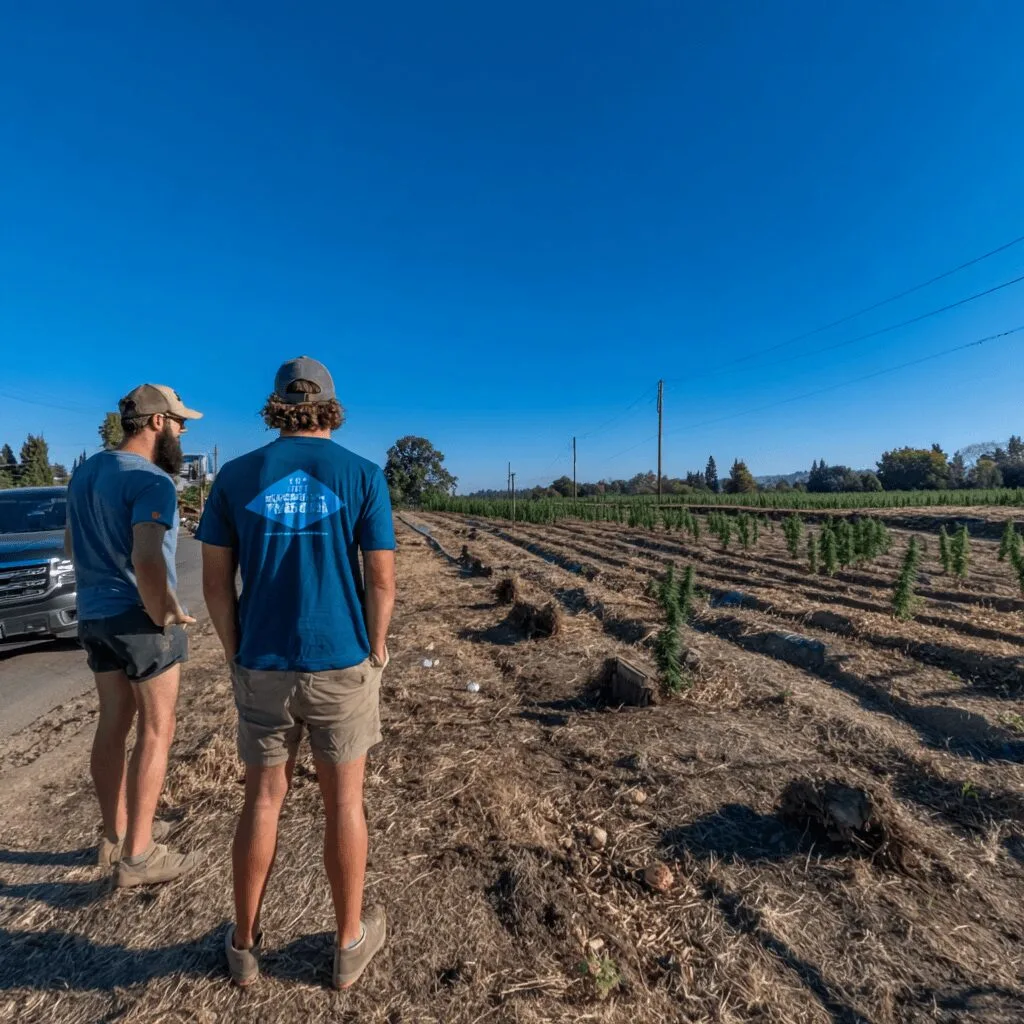
Here’s the lowdown, in June 2024, the Sutter County Board of Supervisors hit pause on all new hemp cultivation, effectively issuing a sweeping Sutter County hemp ban. This decision came only days after local law enforcement, acting on multiple warrants, raided several agricultural properties. Officers alleged that some hemp fields had unlawfully high THC levels or were being used as a front for illegal marijuana grows. Officials seized thousands of suspected cannabis plants, and several growers now face ongoing investigations.
The Sacramento Bee, in its detailed reporting, highlighted voices from local farmers who say this broad-brush response unfairly punishes law-abiding hemp producers. Despite calls from the Sutter County Growers Association to differentiate between licensed hemp and illicit cannabis, the ban covers all new hemp planting until “regulatory clarity” arrives. The county’s staff have been ordered to revisit current ordinances, while dozens of families watch their next harvest hang in the balance. Industry specialists warn that the Sutter County hemp ban could ripple out to other counties if lawmakers don’t craft smarter regulations soon. Other regions have also seen strict enforcement of drug policy on minor traffic infractions, such as the recent Lincoln Parish drug bust on rural highways.
Expert Insights: What the Sutter County Hemp Ban Means for California Cannabis
Let’s keep it real, the Sutter County hemp ban is yet another example of patchwork policy leaving honest farmers stuck in the collateral of the cannabis crackdown. According to Marijuana Moment, California’s inconsistent enforcement of hemp laws sends the wrong message to both growers and would-be investors.
As Amanda Reiman, founder of Personal Plants and longtime cannabis policy advocate, said in an interview with Filter, “When law enforcement can’t distinguish hemp from cannabis, everyone loses—especially family farmers just trying to make a living. We need state and local rules that protect communities without driving legitimate growers out of business.”
This ban doesn’t just slow down hemp farming, it chills innovation and might encourage more gray-market activity by squeezing out regulated players. It’s no stretch to say that the Sutter County hemp ban exposes major fault lines in the legal cannabis framework. Until science-backed, practical testing and compliance procedures are mainstreamed, these ‘pot busts’ risk hurting innocent cultivators more than criminals. The urgent need for effective regulation is something state policy forums are now wrestling with, as covered in recent discussions about state medical marijuana regulations.
Looking Ahead: Hope Beyond the Sutter County Hemp Ban
As stressful as the Sutter County hemp ban feels, this isn’t the end for local growers or the state’s ambitious hemp sector. Savvy advocates and industry leaders are already organizing, pressing for clear, science-driven rules that protect both public safety and farmer livelihoods. The legal and social tide is still turning in favor of regulated cannabis and hemp, even if progress comes in fits and starts. Reform elsewhere proves it: gradual, evidence-based policy changes can bring back legal markets once policymakers work out the kinks. The next few months will be telling, but with strong community voices, smarter regulation, and broader industry dialogue, there’s real hope the Sutter County hemp ban could become a catalyst for better statewide policy in California’s ever-evolving cannabis scene. For more on successful reforms, see recent analysis by the National Organization for the Reform of Marijuana Laws.
Originally reported by: sacbee.com