Fentanyl Marijuana Meth Arrest: Stunning Marion County Bust
The phrase fentanyl marijuana meth arrest is making headlines again, reflecting shifting dynamics in law enforcement, policy, and public opinion. As cannabis advocates keep pace with legalization trends, news like this Marion County bust highlights the importance of safety and regulatory vigilance. Today, let’s break down what happened, why it’s relevant, and what it means for the evolving cannabis industry.
Background: Current Legal Landscape & Social Realities
With the slow crawl toward nationwide legalization, cannabis laws remain a complex patchwork in the United States. While many states have legalized medical or adult-use marijuana (NORML reports ongoing reform), combining cannabis with controlled substances like fentanyl and meth creates an urgent legal flashpoint. Law enforcement faces mounting pressure to distinguish between regulated cannabis and contaminated or illicit substances. The fentanyl marijuana meth arrest story shows ongoing friction between reform advocates and zero-tolerance policing. These events come as stakeholders push for clearer regulatory definitions and public education to ensure safety and prevent unintended consequences. Studies tracked by Marijuana Moment show that increased testing for contaminants, consumer protections, and nuanced enforcement are at the top of the industry’s agenda in 2024. Nationwide, the need for clear guidelines also affects how adolescents and vulnerable populations are impacted by shifting cannabis norms, as seen in recent debates about psychiatric and developmental outcomes for youth.
Key Developments: The Marion County Event Unpacked
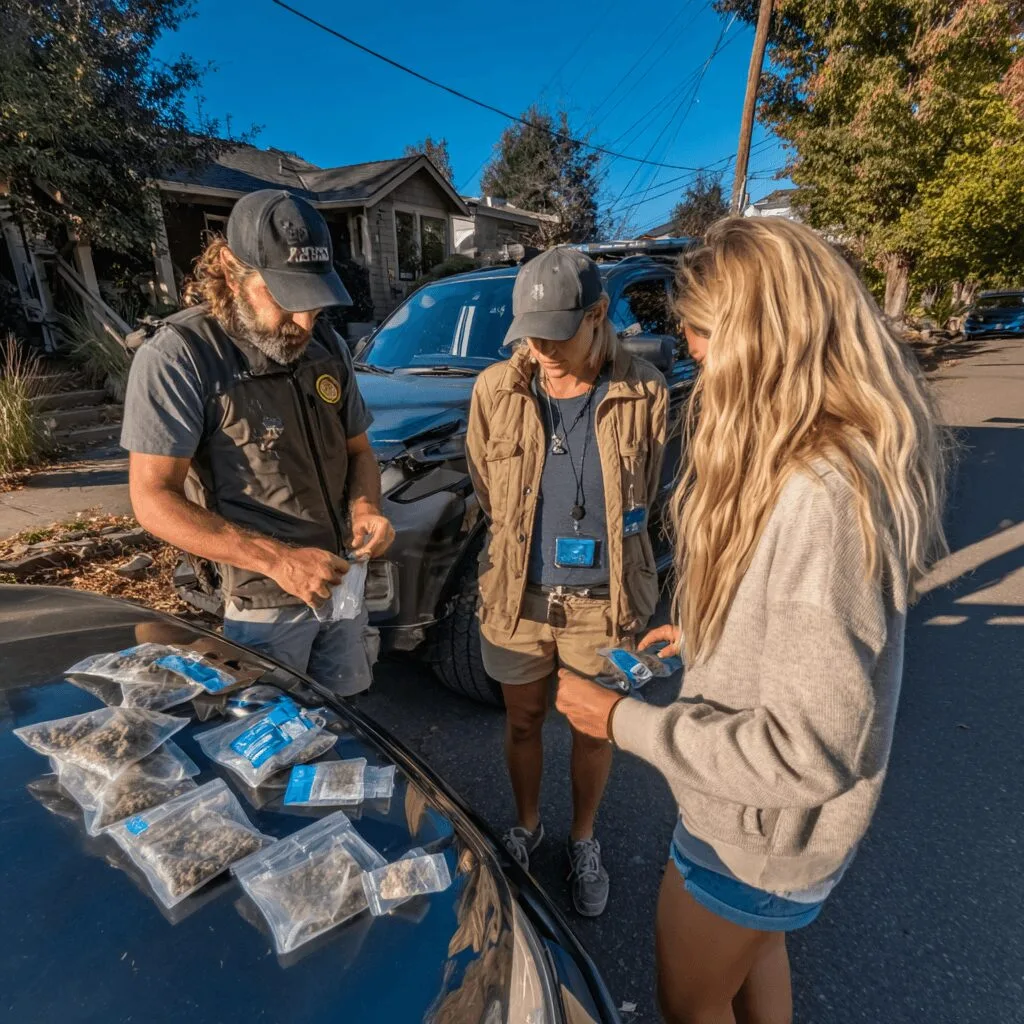
According to WDTV, Marion County deputies conducted a significant fentanyl marijuana meth arrest on December 3rd, 2025. During a roadside search in a quiet residential area, law enforcement discovered suspected fentanyl mixed with marijuana and methamphetamine. The operation resulted in three arrests. Deputies reportedly found cannabis buds, loose marijuana, plastic baggies, and small pill bottles on site. Additional evidence included crystalline substances in plastic containers believed to be meth. The suspects faced controlled substance charges. The incident took place against the backdrop of increasing fentanyl-related concerns nationwide. The Marion County Sheriff’s Department emphasized the need for public awareness, with statements reinforcing that the case involved both Schedule I (cannabis) and Schedule II (meth, fentanyl) substances. With opioid-related overdoses making headlines, local authorities underscored how proactive policing in fentanyl marijuana meth arrests remains critical, particularly where cross-contamination between drugs is suspected. Similar law enforcement challenges and large-scale cannabis seizures have made the news, as illustrated by the Orangeburg County incident where police seized guns and cannabis, highlighting ongoing policy debates.
Expert Analysis & Insights: Separating Facts from Fear
This fentanyl marijuana meth arrest illustrates an ongoing tug-of-war between modern cannabis realities and legacy prohibition tactics. Here’s the scoop, mixing fentanyl with cannabis defies the legal cannabis industry’s strict quality control standards. In fact, as Leafly explains, “There’s still no documented, lab-confirmed case of cannabis ever being laced with fentanyl prior to purchase in a regulated dispensary.” This means the risk isn’t tied to legal cannabis retailers, but to unregulated markets where consumers remain vulnerable. Dr. Ethan Russo, a renowned cannabis researcher, puts it this way: “The safest cannabis is always that which is legally regulated, tested, and transparent about contents.” (Project CBD). Law enforcement must remain vigilant, but the headlines can sometimes conflate regulated marijuana with dangerous street substances, creating confusion, not clarity, for consumers. The real takeaway is this: It’s not legal cannabis that’s the threat, it’s lack of oversight in underground markets. Meanwhile, consumer safety and regulation also come into focus as issues like severe health reactions to cannabis use are increasingly reported in clinical contexts.
Outlook: Cannabis Industry Poised for Safe, Regulated Growth
While the Marion County fentanyl marijuana meth arrest brings understandable concern, it also highlights the urgent need for evidence-based policy and industry regulation. The cannabis sector is committed to consumer protection and transparent, tested products. As regulators, industry leaders, and advocates keep up the push, expect to see even stronger safety protocols and public education campaigns rolled out nationwide. Social acceptance of cannabis is growing, thanks in part to continued advocacy and credible consumer data (Pew Research Center report). Events like Marion County’s bust reinforce the need for distinguishable, legal markets and prove that the future of cannabis—when regulated—looks brighter than ever.
Originally reported by: wdtv.com