





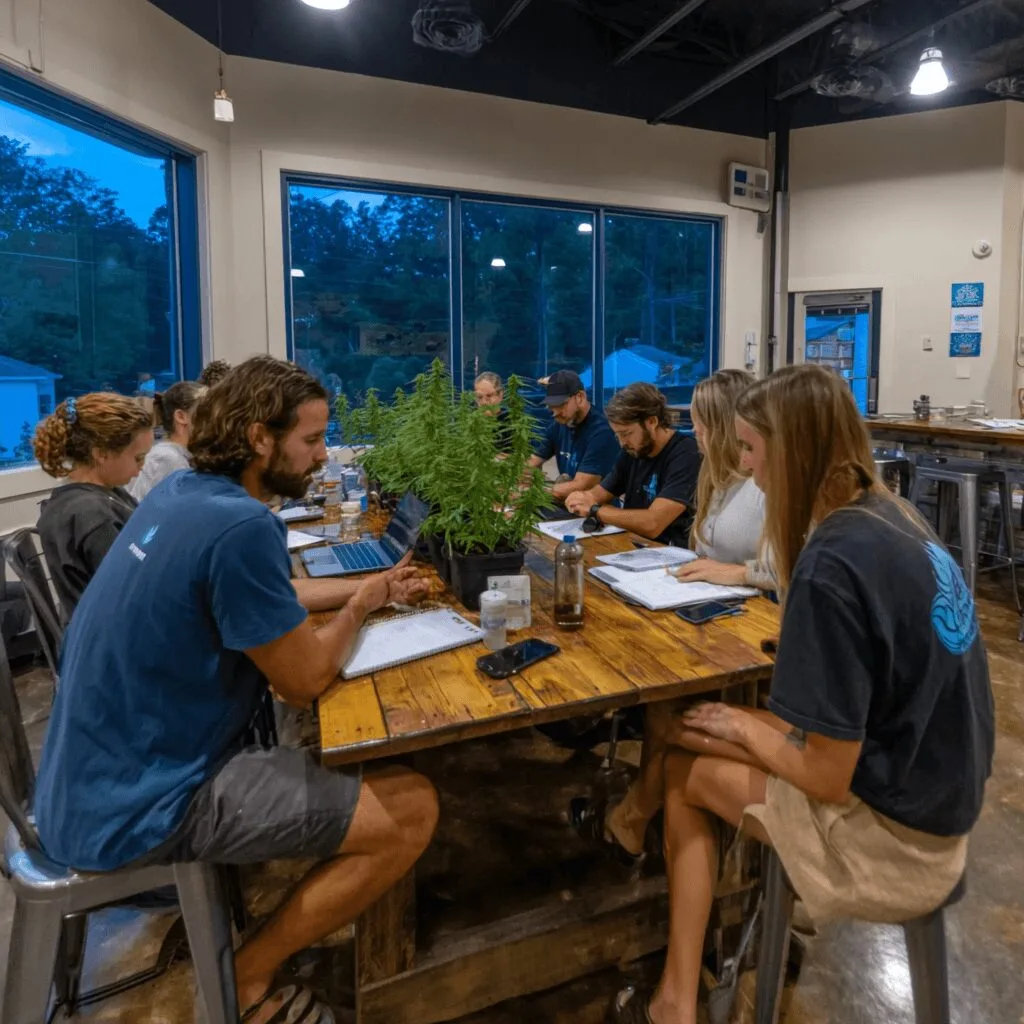
Medical Cannabis Education Competencies: Essential Guide Revealed
The landscape of healthcare and cannabis is evolving faster than a Snoop Dogg playlist at a 4/20 party. Right now, the spotlight is shining bright on medical cannabis education competencies—a critical piece for clinics, educators, and policy-makers. As legalization spreads and patient demand rises, the need for universal, standardized cannabis education among healthcare professionals is a hot topic. This guide to medical cannabis education competencies explains what educators and clinicians must know to keep up with changing laws, new science, and real patient needs. Dive in to understand how these standards are shaping the next generation of medical cannabis care.
The Legal, Social, and Regulatory Roots of Medical Cannabis Education Competencies
Understanding medical cannabis education competencies means appreciating the complex web of regulations and social changes underlying the movement. More than 35 U.S. states have legalized medical cannabis in some form, spurring demand for well-trained medical professionals. National organizations like the American Medical Association and research leaders have called for firm educational guidelines. Regulatory developments, along with shifting attitudes highlighted by changing public sentiment in states like Kansas, are raising the bar for competency. At the social level, patient advocacy groups are challenging old stigmas, pushing for safer, evidence-based guidance from doctors. States such as Illinois and Colorado have set precedents by linking practitioner education to licensure and patient access. All this means developing comprehensive medical cannabis education competencies isn’t just good policy, it’s essential for public trust, patient safety, and responsible healthcare delivery.
Core Developments in Medical Cannabis Education Competencies
The latest headline, as reported by Ophthalmology Advisor, rolls out a freshly-minted guide detailing core medical cannabis education competencies. This initiative outlines foundational knowledge and practical skills every healthcare pro should master, from pharmacology to legal ethics. The guide stresses patient communication, risk assessment, and hands-on application, essentials when people turn to cannabis for relief. Notably, the new standards respond directly to feedback from health educators, patients, and state medical boards. According to recent legal filings and reputable media coverage, universities and CME providers nationwide are fast-tracking curricula to address knowledge gaps. Minnesota’s evolving hemp industry regulations also reflect how new regulatory language emerged in early 2024, requiring compliance by hospitals and clinics in legal states, an effort led by coalitions like the National Council for Cannabis Clinicians. The result is a growing network of specialists trained to translate the latest cannabis science into real patient outcomes, paving the way for responsible expansion of medical marijuana programs.
Expert Perspective: Why Education Competencies Matter for Cannabis Care
Cannabis education is having its moment in healthcare, and the stakes couldn’t be higher. According to Dr. Jordan Tishler, President of the Association of Cannabinoid Specialists (Association of Cannabinoid Specialists), “Consistent, evidence-based training in medical cannabis competencies will help practitioners make informed decisions and reduce stigma for patients who need alternative therapies.” The rise of clear, standardized competencies signals a major shift in how the industry defines medical professionalism. No more guesswork or old-school bias, just straight-up facts and skills tested in real-world clinics. Industry experts consistently stress that such initiatives are a crucial step toward bridging the knowledge gap between traditional and modern medicine. Moreover, current reports emphasizing the real science behind medical cannabis evidence reveal how robust competencies back up every prescription or patient chat with science, credibility, and accountability. This matters whether you’re practicing in a cutting-edge Colorado dispensary or a cautious Massachusetts medical group.
The Future: Growth, Acceptance, and Better Patient Outcomes
Medical cannabis education competencies aren’t just an academic trend—they’re the backbone of patient-centered cannabis care in 2024 and beyond. As regulatory momentum grows and social acceptance rises, these standards are setting the tone for consistent, high-quality healthcare. According to the National Organization for the Reform of Marijuana Laws, expanded education will help close gaps in patient care, foster evidence-based policy, and support destigmatization. Looking ahead, expect even more states and educational leaders to adopt these guides, empowering the next generation of healthcare pros. With robust medical cannabis education competencies in place, it’s safe to say the future’s looking greener, smarter, and a whole lot healthier.
Originally reported by: ophthalmologyadvisor.com


1 Comment
Pingback: Houston THC dispensaries: What’s Coming to the City?