

Virginia retail cannabis proposal puts small business first
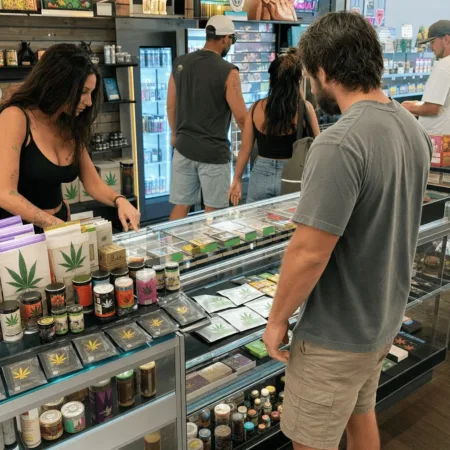
It’s no secret—cannabis reform is moving fast in 2024, and the Virginia retail cannabis proposal is front and center. With states like Maryland and New Jersey building up their markets, all eyes are now on Virginia’s bold step to put local entrepreneurs and fair opportunity at the heart of its cannabis industry. This new proposal changes the game, promising fresh pathways for small business owners, equity, and community reinvestment. Let’s break down why this initiative matters so much for Virginia’s economic future and the broader legalization movement.
Regulatory and Market Landscape: Virginia’s Road to Legalization
Virginia made headlines in 2021 by becoming the first southern state to legalize adult-use cannabis, but with one catch: sales remained in limbo as lawmakers and regulators ironed out the retail details (National Conference of State Legislatures). The Commonwealth set the groundwork by allowing adult possession and home cultivation, yet delayed rollout for the official retail market led to a gray area threatening both consumer safety and economic growth. Local businesses and residents faced uncertainty as regulations remained unsettled, echoing similar challenges encountered in other regions; for example, recent studies of retail bans and community impacts in places like Snohomish provide useful parallels (learn more about how local business environments are affected by ambiguous marijuana retail regulations).
According to Virginia Mercury, the lack of licensed sales channels created opportunities for unregulated products and undercut expected state revenues. Meanwhile, small business advocates and social equity leaders have pushed for a system where locals—not just big out-of-state players—can thrive. That pressure finally produced the latest and most ambitious Virginia retail cannabis proposal yet.
Pivotal Changes in the Virginia Retail Cannabis Proposal
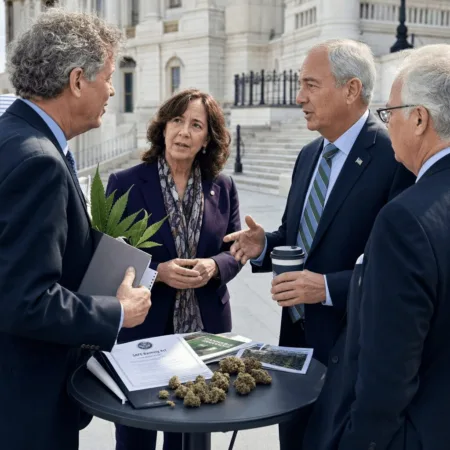
On December 2nd, 2025, legislators unveiled a revamped Virginia retail cannabis proposal that’s generating major buzz for all the right reasons. This plan prioritizes small businesses and economic justice by reserving a significant portion of retail licenses for local operators—an approach rarely seen in the first wave of legalization states. According to WHRO Public Media, lawmakers aim to set aside early access for social equity applicants, particularly those impacted by past cannabis prohibition and residents from communities disproportionately harmed by the War on Drugs. In addition, many investors are carefully watching how new cannabis legalization legislation like this can affect broader market trends and even influence high-profile financial instruments (see investor insights on market-changing legalization events).
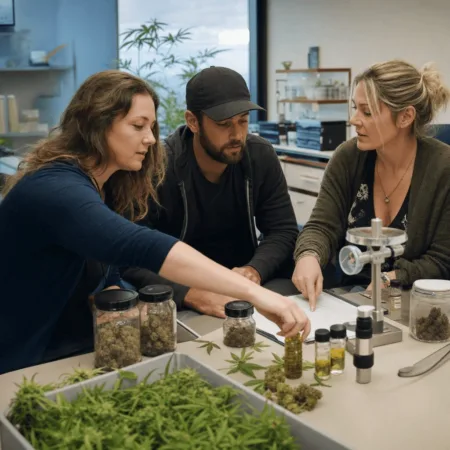
The bill includes granular details, such as limits on the number of stores per chain, a robust application review for community reinvestment plans, and state-supported technical assistance to help small businesses get started. Lawmakers have specifically steered clear of allowing vertical integration (where a single company controls cultivation, processing, and retail) to prevent a corporate monopoly, learning lessons from states like California and Massachusetts. The proposal also introduces transparent taxation and local opt-out provisions, giving municipalities more control over cannabis locations and zoning.
Expert Analysis: Impacts, Trends, and Advocacy Insights
This isn’t just another bill, it’s a watershed moment for cannabis reform in the south. By embracing a Virginia retail cannabis proposal laser-focused on fairness, lawmakers are signaling that mom-and-pop operators deserve just as much of a shot as any mega-corporation. These sweeping changes in Virginia’s cannabis laws also mirror significant updates occurring in other states; for example, Kansans are demonstrating changing attitudes toward marijuana legalization in recent polls (see how public opinion is shifting in neighboring regions). As Dr. Janice Hardy, a policy analyst interviewed by Leafly, notes, “When states concentrate on social equity, the whole ecosystem improves, innovation, access, and trust follow right behind.”
Industry observers see big synergy between this proposal and trends in other adult-use states. Separating cultivation from retail reduces barriers for first-time investors. Technical assistance and low-interest startup loans turbocharge opportunity for historically excluded groups. Critics worry about too much regulation, but as MJBizDaily points out, clear guardrails help prevent market monopolization and protect entrepreneurs from predatory practices. For cannabis advocates, it’s not just about profit, it’s about righting historic wrongs and building generational wealth for local families. To better understand the everyday effects these legislative moves have on Virginians’ daily lives, review this summary of how recent legal marijuana sales have influenced the state (discover more about the impacts on daily life and policy).
The Path Forward: Cannabis Growth and Community Empowerment
If lawmakers give a green light, the Virginia retail cannabis proposal will be a model of economic progress. As legalization gains mainstream acceptance nationally—especially after strong 2023 sales in Illinois, New York, and Maryland—Virginia stands to build a cannabis sector that’s both profitable and just. Social acceptance continues to rise, while more voters and businesses see potential for jobs, tax revenue, and safer access.
According to a recent Pew Research Center survey, over two-thirds of U.S. adults support legal legalization. This momentum should give Virginia lawmakers the political cover they need to act boldly. The industry has a long road ahead, but with proposals like this, the future feels greener than ever—especially for local entrepreneurs ready to plant roots.
Originally reported by: whro.org