Missouri hemp licensing: What Law Changes Mean for You
It’s a wild season for Missouri hemp licensing, and anyone watching the cannabis scene knows why. The urgency comes from true shake-ups: lawmakers are shifting their stance, the industry is evolving, and market opportunities are, frankly, up for grabs. People in Missouri are asking how these rule changes could affect growers, entrepreneurs, and even everyday buyers. It’s not just state policy at stake—local economies and personal freedoms are in the spotlight, too. In this discussion, you’ll get the lowdown on why Missouri hemp licensing is a big deal, who it touches, and what these recent legal curveballs might mean for your plans.’
Understanding the Roots: The Missouri Hemp Licensing Landscape
This isn’t Missouri’s first rodeo when it comes to cannabis legislation. Since the 2014 federal Farm Bill cracked open the legal door for hemp, states like Missouri have hustled to regulate its cultivation and licensing. Hemp, unlike its infamous cousin marijuana, packs less than 0.3% THC, making it perfect for legal farming but also a target for ongoing scrutiny. The USDA’s Domestic Hemp Production Program gave states freedom to create local rules, and Missouri got busy, rolling out its own licensing framework for growers, handlers, and processors. But with evolving federal guidance and intense local debates, especially over intoxicating hemp products and Delta-8 THC, staying compliant became a full-time job.
Regulators have juggled public safety, economic opportunity, and pressure from advocacy groups. Social attitudes have also begun to mellow, as the hemp boom generates rural jobs and fresh tax revenue. The climate for Missouri hemp licensing remains both promising and unpredictable, a perfect recipe for industry insiders looking to adapt and thrive. If hemp licensing in Missouri makes the news, it isn’t just red tape, it’s turf wars, innovation, and the beating heart of the state’s cannabis future. States such as Wisconsin are also wrestling with regulations, as seen in recent bold moves and big debates on hemp THC legislation.
Major Changes: Key Developments and Emerging Issues
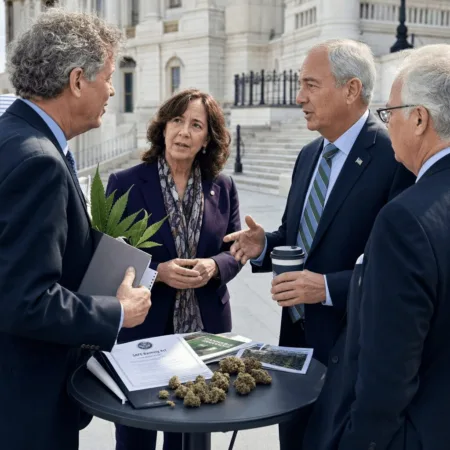
Late 2025 has tossed Missouri hemp licensing a curveball. According to reports by the News Tribune, Republican lawmakers, once herbal supporters, seem to be losing their appetite for some hemp-derived products, especially those high in intoxicating cannabinoids like Delta-8. Proposed legal tweaks include stricter licensing requirements for processors and tighter reins on retail sales of anything vaguely psychoactive. Concerns about federal THC bans and their ripple effects on local product lines have been echoed by industry observers.
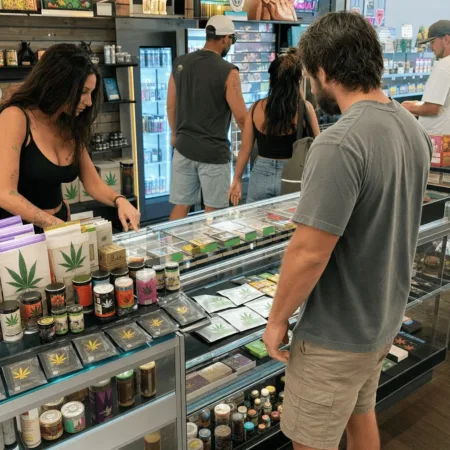
What’s concrete? Legislation floated in November would bar many of the ‘loophole’ products that previously slipped through under the broad umbrella of Missouri hemp licensing, while introducing new compliance checks for current operators. Existing farmers and processors, including legacy names like Missouri Hemp Co. and Heartland Labs, face heavier reporting rules and inspection protocols. Lawmakers point to increased enforcement needs, citing a rise in out-of-state products and consumer confusion over what’s actually legal to buy or sell.
Despite concerns, the new laws aim to clarify, not crush, the industry. Authorities promise clearer pathways for compliant businesses and honest consumers, echoing calls from groups like the Missouri Cannabis Trade Association. It’s a dance between progress and prudence, and everyone’s eyes are glued to Jefferson City for the next beat. In other states, big seizures create similar uncertainty—like those covered in newsworthy cannabis seizures igniting local debate.
Expert Insights: Analyzing Impacts and Opportunities for Missouri Hemp Licensing
Anytime the script flips on Missouri hemp licensing, it has ripple effects far beyond the Capitol. The push for more stringent standards might spook some small operators, but it could also drive legitimacy and investor confidence. “Tighter regulation, when it’s handled with fairness, can actually make space for ethical innovation and a stable marketplace,” says Amanda Klein, a policy analyst quoted by Marijuana Moment. “The hemp market survives, and even thrives, when consumers know what’s trustworthy and businesses know where they stand.”
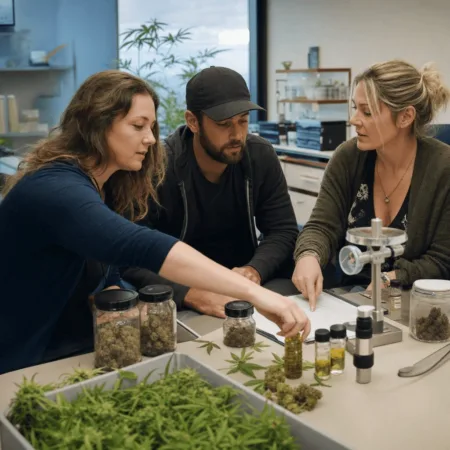
If Missouri nails the balance between oversight and access, experts predict the next wave will include better consumer education, product safety, and even pro-cannabis research partnerships with local universities. States like Illinois and Colorado saw similar industry bumps after early stumbles—proof that a regulated market isn’t just a killjoy, it’s a springboard for lasting industry gains. These shifts mirror developments seen in pre-roll automation innovations in cannabis labs, as shown in the rise of automation in cannabis production. Keeping conversations open between lawmakers, farmers, and grassroots groups will be critical for future progress.
The Road Ahead: Hope and Growth for Missouri Hemp Licensing
No one should count Missouri out when it comes to cannabis. The changes around Missouri hemp licensing are a sign that legalization isn’t a one-and-done story—it’s a living process. As new licensing standards emerge, smart players will adapt, and the industry will carve stronger, clearer lanes for everyone.
Market watchers and advocates point to national trends—like record-breaking hemp-derived product sales and expanding consumer support—as reasons to stay upbeat. Regardless of political moods, public interest in safe, accessible hemp is only rising. Missouri’s next moves could set a blueprint for neighboring states.
The bottom line? Keep your eyes on the prize. Missouri hemp licensing is evolving, and whether you’re a farmer, entrepreneur, or just an everyday fan—change brings opportunity for those ready to grow with it.
Originally reported by: newstribune.com