East Alton stolen gun sentencing: Shocking courtroom outcome
The conversation around cannabis justice just collided with the criminal justice system in an unexpected way. If you haven’t heard the buzz, a recent courtroom decision in East Alton is all over the headlines, catching the interest of both cannabis advocates and policymakers. The East Alton stolen gun sentencing case is about more than just one individual—it’s about how our legal system is evolving, especially in communities where cannabis law reforms are making waves. In this deep dive, we’ll explore what happened, how it ties to broader regulatory trends, and why people in the cannabis industry are watching closely. Buckle up for a ride through legal twists, local impact, and strong opinions.
Understanding the Legal Backdrop in East Alton
Let’s get real for a minute. Illinois has been something of a legal laboratory recently, blending progressive cannabis reforms with tough stances on gun crime. If you’re following the flow, you know the state legalized adult-use cannabis back in 2020, opening doors for both medical patients and recreational users (Marijuana Moment). Yet, the criminal justice system still wrestles with old-school policies around firearms and non-violent offenses, a contrast reminiscent of key debates happening nationwide, like those sparked by hemp and THC laws in places such as Wisconsin (recent legislative updates). While the cannabis market keeps surging, folks in places like East Alton face a tricky legal landscape where past actions and new policy ideas compete for the spotlight.
Regulatory bodies in Illinois, such as the Department of Financial and Professional Regulation, keep a close eye on dispensaries and users alike. But changes in gun law enforcement don’t always sync up with cannabis reforms. As NORML points out, there’s ongoing tension between criminal justice priorities and the push for cannabis normalization. This means legal decisions, like the recent East Alton stolen gun sentencing, end up reflecting bigger debates on justice, safety, and social stigma.
What Went Down: The Key Developments & Issues in the East Alton Stolen Gun Sentencing
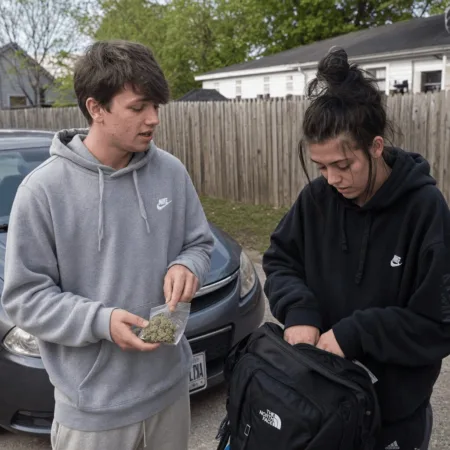
Here’s the scoop, In June 2024, the Madison County courtroom saw a high-profile sentencing in the East Alton stolen gun case, sending shockwaves through both the local community and cannabis social circles. The defendant, Maurio Bean, was convicted of possessing a stolen firearm after a routine traffic stop revealed not just a weapon but also trace amounts of cannabis-related paraphernalia. Incidents like these reflect a growing dialogue about how law enforcement handles cannabis possession alongside more serious accusations, a discussion that recalls similar recent events where law enforcement became the focus of local debate (see how cannabis seizures can ignite local debates). Local police initially escalated the investigation, tying together the threads of gun possession and the presence of cannabis with legal complexities.
According to The Telegraph’s detailed coverage, Bean was ultimately handed a sentence that left even courthouse regulars surprised, a mix of probation, stipulations for substance counseling, and a stern warning about any future firearm-related offenses. The prosecution argued for a stiffer penalty, but Judge David Hylla noted Bean’s progress in community outreach efforts and the lack of violent intent in the case. This rare blend of leniency and accountability has quickly turned into a hot-button issue in East Alton and across Illinois.
What makes this East Alton stolen gun sentencing so newsworthy? It’s that delicate intersection, guns, cannabis, evolving public attitudes, and a legal system testing its own boundaries. The original report emphasizes how the case was watched closely by advocacy groups who fear courtrooms are still too quick to conflate cannabis use or possession with violent crime (ACLU), even as the law itself keeps shifting.
Expert Analysis, What This All Means for Cannabis Policy & Justice
This case throws up a field of signals for both cannabis advocates and policy nerds. First off, the East Alton stolen gun sentencing spotlights how deeply rooted biases can muddy legal reasoning, especially when cannabis is involved, but also that perceptions are changing, albeit slowly. Fair courts should draw strict lines between cannabis-related personal use and serious violent offenses, reflecting what experts have been saying for years. As cannabis policy analyst Dr. Jessica Knox notes in an interview with Leafly, “The danger comes when courts treat non-violent possession like a gateway to far more serious crime, instead of recognizing how outdated those attitudes are.” Cases like these may end up fueling the national conversation, similar to how ongoing analysis explores what tougher regulations could mean for consumers (federal THC restrictions and their impact).
Illinois’s cannabis market is now one of the three largest in the Midwest, with revenues surging and legal access at an all-time high. Yet, criminal penalties around firearms, especially with a cannabis twist, create confusion for everyday people. Recent data from the Bureau of Justice Statistics shows a real drop in non-violent cannabis arrests post-legalization, but gun-related charges tied to cannabis are still prosecuted forcefully. That’s a signal the law is struggling to catch up with public opinion and actual harm.
Seasoned observers from the Drug Policy Alliance urge local courts to consider broader restorative practices and data-driven judgments, focusing on intent, past behavior, and social context.
The Road Ahead: Hope for a Fairer, Smarter Legal Landscape
What’s next after the East Alton stolen gun sentencing drama? Optimism is buzzing, not just among advocates but throughout the regulatory scene. With Illinois leaders considering further reforms and more Americans now supporting legal weed than ever before (Gallup Poll), future court decisions may finally reflect nuanced attitudes about cannabis, justice, and rehabilitation. The story out of East Alton is a real reminder: Sensible policies are achievable, and every high-profile verdict drives home the need for equity and clarity in both cannabis and criminal law. As reform efforts flourish—from social equity programs to expungement drives—the big picture is all about normalization and smart justice. Count on the cannabis industry to keep pushing for reforms that actually protect, restore, and empower communities.
Originally reported by: thetelegraph.com