THC Addiction Surge: Uncover the Rise Driven by Potent Cannabis
There’s a lot of buzz right now about the so-called THC addiction surge. Higher potency in today’s cannabis market has fired up debates—from living rooms to legislative floors. Folks want to know: are stronger cannabis products really fueling more addiction, or is this another headline that misses the bigger picture? In this piece, we’ll break down the issue, explore what’s new, and offer a balanced perspective rooted in both industry wisdom and recent news events.
The Regulatory, Social, and Market Backdrop of Cannabis Potency
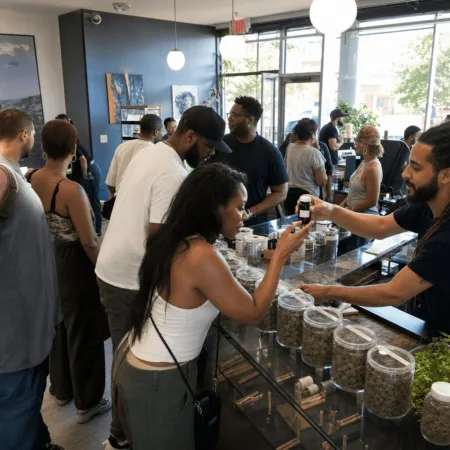
The last decade saw a massive shift as legalization swept across much of the U.S., with polls showing huge support for legal weed. With that green wave came innovation, growers and extractors began pushing for ever-higher THC percentages, and the industry responded with shatter, wax, and infused pre-rolls. However, beneath the excitement, regulators and health experts started paying closer attention. For example, the CDC has flagged concerns over the risks of high-THC products, especially for young adults and those with a family history of mental health concerns. In some communities, policymakers are examining how grouping retail locations impacts access and consumption, which echoes findings from analyses of cannabis store clustering effects. In states like Colorado and California, policymakers are actively debating limits on THC content and considering stricter labeling — California lawmakers, for instance, have considered various THC caps, acknowledging the changing consumer landscape. This context forms the backdrop of today’s THC addiction surge, where innovation, regulation, and public health concerns collide daily.
Core Developments, Policy Shifts and the Reality Behind the THC Addiction Surge
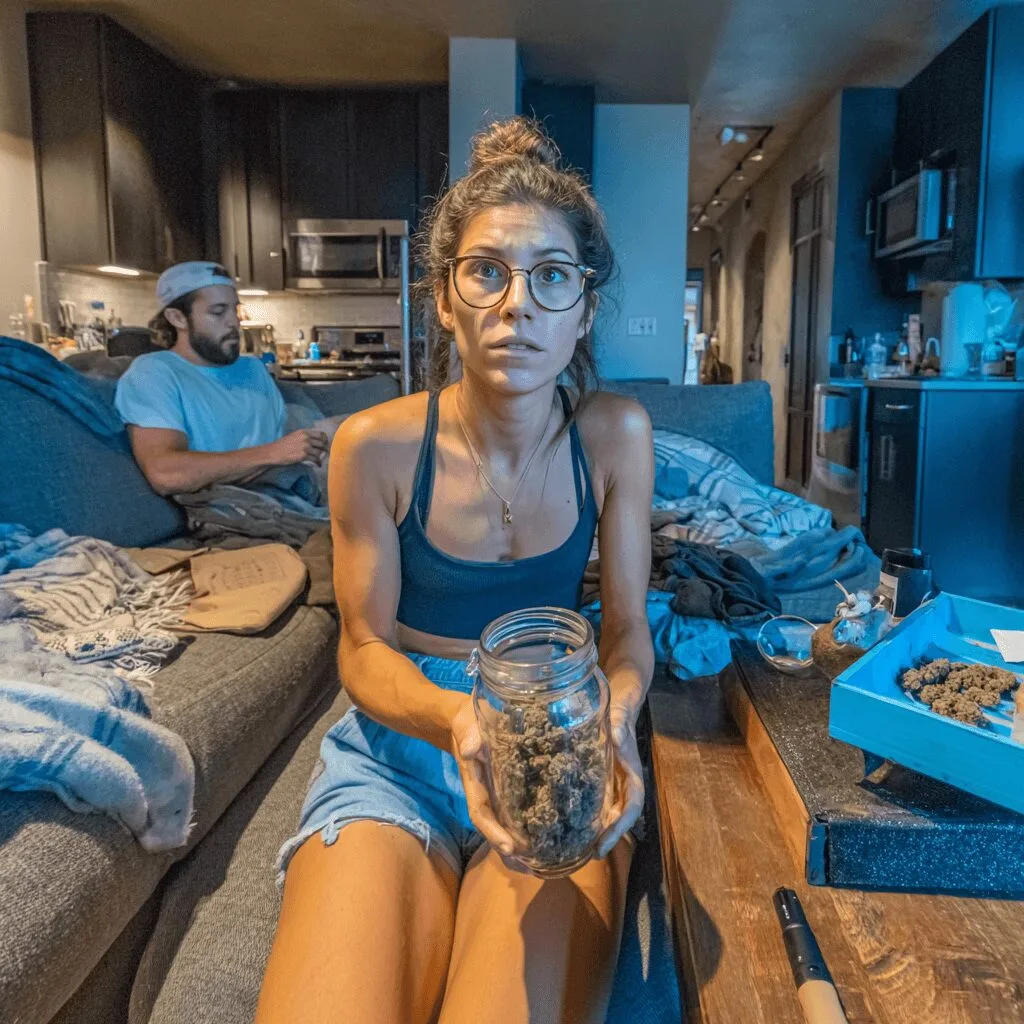
Let’s cut through the haze and focus on what’s really happening. According to recent reporting by The Dallas Express, addiction specialists are seeing a marked uptick in dependency cases tied to high-potency cannabis. Experts say they’re treating more young adults than ever who struggle to quit dabbing or heavy vape use. These aren’t just casual users facing a rough week, it’s people experiencing withdrawal and negative impacts on mental health and motivation. What’s driving it? The products fueling this surge are ultra-potent concentrates, edibles with sky-high THC levels, and new delivery systems hitting legal dispensaries. In some states, the impact of evolving regulations — such as changes seen during the recent marijuana expansion votes in Michigan — has changed who can access the market and which products are available. According to data from SAMHSA’s 2022 report, cannabis use among young adults remains high, with a noted increase in those reporting daily or near-daily use. These stats fuel concerns that the THC addiction surge isn’t limited to headlines, but is genuinely shifting the landscape for users, families, and communities. With more attention on what to watch for, recent discussions highlight marijuana dependence symptoms and why they matter now.
Expert Insights, Industry Balance, and the Cannabis Community’s Response to the THC Addiction Surge
Here’s where some industry wisdom comes into play. For years, cannabis advocates have pointed out that prohibition, not plant potency, is the real culprit behind unsafe consumption. Legalization adds transparency, safety testing, and better consumer education. But as market demand changed, even longtime users admit: “This isn’t the brick weed of the ‘90s.” As Leafly’s senior editor David Downs put it: “High-THC cannabis offers new experiences and relief for some, but we always need to match potency with education.” Most responsible dispensaries now provide guidance on dosage and effects, operating with far greater caution than the illicit market ever did. It’s also true that some media coverage blurs responsible use and problematic use, a point not lost on experienced industry voices. The THC addiction surge is alarming when it reflects real struggles, but it’s more nuanced than a simple cause-and-effect. Economic stress, mental health vulnerabilities, and shifting social norms all play a role. As the conversation evolves, there’s also increased focus on how public perceptions shift, such as the outrage and demands for change when lawmakers ignore the voices of marijuana voters. Major cannabis publications and addiction centers alike urge for balanced harm-reduction strategies like transparent labeling, consumer education, and improved mental health support. The industry, advocates, and researchers openly acknowledge: strong cannabis isn’t for everyone, but responsible use with proper information can greatly mitigate risk.
The Future: A Responsible, Evolving Cannabis Industry
So, what’s next as the industry faces a THC addiction surge? Expect more state-level debates about THC caps, clearer labeling, and stronger collaborations between health experts and business leaders. As noted by Marijuana Moment, advocacy organizations continue to shape policy that balances safety with consumer freedom. The most likely path forward isn’t a panic-driven crackdown, but a larger commitment to harm reduction, research, and thoughtful education. Cannabis culture values community, transparency, and innovation. While today’s high-potency marketplace brings challenges, it also brings the opportunity to build smarter, safer, and more informed cannabis environments for everyone. As more research emerges, social acceptance strengthens, and legal frameworks mature, the future of cannabis remains bright—rooted in responsibility, wellness, and the never-ending pursuit of good vibes.
Originally reported by: dallasexpress.com