





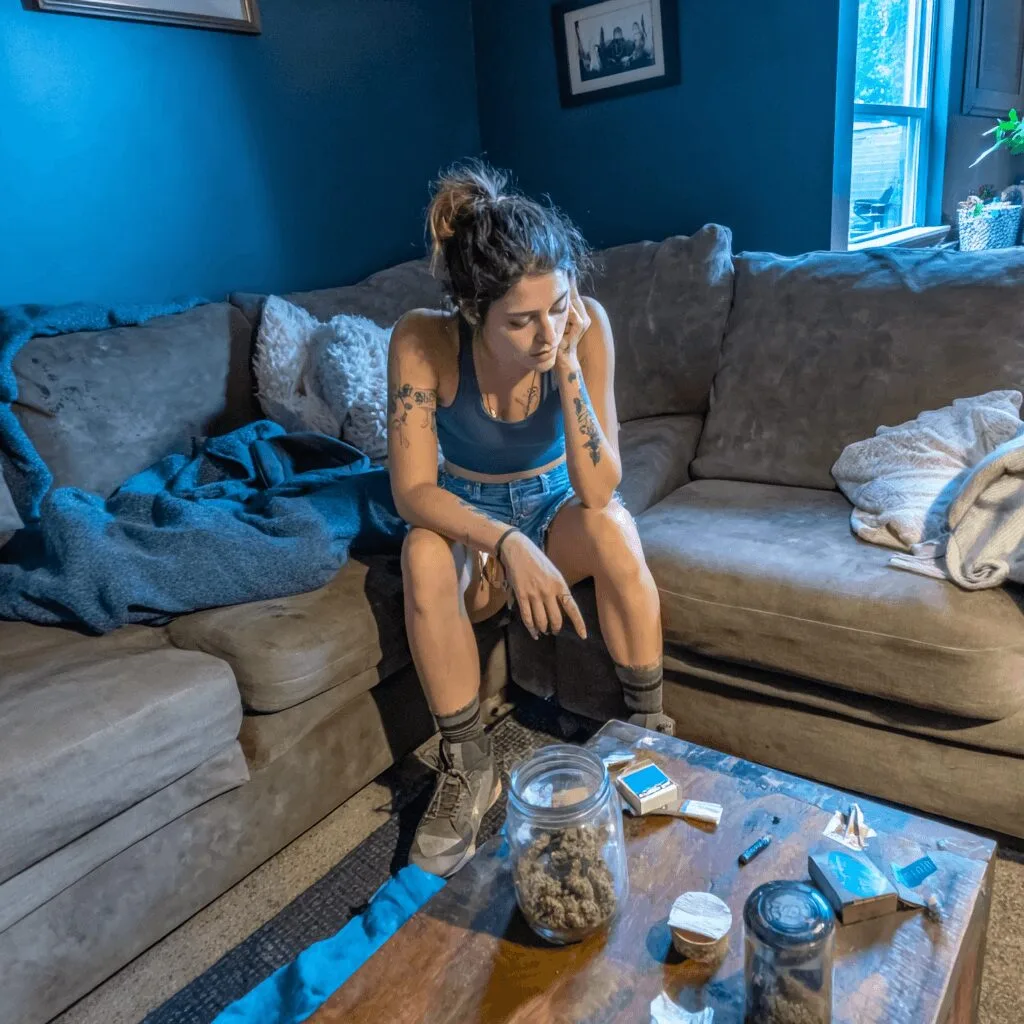
Marijuana Dependence Symptoms: What You Need to Know
With legal weed booming, more users—and their loved ones—are asking tough questions about marijuana dependence symptoms. As attitudes and laws shift, recognizing when casual use becomes something heavier is more important than ever. This guide breaks down what marijuana dependence symptoms look like, why these conversations are timely, and what recent news reveals about everyday people facing these struggles.
Background: Why Marijuana Dependence Symptoms Are in the Spotlight
The evolving cannabis landscape is pushing everyone, from advocates and regulators to casual tokers, to face new realities. After years of prohibition, the wave of legalization across the U.S. and Canada has increased public access and sparked bold discussions about safety, health, and regulation. According to Pew Research Center, support for legal weed is at an all-time high, but this also means more folks are vulnerable to issues like marijuana dependence symptoms. Scientists and policymakers are now asking how to balance freedom with meaningful support for those who struggle to quit. The CDC defines cannabis use disorder as a real mental health concern, proving this isn’t just a scare tactic from the old D.A.R.E. days. With the federal legalization conversation heating up, understanding the difference between chill use and actual dependence is crucial, especially as states like Michigan evolve their marijuana regulations. Drivers should also be aware that new laws—such as recent rules around cannabis packaging in vehicles—affect how people transport their products, which is addressed in the discussion on cannabis vehicle open package law.
Recent Developments: Real Stories and Emerging Concerns
According to a report in The News-Herald (2025-11-29), more users are seeking help with marijuana dependence symptoms, especially in regions with recent legalization. The story highlights individuals who began using cannabis daily to manage stress or simply get through the day and soon found themselves unable to function without it. They describe escalating use, failed attempts to cut back, and physical withdrawal symptoms, shining a light on the spectrum between casual and dependent use.
Experts quoted in the piece point out that legal access doesn’t always mean safer use. They note that many users don’t realize they’re experiencing marijuana dependence symptoms until their routines, relationships, or mental health take a hit. The article also mentions growing pressure on local healthcare systems and counselors, who are now more frequently treating cannabis use disorder. This increase in cases is confirmed by recent data from health authorities in Michigan, underscoring public demand for better education and support services. The community response seen in recent debates about dispensaries is further illustrated by how local decisions, as noted in this Citrus County marijuana dispensary case, can directly shape the future of regional cannabis use and public health programs.
Expert Views: What the Science and Industry Leaders Say
Let’s set the record straight, most cannabis consumers won’t develop serious marijuana dependence symptoms. Still, as veteran budtenders and industry insiders will tell you, it’s all about knowing your limits and trusting your gut. According to Leafly’s deep-dive on cannabis use disorder, a small but growing group of users is indeed seeking help for dependence, especially as products become more potent.
“Cannabis can be a positive force in many lives, but recognizing when it starts to cause problems, especially marijuana dependence symptoms, can be empowering, not shameful,” says Dr. Ethan Russo, a well-known cannabis researcher and neurologist (Project CBD). Experts remind us that early symptoms often look like anxiety, sleep disruptions, or feeling irritable when you skip a smoke. Industry veterans advise: listen to your body, keep your consumption intentional, and seek professional guidance if you spot these red flags. At the same time, as preferences shift during the summer months, there’s a noticeable buzz about alternative options for consuming THC, like those captured in the recent analysis of locally-made THC drinks, showing that the cannabis market and consumer habits are rapidly changing.
The Road Ahead: Toward Responsible Cannabis Use
So, where’s it all headed? As more people enjoy legal access, the cannabis community is stepping up to educate about marijuana dependence symptoms and responsible use. Initiatives from advocacy groups and states—like public awareness campaigns and support lines—are making help more available without judgment. According to recent findings from NORML, public opinion still overwhelmingly supports legalization, but with renewed calls for safeguards and resources.
Legalization is proving that cannabis can be enjoyed safely and responsibly. Addressing marijuana dependence symptoms openly is part of maturing the industry and reducing outdated stigma. As we support the growing, evolving market, expect more nuanced conversations—and real, practical help—for anyone navigating the gray areas of cannabis use. Let’s keep it honest, safe, and supportive for all.
Originally reported by: thenewsherald.com

1 Comment
Pingback: Michigan marijuana expansion vote: What the results mean