cannabinoid oral bacteria: Uncovering Hidden Effects
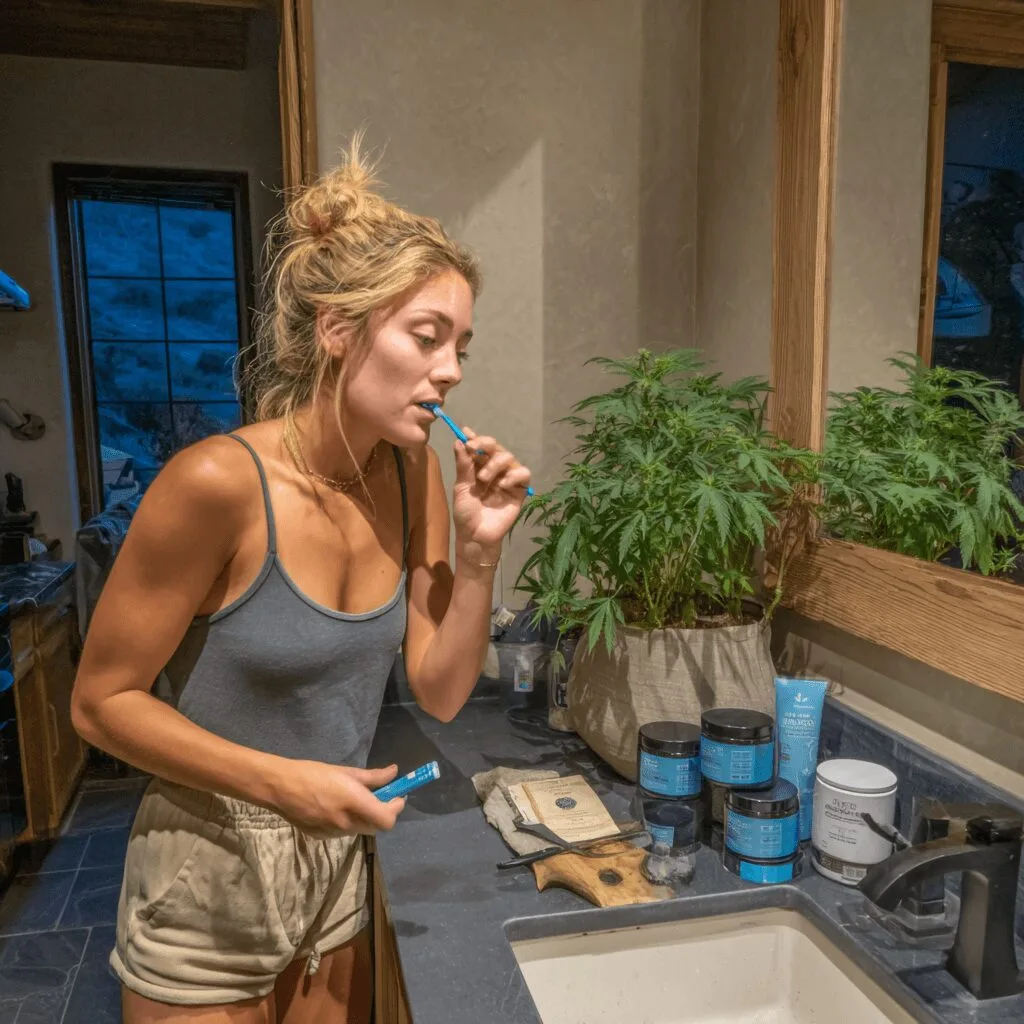
Let’s get real—cannabinoid oral bacteria is suddenly a hot topic in cannabis and wellness circles. As more people swap out pharmaceutical products for plant-based alternatives, researchers are racing to catch up. Why the buzz? Early studies suggest cannabinoids might impact oral bacteria, potentially shaking up dental health as we know it. Recent publications, such as this Frontiers in Microbiology article, are forcing everyone from dentists to dispensaries to pay attention. We’re talking about effects both good and bad—shifts in your oral microbiome, new treatments, and, yeah, some risks to chew on. This deep-dive unpacks what’s known, what’s changing, and why people who care about their smile (and their stash) need to keep cannabinoid oral bacteria on their radar right now.
The Science and Market Backdrop of cannabinoid oral bacteria
The cannabis industry has exploded over the last decade. Legalization has fueled both curiosity and rigorous study, opening the doors to research previously inhibited by prohibitive laws. According to the National Institutes of Health, there’s renewed interest in how cannabinoids affect everything from anxiety to microbiomes—especially those bacteria living inside our mouths. Industry reports, such as those by New Frontier Data, show consumer demand surging for wellness-driven, science-backed cannabis products. Meanwhile, states like California and Colorado now require ingredient transparency and basic safety studies for cannabis tinctures and edibles. Recent incidents, like high-profile cannabis-related cases that spark public dialogue, reflect how societal debates about plant medicine echo across public health, criminal justice, and legalization issues—mirroring conversations similar to those after the Detroit man’s struggle which reignited the cannabis debate. While regulators wrestle with THC limits and labeling laws, scientists are turning their focus to cannabinoid oral bacteria. Socially, consumers are now open to exploring nuanced health impacts of cannabis use, which could radically influence everything from product design to the way dentists deliver care.
Key Developments: What We Now Know About cannabinoid oral bacteria
If you’ve kept one eye on cannabis news, you’ve likely noticed the growing attention in Europe and North America towards cannabinoid oral bacteria. The Frontiers in Microbiology article sets the foundation, finding that cannabinoids—particularly CBD and THC—can disrupt normal oral bacteria communities. These findings? While some “bad” bacteria struggled when exposed to cannabinoids, even beneficial species showed changes, carrying implications for oral health concerns from cavities to gum disease. In the study, commonly known bacteria such as Streptococcus mutans and Porphyromonas gingivalis were tested, and their populations shifted after direct cannabinoid exposure. The study’s timeline, published in mid-2025, ranks it among the latest data available. With Health Canada and several US states already calling for more rigorous testing of edibles and tinctures (as outlined in this official Health Canada guidance), the regulatory environment is rapidly evolving. Brands like MedCanna and GreenWell have begun releasing new products designed to support oral microbiome balance. As the science progresses, policy and industry players must stay informed, just like drivers in regions faced with evolving roadside cannabis test regulations—drivers in provinces like Manitoba now need a sharper understanding of these new cannabis roadside laws. Clearly, cannabinoid oral bacteria research is already shaping science, policy, and consumer expectations.
Expert Analysis, Industry Insights, and a Pro-Cannabis Perspective
So, should you reach for an infused mouthwash, or are you risking your oral health? Here is where real-life insights and current scholarship matter most. Dr. Vandana Shiva, a leading cannabis researcher, reflected in Leafly’s feature on dental health, explains, “We’re just beginning to grasp the subtle interplay between cannabinoids and the oral ecosystem. Early results suggest we need nuanced guidelines, not a sweeping prohibition or unrestricted approval.” This highlights how, for cannabinoid oral bacteria, effects aren’t strictly ‘good’ or ‘bad’ but reflect a spectrum—ranging from slowing the growth of harmful bacteria to altering natural flora in unpredictable ways. Industry insiders largely agree: Robust, transparent testing and scientific integrity are non-negotiable. The National Organization for the Reform of Marijuana Laws (NORML) champions more funding for microbiome research, believing it will empower consumers to use cannabis more wisely. Regulation is racing to catch up, but this current climate of rapid scientific discovery is reminiscent of the broader shifts sweeping through the wellness community—where interest in pet wellness, for example, has seen CBD’s benefits for dogs become a major trend among informed consumers as well. Forward-thinking brands are already investing in oral health–friendly cannabis products, and people want transparency in everything from their tinctures to toothpaste.
Future Outlook: Where cannabinoid oral bacteria Research and Product Innovation Are Heading
Optimism is high—pun intended—for deeper insight into cannabinoid oral bacteria and its impact on health. Researchers worldwide are dialing in on how different cannabinoids affect the oral microbiome over time. Industry trendsetters are collaborating with university labs, aiming to create next-gen edibles and oral-care products. Public support is strong, with more folks curious about using cannabis in responsible, health-positive ways. Regulatory agencies now prioritize consumer safety, and brands are rising to the occasion. According to recent market forecasts by Benzinga, cannabis wellness is set to hit record highs. The takeaway? While plenty of Qs remain, the future is bright for informed, balanced approaches to cannabinoid oral bacteria. So keep brushing, keep reading, and remember: Every smile is unique—especially inside the cannabis community.
Originally reported by: frontiersin.org