




Minnesota THC hemp regulations: Will New Rules Set a Standard?
Let’s be real—everybody from industry insiders to the casual edible fan is watching what happens next with Minnesota THC hemp regulations. With evolving federal and state cannabis policy, this is a moment that could reshape the entire hemp-derived THC landscape. As a major ban looms and reform triggers serious debate, Minnesota’s latest regulatory updates have the whole industry buzzing. Whether you’re for maximum access or measured oversight, the next moves will ripple far beyond state borders. Here’s what you need to know and why it matters right now.
The Roots of Minnesota THC Hemp Regulations: Legal and Social Context
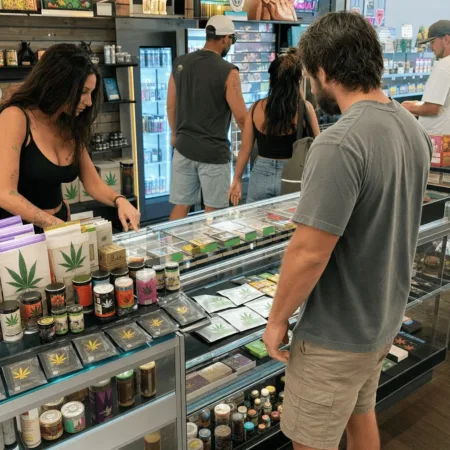
Minnesota THC hemp regulations didn’t appear out of thin air, they’re responses to local shifts, national trends, and legal history. When Congress passed the 2018 Farm Bill, it made hemp with less than 0.3% delta-9 THC federally legal. But the devil is in the edible, this loophole led to a surge of hemp-derived THC edibles and drinks. Minnesota jumped into this space in 2022, becoming the first Midwest state to legalize retail sales of edible hemp-derived cannabinoids. The rapid market growth led to an explosion of gummies and drinks in convenience stores and wellness shops. This shift caught regulators a bit flat-footed and sparked debates about youth safety, labeling, and potency. As discussed in NORML and Minnesota’s own legislative archives, social attitudes have shifted, with more people open to regulated cannabis, but policymaking has struggled to keep pace. Many regions are seeing similar tensions, and there’s national interest in how states respond to new legal environments, especially when youth access becomes a concern, as seen in several high-profile incidents spotlighted in stories about policy debates over youth and cannabis.
Major Developments: Minnesota’s THC Hemp Law in the Spotlight
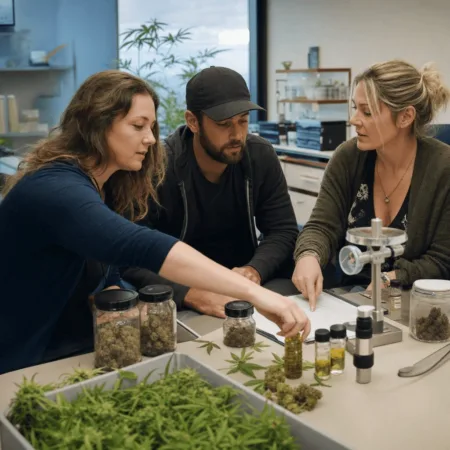
Fast-forward to 2024, and Minnesota is again at the center of the hemp-THC vortex. This spring, as reported by KARE 11 News, lawmakers proposed sharp new rules for the industry. The new framework would set limits on THC dosages per serving, require robust testing, mandate child-proof packaging, and give the Minnesota Office of Cannabis Management more oversight. This urgency is shaped by rising concerns, with critics warning about psychoactive products sneaking onto shelves as ‘hemp candy.’ Businesses and retailers across the state support safety improvements, but worry about overregulation stifling the sector. These reforms are being debated as a possible blueprint, especially with neighboring states watching closely and drawing lessons on the barriers and resilience facing the hemp industry nationwide. At the same time, opponents are calling for outright bans on hemp-derived delta-9 products, as Minnesota THC hemp regulations continue to evolve with dispensaries set to open in 2025, setting up a classic regulatory showdown.
Expert Analysis: Why Minnesota’s Approach Matters Nationwide
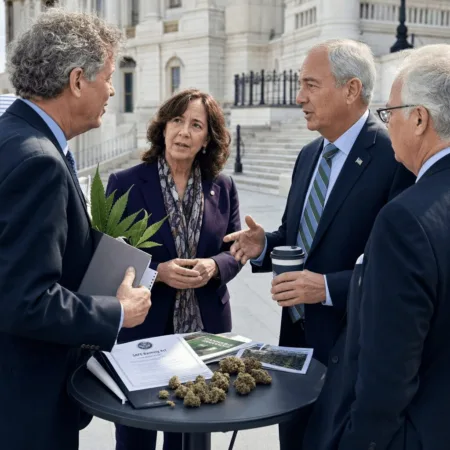
The expert debate is intense because Minnesota THC hemp regulations could set a key playbook for states everywhere. As Leafly columnist David Downs notes, “Minnesota’s law shows you can regulate hemp-derived THC, keep products safe, and not choke off an innovative industry.” New oversight in Minnesota creates potential for truly balancing safety and market freedom, an ideal many states haven’t achieved. If successful, it could become the gold standard lawmakers look to from New York to California. Industry analysts at Marijuana Moment echo these views, stating that strong regulations build trust, which is essential for federal progress and social normalization. For local entrepreneurs, this can be the difference between thriving and losing ground to unregulated competition. Insights on resilient retail strategies under regulation can also be seen by looking at recent cannabis retail application trends in Minnesota, as the state guides the next generation of cannabis commerce.
What’s Next? The Future for Minnesota and American Cannabis
Whatever happens with Minnesota THC hemp regulations, the stage is set for serious change. If lawmakers land the plane, they’ll send a message that smart, balanced oversight is the way forward. Already, neighboring states are studying Minnesota’s playbook, and national attention is building. Social acceptance of legal THC products continues to rise, according to Pew Research Center. Expect Minnesota’s story to echo far and wide—ultimately helping nudge more states toward freedom and sensible regulation. That means safer products, more industry growth, and a people-powered approach to cannabis that’s built to last. As the legal haze clears, the future for Minnesota and the industry nationwide is looking brighter by the day.
Originally reported by: kare11.com