





Cambridge cannabis retail applications: What you need to know
Cannabis culture in Minnesota is heating up, and Cambridge sits at the center of it. As the state’s retail landscape evolves, the surge in cambridge cannabis retail applications isn’t just paperwork—it’s a sign of bigger changes coming. With new applicants, regulatory hurdles, and vibrant community debate, what’s unfolding in Cambridge could chart the future for small-town cannabis across the Midwest. Here’s what every canna-curious local, entrepreneur, or advocate needs to know right now.
The Regulatory Roots: Understanding Minnesota’s Cannabis Market Shifts
The passage of adult-use legalization in 2023 positioned Minnesota as a new frontier for responsible, regulated cannabis sales. According to the Minnesota Office of Cannabis Management, a patchwork of municipal zoning laws and evolving state guidance is shaping where and how retail dispensaries can operate. Cities like Cambridge must tread carefully, balancing state licensing frameworks, local moratoriums, and deep-rooted public health concerns. The landscape is especially complex for small towns, where local leaders often face pressure from businesses and residents wary of rapid change (see MPR News for recent municipal cannabis debates). Municipalities managing these evolving frameworks often confront unique industry barriers and opportunities, similar to those outlined in this discussion on challenges in the hemp industry. This context explains why cambridge cannabis retail applications are more than routine paperwork, they’re a test case for the whole state.
Cambridge Cannabis Retail Applications: The Day the Tables Turned
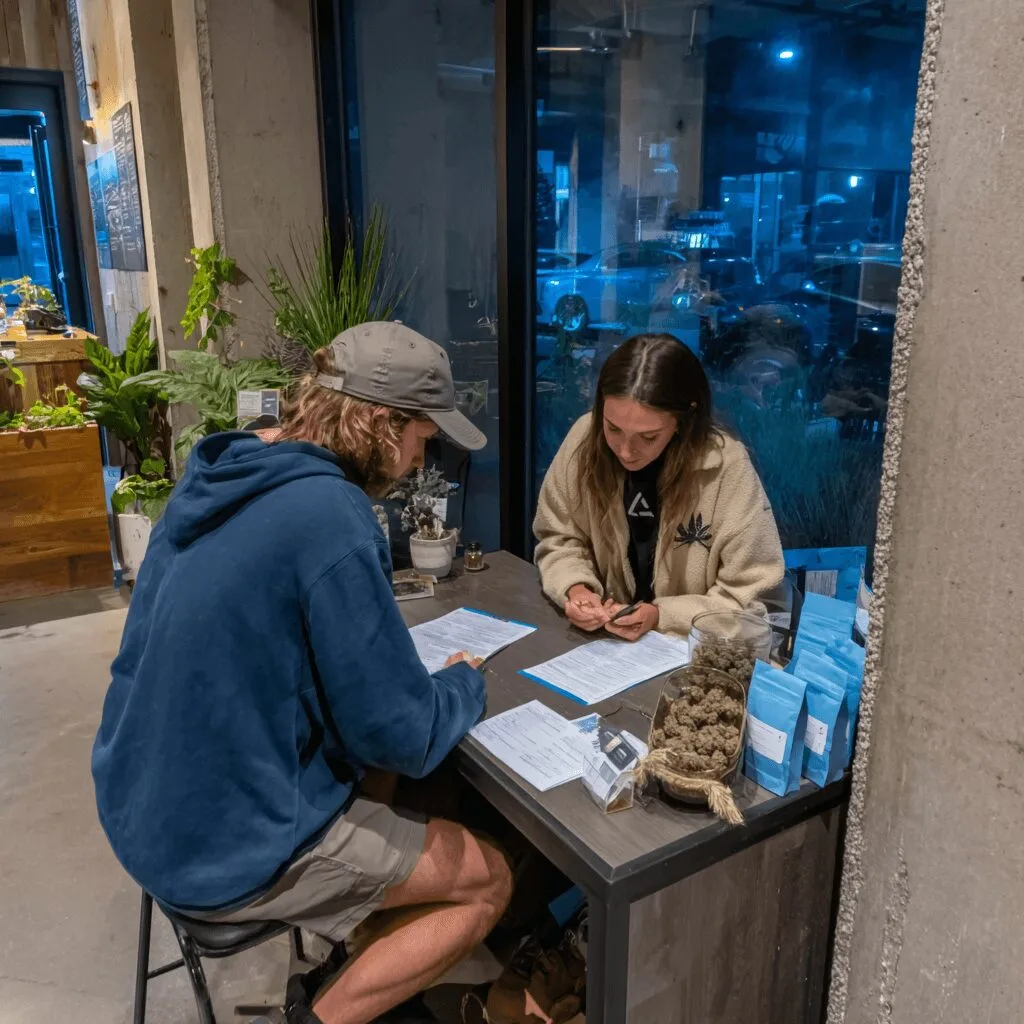
Let’s break down the recent action: On June 3, 2024, the Cambridge City Council tabled two separate cambridge cannabis retail applications submitted on the very same day, according to coverage from the County News Review. The applicants, both hoping to secure Cambridge’s first legal cannabis retail locations, included a locally owned LLC and a regional cannabis chain. Legal paperwork landed just as city officials debated where, when, and how retail shops should be allowed to open.
Through this process, city leaders demonstrated caution rather than haste, echoing permit controversies seen in other communities such as the recent Canyon Lake permit showdown, which underscores how local decisions can become community flashpoints. Rather than issue an immediate decision, Cambridge leaders chose to table both proposals, citing ongoing work to finalize zoning ordinances and business license vetting. It’s a demonstration of civic process, even if it means more waiting for would-be budtenders.
As articulated by Cambridge mayor Jim Godfrey, the priority is “making sure process, compliance, and community expectations all line up before the first cannabis shop ever flips its lights on.” It’s a methodical approach, reminiscent of similar, slow-roll deadlines in other parts of Minnesota, as noted by Star Tribune reporting on local cannabis implementation across the state.
Expert Take: Why the Cambridge Cannabis Retail Applications Matter
The Cambridge pause isn’t a sign of anti-cannabis attitudes, it’s a move toward thoughtful rollout. Industry insiders praise such caution. According to Lisa McCormick, editor at Marijuana Moment: “Early missteps can haunt new retail markets for years, Cambridge’s patience might save everyone a lot of headaches.”
From an economic perspective, small towns like Cambridge benefit immensely from even a handful of licensed shops. Jobs, tax revenue, and regulated supply chains all boost local prospects—as documented by a recent Leafly Jobs Report, which spotlights Minnesota as a high-potential cannabis jobs incubator. Socially, responsible, well-regulated delivery of legal cannabis is statistically linked to reduced underground sales and improved community safety (NIH research).
Many experts say the experience of other states points to the importance of labeling, secure packaging, and transparency, echoing trends highlighted in the evolution of cannabis labeling technology at recent industry trade shows. Authenticity, transparency, and education remain the best bud in the toolkit for cities navigating new cannabis territory.
What’s Next in Cambridge? Where Minnesota’s Cannabis Scene Grows From Here
Despite the delay, optimism is high in Cambridge. City leaders, entrepreneurs, and cannabis advocates all agree—open dialogue and flexible policy can create a model cannabis market for Minnesota.
The broader trend is undeniable: according to NORML, nationwide cannabis acceptance and regulatory clarity are the new normal. Expect more cambridge cannabis retail applications, more city council debates, and—soon enough—a few homegrown dispensaries providing safe, accessible cannabis to local communities.
The lesson? Community-focused, transparent processes are essential. Cambridge isn’t just deciding on two retail applications; it’s building a blueprint for responsible cannabis growth throughout the Midwest.
Originally reported by: hometownsource.com

1 Comment
Pingback: Minnesota THC hemp regulations: Will New Rules Set a Standard?