School Zone Drug Weapons Bust: Shocking Traffic Stop Secrets
If you’re following cannabis news, the recent school zone drug weapons bust has everyone buzzing. With legalization debates heating up and law enforcement scrutinizing cannabis near schools, this story highlights a critical intersection of public safety, social attitudes, and evolving regulations. We’ll break down what happened, why the context matters, and what it means for cannabis users, industry professionals, and policymakers alike.
What Really Drives the School Zone Drug Weapons Bust Crackdown?
Let’s be real, when cannabis, guns, and school zones collide, the headlines practically write themselves. Across America, legal cannabis laws are still bumping up against old-school prohibition mindsets, especially when it comes to safety around schools. According to NORML, penalties for possessing cannabis near educational institutions remain steep, even in states with legal recreational or medical markets. This is due in part to federal Drug-Free School Zone laws, which increase sentencing if contraband is found within 1,000 feet of a school. Add to that a patchwork of state-level rules, and you’re left with confusion for consumers, law enforcement, and the general public. At the same time, public opinion keeps shifting—recent Pew Research polling shows over 88% of Americans now support some form of legal cannabis, while debates about criminal justice reform and youth safety remain front and center. The arrest of a school superintendent on cannabis charges, which shook an entire education community, underlines just how significant and disruptive these legal intersections can be (see what happened in Macomb County). All this makes a school zone drug weapons bust not just a legal issue, but a cultural flashpoint.
The Traffic Stop, Details of the School Zone Drug Weapons Bust
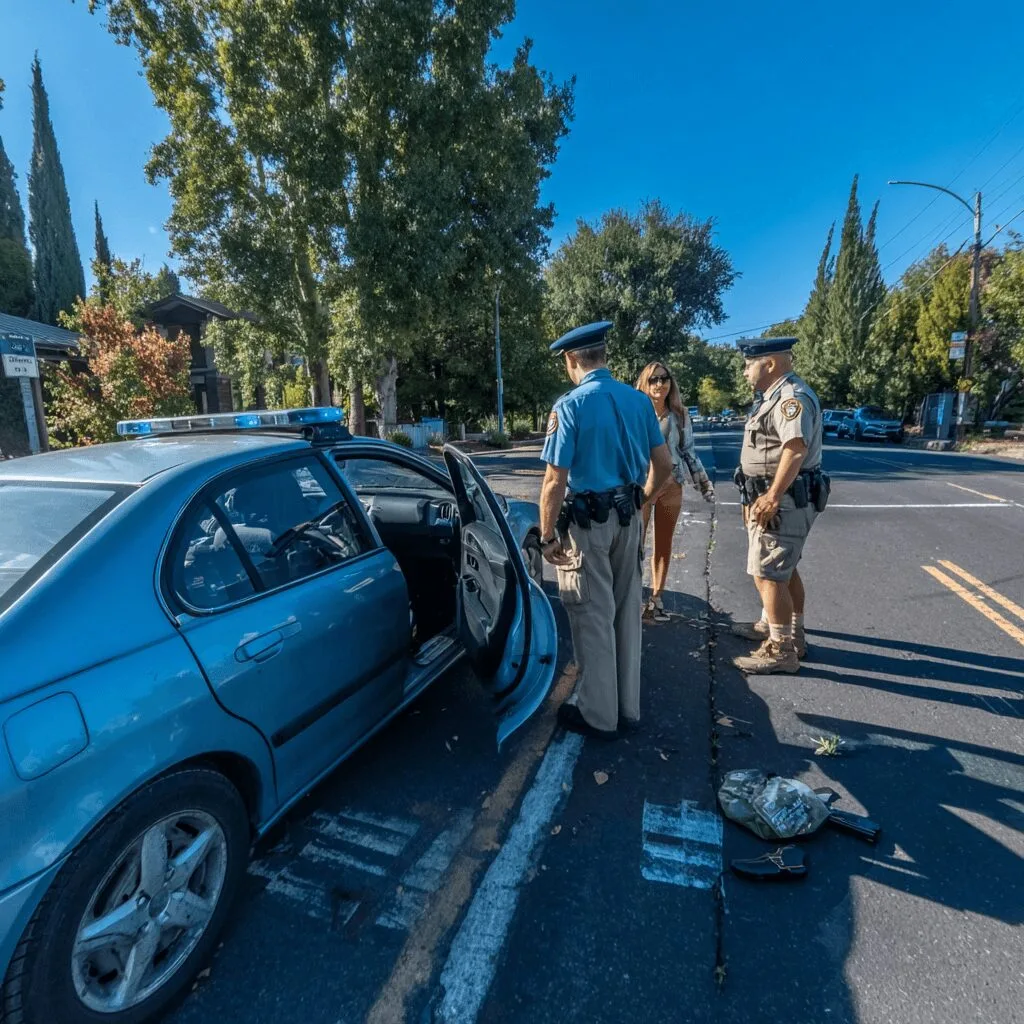
So what actually went down in this school zone drug weapons bust? According to KENS5 News, a routine daylight traffic stop near a Texas school zone took an unexpected turn when officers noticed suspicious behavior from the driver of a mid-sized vehicle. Upon investigation, police reportedly discovered several bags containing green cannabis buds and a handgun visible near the sidewalk. Authorities confirmed the incident occurred during regular school hours, with students and parents nearby. As per Texas law, cannabis remains illegal for general adult use, and enhanced charges apply for possession near school grounds. Local law enforcement stressed that both the cannabis and the unregistered firearm would trigger significant penalties under Texas statutes and federal Drug-Free School Zone guidelines. Notably, Texas lawmakers are also grappling with wider cannabis questions as they interview state agriculture officials about the ongoing ban on THC products, reflecting how incidents like these increasingly drive policy debate and new regulatory interviews in Texas (see exclusive reactions here). While the identities and affiliations of the individuals involved weren’t released, the incident has reignited local debates about equitable policing and school safety. This was the latest in a string of recent Texas busts involving cannabis, with law enforcement increasingly focused on areas around schools and community resources.
Expert Analysis: Parsing the School Zone Drug Weapons Bust, Cannabis, Policy & Public Perceptions
The school zone drug weapons bust is more than another headline, it’s a case study in the collision of outdated prohibition, modern cannabis realities, and genuine community concerns. As Marijuana Moment notes, school zones remain a legal gray zone, where state reforms routinely tangle with harsh federal and local penalties. “People have to realize that legal cannabis doesn’t mean an end to surprise enforcement or the uneven legacy of the War on Drugs,” says attorney and policy expert Shaleen Title in a recent interview. “This isn’t about cannabis being uniquely dangerous, it’s about outdated laws and public anxiety driving inconsistent crackdowns. If we want real safety, we need smart, science-driven policy, not knee-jerk busts that target marginalized communities.” Industry experts agree: incidents like this, along with similar small-town drug trafficking crackdowns that have recently made headlines, underscore the urgent need for lawmakers to update school zone policies so they reflect today’s reality (see the debate in Toccoa). As Leafly and MJBizDaily have reported, most enforcement remains disproportionately severe in minority neighborhoods, often creating more harm than good despite growing calls for safety and fairness. With new federal guidance expected soon, the outcome of cases like this will undoubtedly shape future cannabis reform efforts.
Where Do We Go From Here? Optimism for Smarter Cannabis Policies
While the school zone drug weapons bust story triggers plenty of worries, it’s also a wakeup call for balanced, fact-based cannabis reform. Legalization is moving fast, but so must updates to policies that disproportionately impact certain communities and lag behind the science. By engaging with lawmakers, promoting public education, and drawing on the lessons of incidents like these, the cannabis industry and advocacy community can push for nuanced rules that truly serve public safety and fairness. As outlined by The Cannabist, more states are already embracing common-sense reforms, seeking a smarter balance between access, safety, and equity. So while the headlines around school zone drug weapons busts may sting, the broader movement is bending toward smarter, more compassionate cannabis policy—for everyone, everywhere.
Originally reported by: kens5.com