

Right now, the spotlight is on hemp cannabis regulations as lawmakers revisit laws impacting local cannabis shops and producers. With shifting market trends, evolving social acceptance, and big legislative changes on the horizon, small businesses must stay sharp to survive. Recent debates are making headlines—potentially affecting product availability, business models, and community trust. This dive explores key changes, how industry leaders are responding, and what cannabis entrepreneurs should expect next.
Understanding the Landscape: Why Hemp Cannabis Regulations Keep Changing
Legal cannabis in the U.S. is a patchwork quilt. Each state manages hemp cannabis regulations differently, creating an evolving mix of opportunity and risk for everyone from grow room veterans to boutique shop owners. After the 2018 Farm Bill federally legalized hemp with less than 0.3% THC, the industry exploded. But, ongoing confusion between state and federal agencies persists. This regulatory fog means a single legislative tweak can upend supply chains or licensing, and social stigma lingers despite growing mainstream support. In states where zoning and regulatory changes occur rapidly, the impact on local businesses is significant, as seen with how looser marijuana rules are transforming local business landscapes in Delaware. According to NORML, market disruptions tied to regulatory shifts remain a consistent threat, and that’s exactly what Minnesota shops are currently grappling with.
Recent Shakeups: Minnesota’s Hemp Cannabis Regulations Put Pure Xhale at Risk
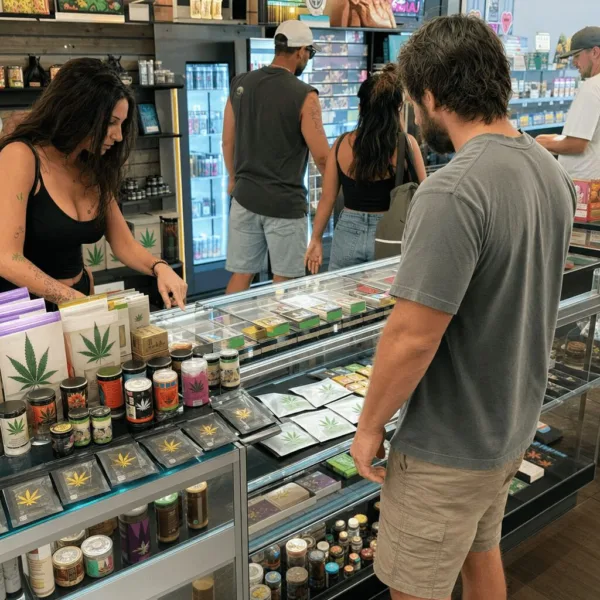
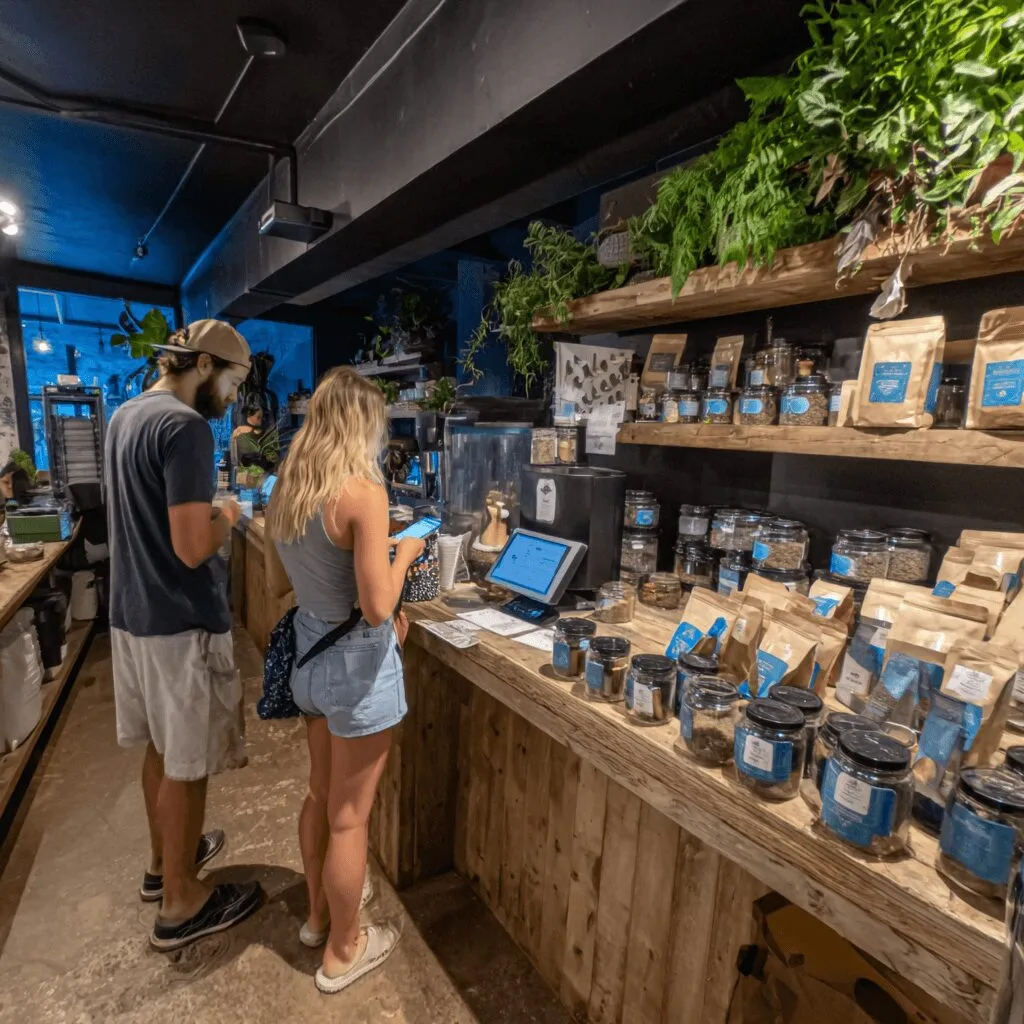
Pure Xhale, a locally owned Minnesota cannabis shop, is now in the center of the regulatory storm. According to a recent article by Hometown Source, Pure Xhale, along with several similar small businesses, faces an existential threat as lawmakers debate the future of hemp cannabis regulations in the state. Legislative sessions—like the recent one in Minnesota—can sometimes spark sudden regulatory shakeups, echoing the industry push for bold change experienced during Kentucky’s recent hemp regulation debates. Legislation up for review could force many previously legal hemp and cannabis products off the shelves. The pressure ramped up when Minnesota lawmakers reconvened in early 2024, discussing more restrictive limits on the types and concentrations of hemp-derived products, like delta-8 and delta-9 THC edibles. For Pure Xhale’s owner and staff, already reeling after the pandemic and climbing operating costs, these changes could be the final blow. Other shops across the state echo their anxieties, fearing abrupt product recalls, fines, or business closures. Minnesota’s Department of Health has advised businesses to follow current labeling and dosage rules strictly, but uncertainty lingers as decisions loom.
Expert Analysis: Why This Actually Matters, and Where We Go Next
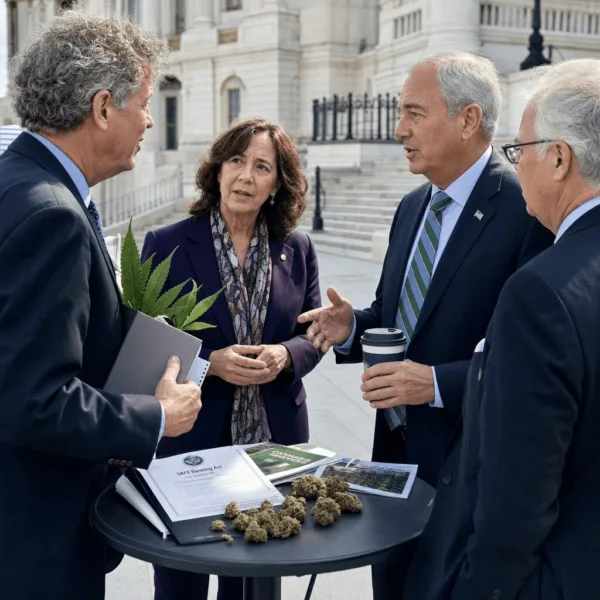
The bigger lesson here is how every legislative session reshapes the industry’s foundation. As Leafly’s experts point out, hemp cannabis regulations are like playing regulatory whack-a-mole: “Every new law, even well-intentioned, ripples through supply chains and daily business operations,” says cannabis policy consultant Sarah Foss. “But these challenges also push the industry into smarter, safer, and more innovative practices.” When rules change fast, retailers must act like seasoned growers—adapt, learn, and cultivate resilience. National industry data from Hemp Grower confirms the wide gap between state experiments and federal ambiguity. The back-and-forth between state and federal policy echoes global research progress, such as the recent advances in cannabis science in Brazil. While Minnesota lawmakers target synthetic THC sales, other states are opening doors for responsible retail and adult-use sales. The perfect storm? Not necessarily, organized advocacy and open dialogue between regulators and shop owners can inject sanity into the process, turning panicked headlines into collaborative progress.
The Road Ahead: Why There’s Still Room for Growth
Today’s uncertainty around hemp cannabis regulations is not the end—it’s part of the cannabis journey. The industry has weathered bigger storms before. In states like Illinois and Colorado, persistent advocacy, science-driven policy, and bold entrepreneurship have fueled regulatory change and booming retail success. As public support grows and policymakers recognize cannabis’s economic and social benefits, fairer and clearer rules feel inevitable. According to a 2024 Pew Research survey, nearly 9 in 10 Americans support some form of legalization—sending a clear message to lawmakers. If businesses stick together and advocate for smart, balanced hemp cannabis regulations, the industry’s best days are just around the corner. The next chapter looks greener—and more stable—than ever.
Originally reported by: hometownsource.com