

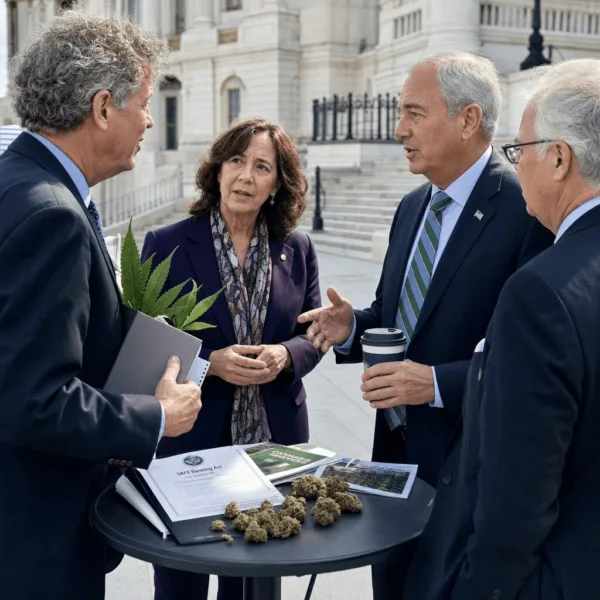



ARPA-H mental health initiative: Breakthroughs in Rapid Therapy
If you’ve been watching the intersection of cannabis culture and mental health, the ARPA-H mental health initiative just made real noise. With $100 million on the table, mental health science is getting some needed rocket fuel—especially around rapid-acting therapies, including psychedelic research and cannabis. The timing’s perfect: mental health needs are skyrocketing post-pandemic, and mainstream interest in plant medicines is soaring. As federal agencies pivot toward innovative solutions, the ARPA-H mental health initiative is front and center. Here’s what’s going down, why it matters for anyone who cares about healing, and what it all means for the cannabis community.
The Regulatory, Legal, and Social Backdrop: New Momentum for Cannabis and Psychedelic Therapies
The ARPA-H mental health initiative isn’t happening in a vacuum. For years, federal and state laws kept cannabis and psychedelics on lockdown, with severe restrictions on both research and access. But momentum has shifted: lawmakers in states like Oregon and Colorado have charted new ground for psychedelics, while more than 20 states have legalized cannabis for adult use. Federal agencies are waking up, too. The FDA granted breakthrough therapy status for psychedelic compounds for depression and PTSD, and a landmark Congressional bill recently aimed to expand research across the board, as reported by Marijuana Moment. In a global context, research initiatives are growing rapidly—including a major breakthrough in Brazil’s cannabis policy for scientific use—showing mounting international support. Meanwhile, mental health statistics are alarming, according to the CDC. Depression and anxiety rates climbed in the aftermath of COVID-19. The public’s appetite for fresh solutions (and less stigma) is finally being taken seriously, making the ARPA-H mental health initiative one of the boldest moves yet in public health innovation.
Key Developments: The $100M Bet on Rapid-Acting Behavioral Health Therapies
On June 12, 2024, Psychedelic Alpha detailed that ARPA-H—America’s Advanced Research Projects Agency for Health—launched a $100 million effort to speed up access to rapid-acting mental health therapies. The target: bridging the gap from clinical promise to real-world use, especially with fast-acting drugs like psychedelics and advanced cannabis derivatives. The project, tagged as NITRO—Novel Innovations for Treatment-Resistant Outcomes—aims to get solutions tested in days or weeks, not years. New safety requirements spotlight the need for quantitative microbial cannabis testing to safeguard patient health and quality. The initiative calls for collaboration between scientists, health systems, tech startups, and patient advocates. According to ARPA-H leaders, this isn’t just about funding science, it’s about busting taboos around the use of psychedelics and cannabinoids in mainstream medicine. The agency is encouraging researchers to move past old biases and put the focus on measurable outcomes, safety, and real-world impact.
Expert Analysis and the Cannabis Advocate’s Take: Why This Matters
The ARPA-H mental health initiative is a seismic shift. Where federal agencies once feared any headline linking cannabis and mental health research, they’re now driving the conversation around innovative, fast-acting options. As Dr. Rachel Knox, a well-known endocannabinologist, told Filter Magazine, “People are finally realizing the endocannabinoid system is central to mental wellness. Ignoring cannabis just means missing out on fundamental biology.” That’s straight wisdom—this kind of guidance is powering innovation in clinical care, and now clinicians are implementing leading harm reduction strategies that prioritize equitable mental health outcomes using cannabis as a tool. The ARPA-H mental health initiative isn’t just about new drugs, it’s about getting regulators, clinicians, and the public to embrace plant-based options as first-line treatments. It’s also a sign that top-down policy resistance is crumbling, as seen when the U.S. Department of Health and Human Services recommended rescheduling cannabis. What’s at stake now is bigger than investment dollars—it’s the legitimacy of a field that’s been sidelined for decades. The cannabis industry, with its long history of grassroots advocacy and patient-driven reform, is more relevant to this mental health revolution than ever.
The Road Ahead: Cannabis, Psychedelics, and the Future of Mental Health
The ARPA-H mental health initiative is just the start. With $100 million in play, federal support, and high-profile researchers on board, expect even faster advances in both cannabinoid and psychedelic therapies. The next wave won’t just be about studies or policy papers but about everyday lives improved—think less stigma, faster relief, and more treatment options. The cannabis industry is perfectly positioned to drive this wave of change. According to Leafly’s 2024 mental health report, consumer trust in cannabis as medicine has never been higher. As federal reform accelerates and organizations like ARPA-H invest in innovation, we could see everything from insurance coverage for cannabinoid therapies to mainstream medical education on the endocannabinoid system. The future is wide open, and if the ARPA-H mental health initiative is any sign, plant medicine is on track to become a pillar of modern healing. Stick around—the revolution’s still young and the best breakthroughs are just around the corner.
Originally reported by: psychedelicalpha.com