



Brazil cannabis research: New breakthroughs and bold discoveries
If you’re tracking the global cannabis scene, it’s time to turn your attention to Brazil. Right now, Brazil cannabis research is making big headlines and changing the Latin American landscape. With newfound regulatory greenlights and a flourishing scientific community, this movement signals fresh opportunities and signals a vital turning point. We’ll cover the market’s momentum, key players making waves, and what these advances mean for Brazil’s place in the rapidly evolving cannabis industry.
The Legal Landscape: Brazil Cannabis Research Enters a New Era
Brazil hasn’t always been synonymous with progressive cannabis policy. For decades, tight restrictions slowed innovation and kept research underground. But recent years have seen a seismic shift thanks to persistent advocacy, mounting medical evidence, and changes to public opinion. According to Leafly, 2019 marked the moment when Brazil allowed the importation and prescription of cannabis-derived medicines, legitimizing therapeutic use for patients with chronic conditions. While broad cultivation and research lagged behind regional leaders like Colombia and Uruguay, the Brazilian Agricultural Research Corporation (Embrapa) is now authorized to conduct scientific cannabis studies. This isn’t just big, it’s a sea change, growing out of official recognition of medicinal and economic value. Major regulatory shifts, ongoing medical needs, and sturdy grassroots activism have created fertile soil for Brazil cannabis research to thrive. Changing laws and growing acceptance sometimes parallel stories in major enforcement actions elsewhere, such as those discussed in a recent analysis of multi-faceted marijuana drug busts. Social acceptance is on the rise as well, with figures from Cannabis Now Brazil reporting double-digit increases in public support for legal medical access.
Key Developments: Embrapa Gets the Cannabis Research Greenlight
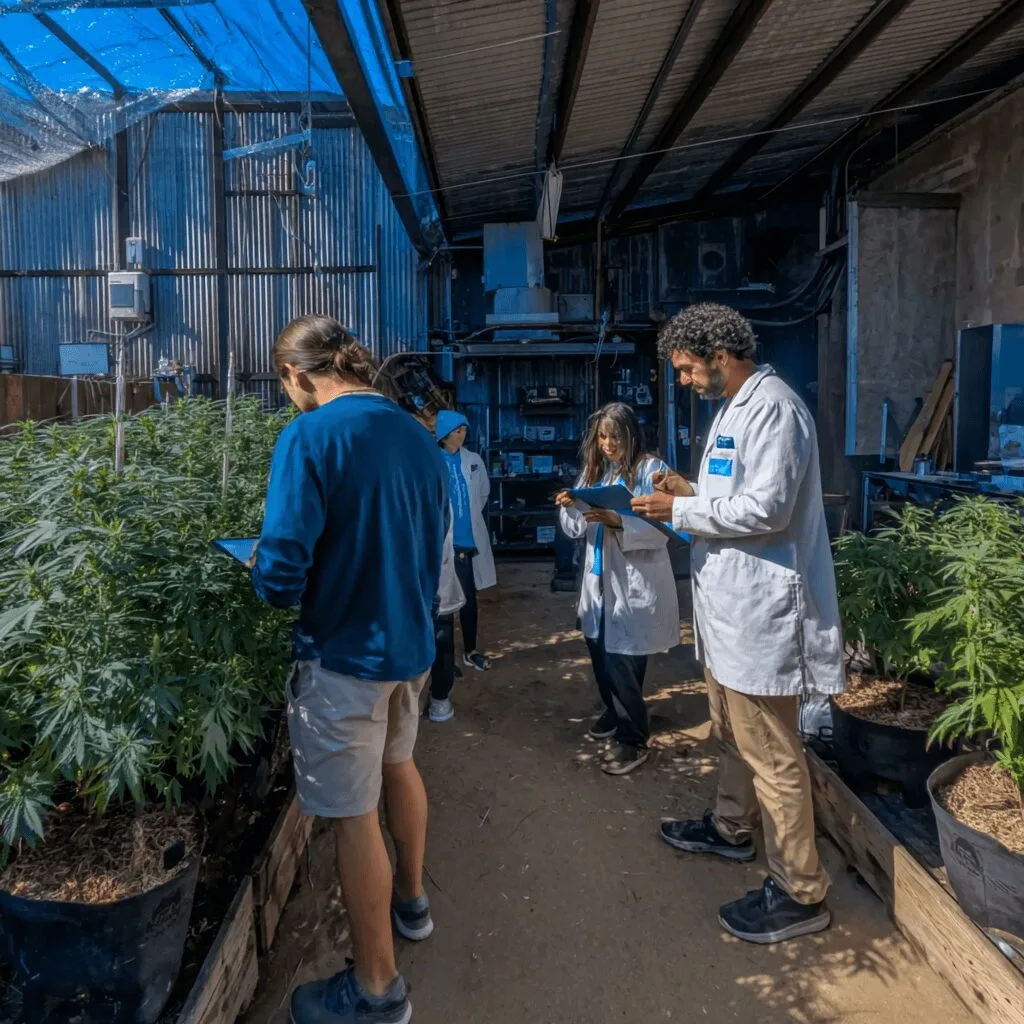
The latest, and truly groundbreaking, move came on November 21, 2025, when Embrapa, Brazil’s powerhouse agricultural research agency, secured official approval to launch cannabis research. According to KFGO News, regulators in Brasília gave Embrapa the go-ahead, making it the first major federal science body in Brazil authorized to experiment with cannabis plants. The agency’s primary focus lies in exploring how cannabis could become a high-value crop for farmers, and testing varieties that suit Brazil’s unique climate zones, which also connects with current global discussions on microbial safety and cultivation standards, like those explored in the science of microbial cannabis testing for safer, quality products. Embrapa’s research program covers everything from seed genetics to pest resistance and environmental impact. Early-stage investigations will center on pilot greenhouses, which are controlled, secure, and supervised by a multi-disciplinary team. Legal constraints remain, with studies aimed squarely at medicinal and industrial potential, not recreational markets. This development follows persistent lobbying from patient organizations and progressive politicians who are convinced that harnessing cannabis research can drive economic growth and health innovation for Brazil. Regulators stipulate strict compliance with national anti-narcotics statutes and require transparent reporting. The news also positions Brazil alongside other Latin nations ramping up scientific cannabis studies, though local observers note that federal-level support marks a unique turning point. Some comparisons can be drawn to safety and enforcement practices highlighted during incidents like the major extraction lab busts that highlight regulatory needs.
Expert Insight: Why Brazil Cannabis Research Matters Globally
Let’s break it down as an industry insider: Brazil’s research push isn’t just good news for the home team, it represents a massive leap for South America’s position in the global cannabis market. According to Business Insider, the continent’s strategic biodiversity offers unmatched opportunities for genetic research and product innovation. One example is cross-breeding cannabis for tropical resistance, which could set new agronomic standards worldwide. Concerns about bridging medicine and marketplace often echo in contemporary clinical care debates, as seen in initiatives on integrating harm reduction and mental health with cannabis. Voices from inside the greenhouse are fired up as well. As Ricardo Macedo, a plant geneticist affiliated with Embrapa, shares: “We finally have a green light to explore the plant’s enormous potential. We want to provide farmers and patients with real science-backed solutions, not just hype.” (Cannabis Magazine). Brazil cannabis research is also seen as a way to bridge medicine and the marketplace. Initiatives like Embrapa’s can bring legitimacy to medical cannabis and stimulate agribusiness innovation, expanding the country’s influence in the ever-growing global sector. Experts suggest this model could inspire regulatory reforms elsewhere, opening opportunities for collaboration with world leaders in cannabis science. Cutting-edge research from Brazil could shift international conversations around efficacy and safety, making high-quality data accessible worldwide.
Growing Forward: The Future of Brazil Cannabis Research
The wind is at Brazil’s back, but the work is just starting. Smart regulation, transparent research, and educated public discussion will be critical as the country charts its cannabis future. If Embrapa’s breakthroughs spark further investments, Brazil could emerge as a top player in science-based cannabis cultivation—and potentially start exporting tech and expertise around the world. As Marijuana Moment points out, the increasing social acceptance and legal clarity could ignite a domino effect through Latin America’s cannabis policy sphere.
Brazil cannabis research stands as a beacon for others pushing toward health innovation and economic opportunity. With each bold step forward, the global cannabis community gets a little stronger, a little wiser, and a lot more connected. The future’s looking lush and full of possibility.
Originally reported by: kfgo.com


1 Comment
Pingback: ARPA-H mental health initiative: Breakthroughs in Rapid Therapy