



Missouri kratom company investigation uncovers shocking truths
Right now, the Missouri kratom company investigation is generating serious buzz, pulling focus onto an industry that’s been riding a wave of mainstream curiosity and controversy. With kratom shops springing up alongside cannabis dispensaries across the Midwest and more eyes on plant-based wellness than ever, what unfolds here could shape policies and public trust nationwide. If you’re tapped into legal weed, herbal supplements, or just local news, this investigation matters. We’ll break down what happened, how it fits in the broader cannabis and botanical landscape, and why every cannasseur and advocate should care—even if you’re more about flower than powder. Let’s dive into the key facts, bigger industry implications, and what’s next for Missouri and beyond.
Understanding the Scene: Regulatory, Social, and Market Context
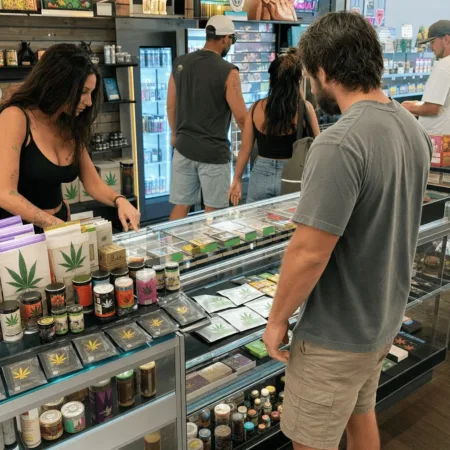
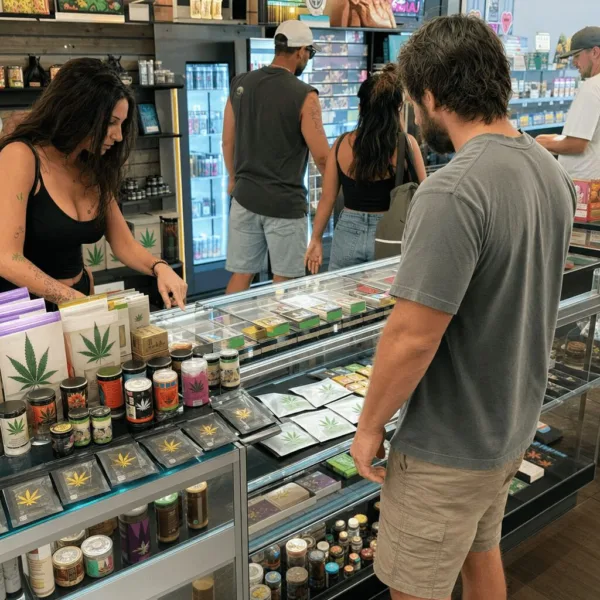
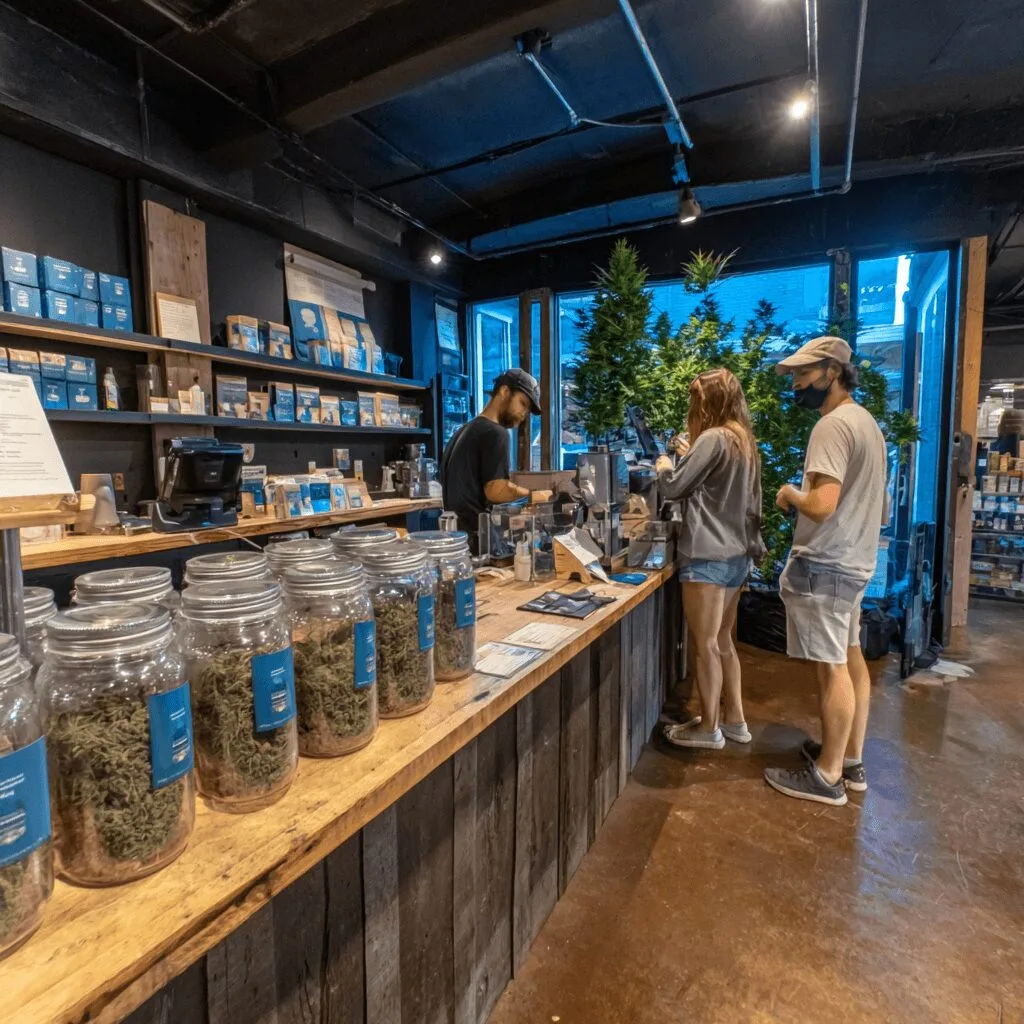
If you’ve ever strolled through a Missouri shopping plaza lately, you’ve spotted kratom and cannabis shops rubbing elbows with donut joints and vape bars. But when it comes to legality and oversight, the two products are on very different journeys. While Missouri’s cannabis market enjoys a robust framework, with deep changes happening nationwide as seen in the real impact cannabis possession laws have on local communities, kratom’s wild west status keeps lawmakers, advocates, and skeptics on their toes. According to the DEA, kratom’s legal limbo is rooted in debates over its medicinal use and safety, with states like Alabama banning it, while Missouri takes a more laissez-faire approach. Social acceptance, meanwhile, is growing, driven by veterans and chronic pain communities seeking alternatives to opioids, a trend supported by research from credible institutions such as the NIH. Still, the Missouri kratom company investigation highlights ongoing tension between lax oversight, consumer safety, and the evolving cultural embrace of plant medicine. As cannabis culture goes mainstream, kratom finds itself at the crossroads, and what happens next could echo far wider than Missouri’s borders.
What Went Down: Key Developments & Issues Revealed
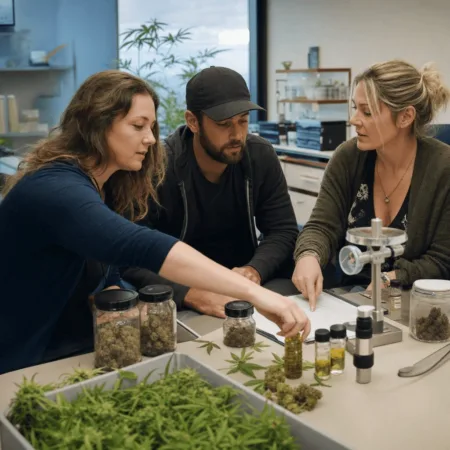
Let’s break it down. According to The Kansas City Star, the Missouri kratom company investigation zeroed in on a Springfield-based distributor accused of mislabeling products, failing to meet safety standards, and skirting transparency. The probe launched after several consumers reported adverse effects and inconsistencies between advertised product benefits and the actual experience. The Missouri Department of Health and Senior Services, stepping in around early 2024, uncovered a range of compliance gaps, from improper labeling (lacking dosage info and safety warnings) to questionable sourcing of raw ingredients. In some reported cases, kratom powder included impurities, triggering a cascade of local complaints and prompting formal testing. The shop at the center, Greenleaf Botanicals, now faces ongoing scrutiny, potential fines, and a wave of negative PR. State regulators have made it clear: the days of turning a blind eye to sloppy quality control are over. In light of continuing changes in the cannabis and plant-based market, it’s useful to look at how updates to marijuana testing legislation have shaped consumer safety standards in other states. Consumers, as well as nearby cannabis dispensaries, are watching closely, knowing the fallout might impact regulatory appetite statewide. This Missouri kratom company investigation isn’t isolated, and it’s become a flashpoint for the whole alt-wellness scene in the Midwest.
Expert Analysis, Industry Insights, and Defending the Plant
From my vantage point, longtime cannabis enthusiast, proud advocate, and veteran of community forums, this Missouri kratom company investigation is much bigger than one misstep or one store. Here’s the thing: every industry that explodes quickly wrestles with the tension between innovation and oversight. Quality control matters, especially in light of increasing awareness of potential product risks, like concerns around the safety of cannabis inhalation and the debate on the link between marijuana and lung health. But so does protecting access to promising plant-based wellness. According to the Marijuana Moment, “consumer safety and regulatory consistency are key to both legitimate business and consumer trust.” Industry analyst Jamie Evans notes, The cannabis world showed us, you win hearts, minds, and laws by embracing transparency, not avoiding it
(Forbes). The Missouri kratom company investigation proves the sector needs standardized testing, ingredient disclosures, and responsible marketing. But let’s not throw out ancient plant medicine with the bathwater—kratom remains a lifeline for many seeking alternatives to painkillers or just a little chill. This moment is a call for common-sense reforms, not prohibition. Cannabis, after all, overcame decades of stigma and inconsistent policies through activism, education, and holding bad actors accountable without punishing the plant or responsible shops. As trends continue evolving, including a growing discussion about the effects of substances like psilocybin and their impact on public health and emergency visits, as seen in the latest health data on psilocybin ER visits, we should demand the same evolution for other botanicals.
Looking Ahead: Hope, Reform, and Growth for Cannabis (and Kratom) in Missouri
The Missouri kratom company investigation is rattling the cage, but that’s not a bad thing. With headlines swirling and regulators stepping in, Missouri is poised for better, smarter oversight—echoing positive shifts we’ve seen in the cannabis sector. More than ever, communities are pushing for transparency, responsible retail, and policies that protect both consumers and entrepreneurs. According to NORML, the broader wave of plant medicine acceptance is here to stay, and responsible regulation will only help legitimate players thrive. For dispensary owners, advocates, and anyone passionate about safe, equitable access to plant-based products, this moment is proof that accountability and growth can (and should) go hand in hand. Let’s push for standards, empower consumers, and keep fueling the plant-powered revolution—in Missouri and everywhere the green wave rolls next.
Originally reported by: kansascity.com