




The Michigan marijuana business ban has become a major talking point after a small town voted to block what was slated to be a booming local cannabis market. With the legal weed scene expanding fast across Michigan, this ban jars against the wave of new dispensaries and green investment rolling out statewide. The story has stirred industry chatter, divided opinions on local control, and could signal new hurdles for business owners hoping to bring jobs and tax revenue to their communities. Here’s what happened, why it matters, and what it means for the future of Michigan marijuana businesses.
Michigan’s Evolving Cannabis Landscape: Regulatory & Social Backdrop
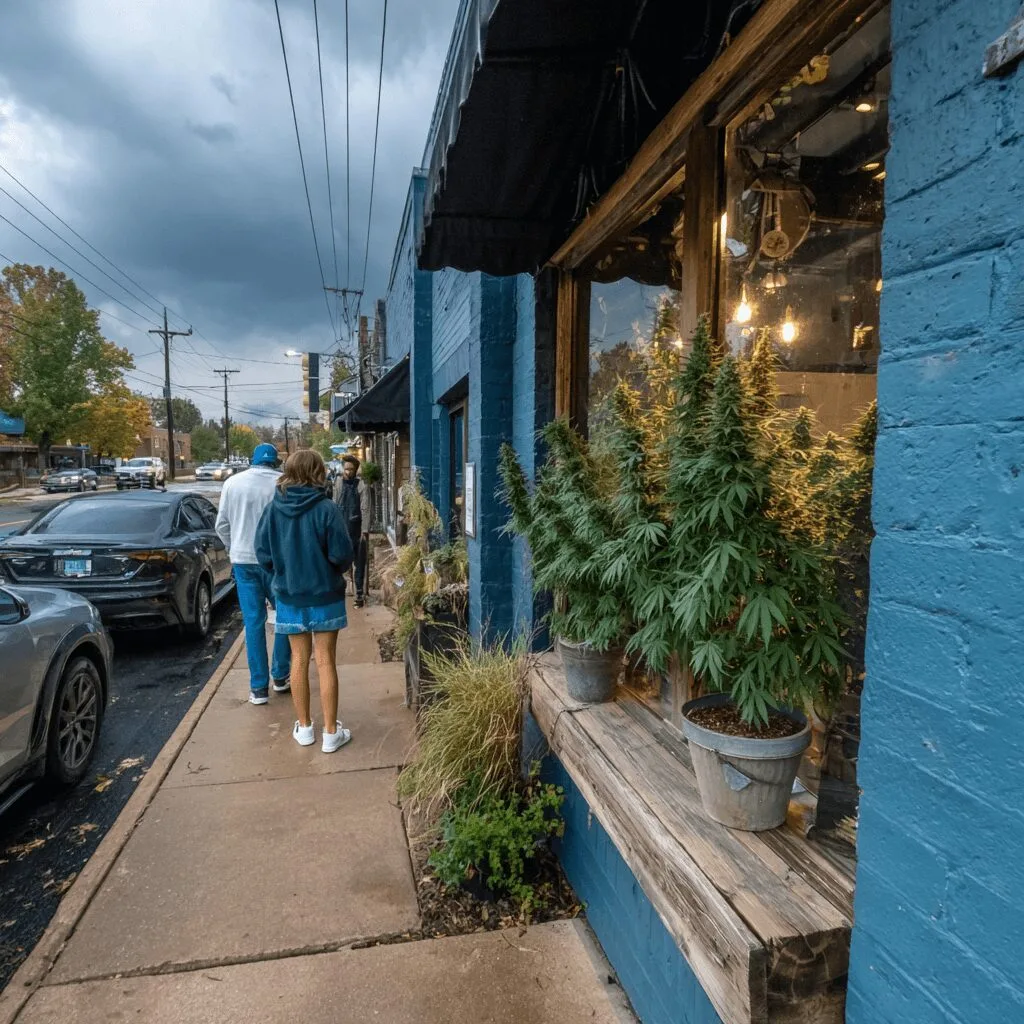
Let’s set the scene. Michigan was among the first Midwest states to legalize adult-use cannabis in 2018, according to Michigan’s Cannabis Regulatory Agency. Since then, local towns and cities have had the decision-making power to allow or ban marijuana businesses within their limits. This opt-in/opt-out rule, baked into early state law, was a nod to community self-determination, but also planted seeds for patchwork policies. Local boards, voters, and grassroots groups regularly sway the fate of dispensaries and grow ops. While business is booming in cities like Ann Arbor and Detroit, many smaller towns have remained cautious or outright said no, citing worries from old-school stigma to land use or youth exposure. MLive’s reporting reveals that less than half of Michigan municipalities allow marijuana businesses. This landscape makes the
Michigan marijuana business ban
not just a one-off story, but part of a broader push-and-pull defining local cannabis economies across the state. These patchwork bans aren’t unique to Michigan—recent regulatory changes in Sussex County show that local rulemaking continues to shape how cannabis businesses operate across the country.
Shocking Ballot: The Town’s Marijuana Mecca Plans Go Up in Smoke
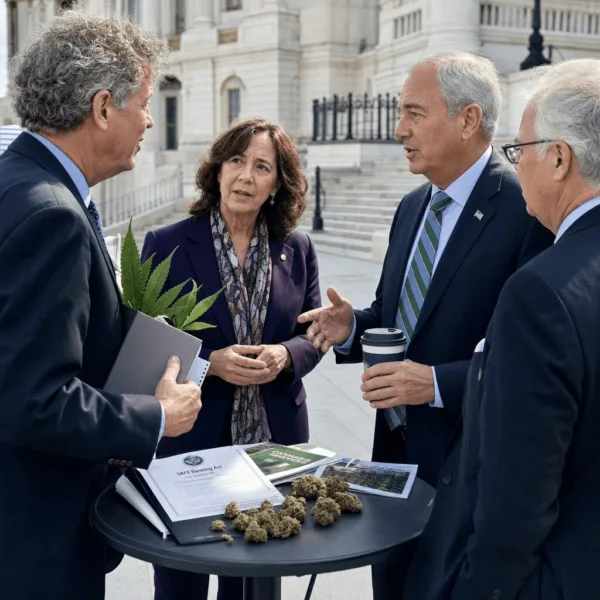
In late 2025, a town many industry insiders pegged as Michigan’s next cannabis hub faced a game-changing vote. According to MLive’s deep-dive article, local officials had made big moves to attract marijuana entrepreneurs, offering favorable zoning ordinances and streamlined permitting for dispensaries, growers, and even cannabis-infused product makers. Hopes were sky-high for economic revitalization, new jobs, and sorely needed tax dollars. But in November, voters entered the chat with a powerful referendum. Citing concerns over youth safety, traffic, and what some called a threat to the “small town feel,” the majority cast their ballots to ban all marijuana-related businesses within city limits. Among the affected: Green Heights Collective, a prominent cultivator that had already spent hundreds of thousands prepping for buildout. The town’s decision echoed in headlines, drawing responses from the state Cannabis Regulatory Agency and industry stakeholders. The ban put the brakes on what many had anticipated as the next big Michigan cannabis boomtown. It also highlighted how fast momentum can shift, from optimism to shutdown, literally overnight, when local sentiment turns. Developments like these mirror the situations in other states, like Ohio’s slow rollout of cannabis tax revenue to municipalities.
Industry Reactions: Disappointments, Lessons, and Deeper Issues
For cannabis entrepreneurs and advocates like me, the Michigan marijuana business ban stings, as much for missed opportunity as for the sense we’re still debating old fears. There’s a lot to unpack. According to the Marijuana Business Daily’s analysis, Michigan’s regulated market generated more than $2 billion in sales in 2023, supporting jobs from retail to agri-business. Bans like this can choke off economic lifelines, especially in small towns hungry for new revenue streams. At the same time, this vote reminds us that public education and trust-building remain central. Local bans point to communities needing honest conversations, not just glossy economic promises. As cannabis attorney and policy expert Matt Abel noted to Leafly News: “Until towns see that legalization does not bring chaos, some will err on the side of caution. But eventually, the benefits speak for themselves.” He’s right—in cities that leaned in, real-world data shows drops in illicit sales and boosts to public safety funding. While these local issues play out, similar regulatory lessons have been uncovered far beyond Michigan, such as the findings from Utah’s recent licensing audit. We’re not out of the woods, but as attitudes shift and the sky doesn’t fall, more towns reconsider.
The Road Ahead: Can Consensus and Cannabis Coexist?
This Michigan marijuana business ban is only a snapshot in a state whose cannabis story is still being written. Setbacks like these are frustrating, but they’re not the endgame—especially as industry leaders and local stakeholders keep showing up and sharing facts. With state regulators refining oversight and major polls showing growing public support for regulated access, hope springs eternal. According to recent release by Pew Research, nearly 6 in 10 Americans now back adult-use legalization. The lesson for advocates? Stay visible, engaged, and respectful—even in the face of no votes. Michigan’s cannabis community has the staying power and data to turn today’s bans into tomorrow’s wins. Here’s to greener, smarter days ahead!
Originally reported by: mlive.com


1 Comment
Pingback: Orlando marijuana traffic stop: What really happened?