


Montana hemp tariffs meeting: Missoula farmers take action
Right now, the Montana hemp tariffs meeting might be the hottest ticket in the state for anyone passionate about the future of American hemp. As the trade landscape shifts and tariffs stifle innovation, Missoula’s farmers are stepping up. They’re not only voicing real concerns about unpredictable policy—they’re also pushing for clarity and fair treatment. This is a grassroots movement with skin in the game. In this article, we’ll break down why the Montana hemp tariffs meeting isn’t just another farm gathering—it’s a litmus test for rural resilience and industry evolution.
Montana Hemp Tariffs: The Complex Roots Behind the Meeting
Let’s set the stage: Montana’s hemp industry has been riding a roller coaster for years, from the euphoric 2018 Farm Bill opening federal doors (USDA’s Farm Bill Implementation) to this ongoing pressure from market volatility and international policy. Tariffs, first levied as a response to global trade disputes, have echoed all the way to Montana’s backroads, echoing the challenges highlighted by recent federal restrictions and legalization efforts, not unlike federal cannabis policy changes. Add in state regulatory patchworks—just look at hemp’s shifting legal landscape per NORML’s state guidelines—and you get a climate of uncertainty. Montana’s farmers are battling not only market headwinds but also ever-changing compliance costs, testing fees, and ever-looming federal scrutiny. Socially, hemp’s reputation has improved, but stigma, confusion, and regulatory hesitation persist. According to Hemp Benchmarks’ 2023 report, fluctuating tariffs hurt rural economies most, discouraging local investment in both large-scale and craft operations.
On-the-Ground Developments at the Montana Hemp Tariffs Meeting
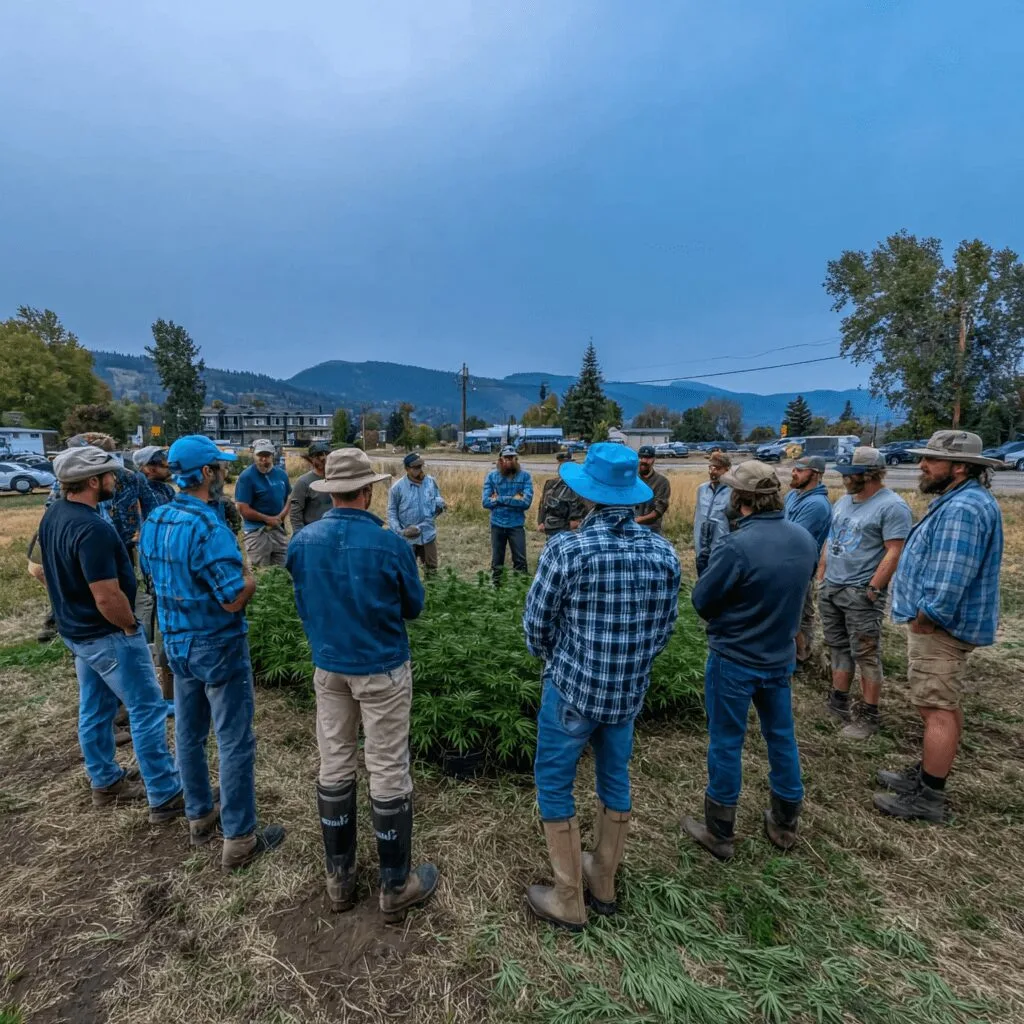
The heart of the matter? On a brisk Missoula afternoon, dozens of local farmers flocked to the Montana hemp tariffs meeting in search of answers and unity. Hosted near the city’s iconic slopes, the gathering featured members of the Western Montana Growers Cooperative and self-employed cultivators alike. According to Montana Right Now, the session zeroed in on tariff impact: unexpected fee increases that cut deeply into already tight profit margins. Several operators cited specific hardship, like facing doubled import taxation on equipment and seeds from Canada, as detailed in personal testimonies from Sam Wallace and Emma Grear—the region’s leading hemp producers. The date anchored itself as June 6th, marking a new chapter for industry advocacy. These on-the-ground concerns connected to broader changes, such as the evolving regulatory approach in major states, mirroring the way updated rules have affected the industry in Texas with recent legal shifts. Legal experts on-site highlighted how current trade rules intersect with state compliance, muddying the waters further. Uniform concern emerged when growers discussed the risk of fines for minor paperwork errors and the struggle to access fair market pricing amid state-imposed barriers. The message was clear: these obstacles aren’t just numbers, they’re survival-level stressors.
Expert Analysis: What the Montana Hemp Tariffs Meeting Signals for the Cannabis Industry
So, where’s the wisdom? Pull up a chair, because here’s where long-game industry knowledge shines. The Montana hemp tariffs meeting reflects a broader national struggle: American hemp wants to compete, innovate, and thrive, but regulatory whiplash and clunky tariffs keep tripping up progress. Dr. Ethan Russo, noted cannabis researcher and advocate, summed it up best in a recent interview with Cannabis Now: “When policies don’t keep up with the needs of farmers, everyone loses, especially in rural communities where every dollar is a lifeline.” As industry advocates point out, hemp regulations continue to impact communities new to legal markets, similar to the local changes seen as new dispensaries open and reshape their economies as in Rochester. Across the nation, states with streamlined hemp and cannabis tariffs (think Colorado and Oregon) have seen job growth, market stability, and more robust innovation. Montana’s struggle shows just how fragile positive momentum can be. The big-picture takeaway? Tariffs that punish rather than protect hurt more than hemp, they undermine rural wealth, limit medical research, and slow the green economy’s potential.
Outlook: Hope Grows at the Montana Hemp Tariffs Meeting
If you’re keeping score, here’s the good news—the Montana hemp tariffs meeting wasn’t all doom and gloom. The spirit in Missoula was defiant, energized, even hopeful. Farmers pledged to escalate their advocacy, call state reps, and keep educating neighbors. Industry experts see change coming, especially as more voters and lawmakers recognize hemp’s promise for sustainability and local economic growth. According to a recent Marijuana Moment analysis, bipartisan support for smart reforms is climbing. In Montana and beyond, the industry may still face uphill battles, but gatherings like this prove resilience runs deep. Expect more collaboration, smarter policy proposals, and louder rural voices—because when Montana hemp growers speak, the whole country is starting to listen. The path isn’t easy, but the future? It’s as green as a freshly harvested field.
Originally reported by: montanarightnow.com