




THC provision business impact: What Every Owner Must Know
The cannabis industry is buzzin’ with talk about the latest policy shifts—and for good reason. The THC provision business impact isn’t just a regulatory afterthought; it’s something that could make or break small business owners. As lawmakers hash out what gets greenlit, companies and consumers are both watching the fallout closely. From compliance headaches to new opportunities and real concerns for everyday operators, the outcome is critical for anyone with skin in the cannabis game. In this article, we’ll break down where things stand, what comes next, and what every canna-business owner should know right now.
The Highs and Lows, THC Provision Business Impact Background
The THC provision business impact comes at a pivotal moment for cannabis in the U.S. On one side, industry growth is surging, with dispensaries popping up everywhere from urban streets to sleepy small towns, as Marijuana Moment highlights in their latest market snapshots. But on the other side, businesses are balancing federal illegality and a crazy quilt of state-by-state laws. Recent government spending bills have introduced provisions specifically targeting THC content and product sales, designed to crack down on illicit markets and tighten consumer safety, according to the National Conference of State Legislatures. At the same time, the social stigma is rapidly fading, and legalization is gaining traction across political lines. Recent reforms, such as those seen in the Virginia cannabis retail system, showcase how retailers nationwide are adapting to the complex changes, offering insight into what buyers need to know about evolving cannabis laws across states. These rapid shifts create both challenges and fresh potential for innovation in the cannabis space, fueling an ongoing debate about how these provisions play out on main street America.
Key Developments & Real-World Issues, What’s Making Headlines
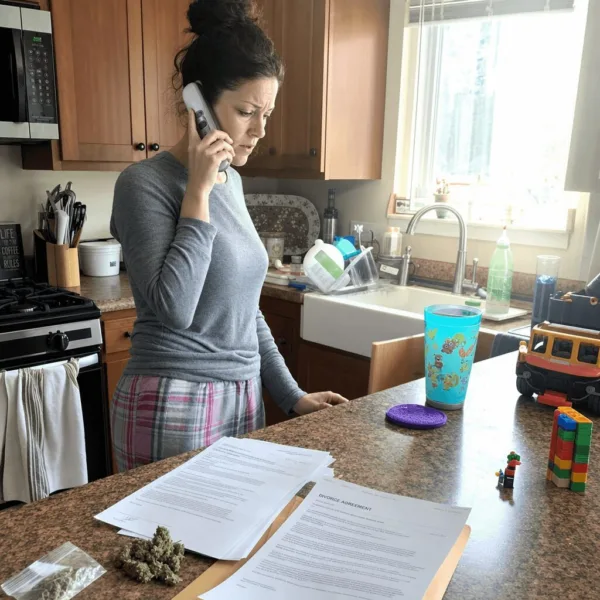
The latest government spending bill, which sparked urgent debate among business owners, includes a new THC provision restricting certain levels of THC in retail products. As broadcast on ABC News on June 11, 2024, local business owner Lisa Martin voiced concerns over the sudden regulatory changes. Martin, who runs Green Horizon Wellness in Colorado, explained that the new rule could force her to remove about 30% of her current inventory. The federal update, part of recent spending legislation passed by Congress, specifically limits delta-9 THC content in infused products, putting pressure on compliance teams nationwide. This federal intervention reflects a pattern of legislative impact, similar to how federal decisions on THC and CBD have disrupted cannabis operations across several states. While intended to protect consumers, these adjustments create heavy logistical and financial burdens for small shops, especially in markets where local laws previously allowed broader product selections. According to the Leafly Industry News desk, enforcement agencies have begun random, on-site inspections to monitor for compliant potency levels as of late May 2024. Several operators in Michigan and Oregon also report increased legal consultations to decode the latest compliance expectations, reflecting a trickle-down effect of federal action on local economies.
Expert Insights, Decoding the THC Provision Business Impact
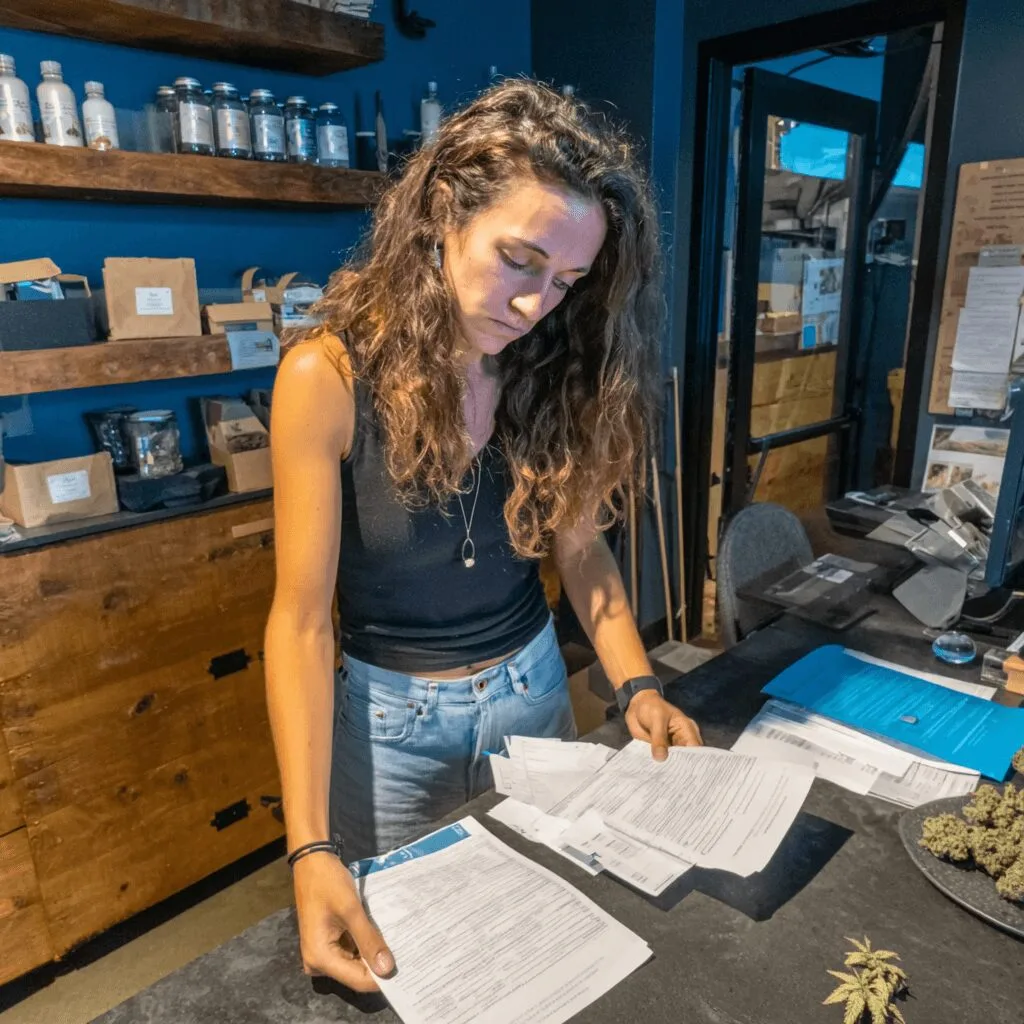
With all eyes on compliance, it’s easy to forget there are real humans behind those retail counters. As the MJBizDaily editorial board notes, many small owners feel blindsided by these shifts. “These kinds of midstream policy pivots are brutal for small operations, they’re the backbone of this industry and often lack the big legal teams to respond overnight,” says Eduardo Rayos, longtime cannabis consultant, during an interview with Cannabis Business Times. Industry experts point out that while the goal is to weed out bad actors and ensure safe consumption, the restrictions can paradoxically strengthen gray and black market activity if legitimate businesses are hamstrung by red tape. Social equity programs and community reinvestment initiatives are also at risk, with new compliance costs threatening the bottom line for minority and veteran-owned dispensaries (source). For communities watching cannabis retail closures, such as those in places like West Hollywood, these policy changes can ripple into job losses and reduced local options, igniting debates about the broader local impact (recent restaurant closures have underscored these consequences). Once again, the THC provision business impact reflects a delicate balance, supporting legitimate growth versus clamping down on perceived risks to public health. Industry insiders urge lawmakers to involve experienced operators in policy conversations, so these rules can be realistic and fair.
What’s Next? THC Provision Business Impact and the Future of Cannabis
Looking ahead, there’s still plenty of optimism among cannabis advocates and entrepreneurs. Despite the current regulatory roller-coaster, long-term trends are on our side. Major markets are maturing, public support for legalization continues to rise, and smart operators are finding new ways to stay compliant without losing their cool or their cashflow. As the team at Ganjapreneur says, resilience is baked into the DNA of this industry. With more open policy dialogues and ongoing investment in compliance technology, the hope is that new THC provisions will eventually help legit businesses thrive, not just survive. The THC provision business impact is real—but so is the determination to build a safer, fairer, and more innovative future. Let’s keep it moving—one legal puff at a time.
Originally reported by: abcnews.go.com

2 Comments
Whoa, talk about a wild THC ride! 😂 Sounds like lawmakers decided to play cannabis regulatory whack-a-mole again, didnt they? Poor Lisa at Green Horizon Wellness, trying to stock her shelves like normal, then *bam*! 30% of her inventory is suddenly too high? These sudden midstream policy pivots *are* brutal, especially for the little guys who are basically the industrys friendly neighborhood stoners running shops. Blindsided, indeed! While the goal of safety is nice, arent we just accidentally making the black market look like a party with fewer rules? Lets hope the next round of provisions brings a dictionary, not just more red tape! 📚🍃
Pingback: Cannabis Retail License Disqualification: Why So Many Fail?