


THC free hemp genetic editing: Breakthrough Discovery Revealed
Alright, fam, the future of hemp just got turbocharged. For anyone who’s wondered if science could steer genetics toward the greener (but legal) pastures, today’s news about THC free hemp genetic editing lands like a thunderbolt. This topic is blowing up right now, and here’s why: The market for non-intoxicating hemp is booming, fueled by shifting legal lines and the wellness revolution. But, with regulators breathing down the neck of farmers over THC content, one wrong molecule can spoil a whole crop season—and that costs real green. So, when scientists at UW-Madison dropped their THC free hemp genetic editing news, it hit home for farmers, manufacturers, and canna-enthusiasts alike. This is more than just lab coats and microscopes; it’s about access, freedom, and future-proofing an industry on the edge of serious change.
Why THC Free Hemp Genetic Editing Matters: Regulatory and Market Background
Let’s roll it back. Most U.S. hemp farmers operate under a strict regulatory microscope, thanks to the 2018 Farm Bill, which greenlit industrial hemp, so long as the crop keeps its THC below 0.3%. That microscopic margin for error has been the downfall of many a promising harvest, with whole fields getting the axe if THC creeps up. State agencies and the USDA are serious about enforcement, meaning farmers risk everything even with a slight genetic slip. Regulation and market anxieties aren’t unique to the U.S, with ongoing questions about hemp product legality in key states. For instance, shifting policies and interpretations, recently discussed in what everyone should know about hemp product legality in SC, reveal the high stakes farmers face nationwide. Meanwhile, market forces drive a surging demand for CBD and wellness products, but only if the crops stay compliant. In this world, THC free hemp genetic editing isn’t just academic. It’s the lifeline farmers and brands crave, and it’s a sign that science and law might finally be rolling a joint, so to speak.
Inside the Breakthrough: What UW-Madison Scientists Accomplished
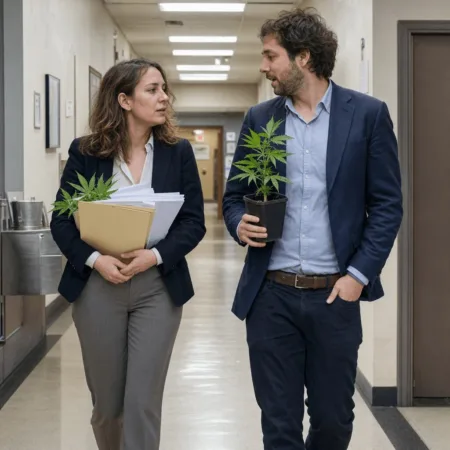
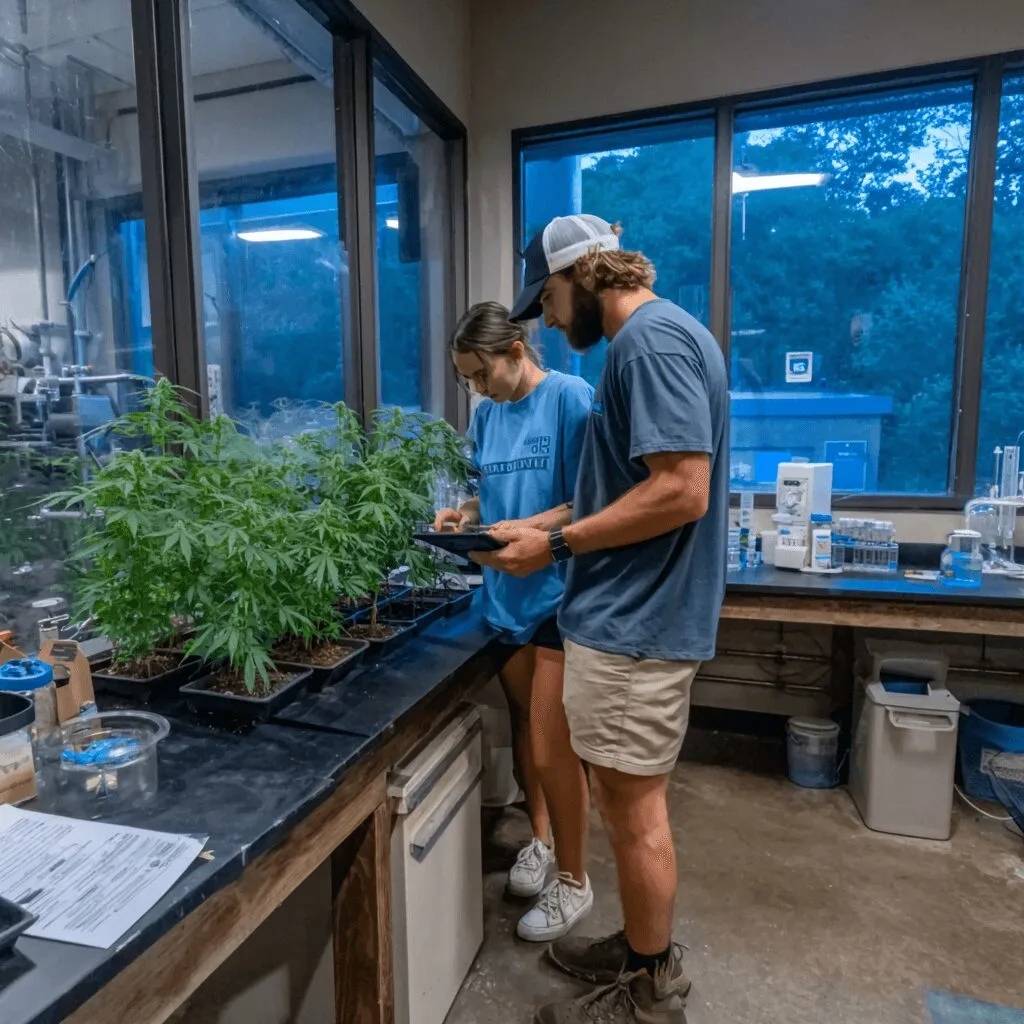
So here’s the news, according to WKOW News, UW-Madison researchers have successfully used cutting-edge genetic editing to produce hemp plants that can’t generate THC, period. This is pure game-changing energy. The team, led by plant geneticists Yang Yen and Lexy Kind, essentially snipped out the gene sequence that’s responsible for producing THC, the notorious part of cannabis that gets you high (and, let’s be real, gets regulators sweating). Their work focused on using CRISPR gene-editing tech, a tool celebrated across the life sciences for its precision and power. The first field trial, which hit headlines in mid-2024, saw dozens of THC-free hemp plants thriving under natural Wisconsin daylight, ready to pass the strictest compliance tests. In light of recent market volatility, such innovations are turning heads, especially given dramatic market movements, as detailed in recent Canadian cannabis market surges. Any trace of THC? Nope. It’s already drawing huge attention from the hemp industry, regulators, and even folks in the CBD and wellness scene eager for a clean win. This isn’t just another genetically modified plant story, it’s about rewriting the playbook for what hemp can be in a legally complex, innovation-hungry world.
Expert Analysis: Why This Genetic Editing Matters for the Cannabis Movement
Here’s what makes this discovery legit, it isn’t just about keeping lawyers and state inspectors happy. THC free hemp genetic editing could free up farmers from endless anxiety over random hot crops, while giving processors a reliable stream of consistent, compliant hemp. It could also open up new export markets once wallflower nations get on board. According to Hemp Grower, industry insiders believe this type of innovation moves hemp closer to mainstream acceptance. As noted by famed geneticist and cannabis advocate Dr. Ethan Russo, “Precision genetics can change the lives of farmers and consumers. It’s not about pushing boundaries, it’s about defining the future of safe, accessible cannabis.” These edits could simplify compliance, reduce risk and waste, and help the hemp industry scale without constant fear of government crackdowns. In broader context, science-led choices are also contributing to food security and resilience, as shown by cannabis leading the resilience revolution. And, let’s be blunt, it’s also about shaking off the stigma and proving that cannabis can play by the rules, while still delivering real value to everyone, from wellness warriors to industrial processors.
The Road Ahead: An Optimistic Take on Cannabis Innovation
Looking forward, it’s clear that THC free hemp genetic editing is more than a tech flex—it’s a big step in normalizing, legalizing, and optimizing the cannabis industry at large. We’re staring down a future where compliant, high-yield crops could fuel everything from textiles to therapeutics without tripping any legal wires. Industry visionaries, as reported by Leafly, see this as a blueprint for sustainable growth. As more states and countries update their laws and science sheds the old stereotypes, we can expect the hemp business to thrive in ways no one could have predicted even a decade ago. So here’s to smart science, smart policy, and a future where everyone—farmers, consumers, and the whole 420-friendly community—can win together. Roll on, progress.
Originally reported by: wkow.com