




RHOP cannabis brand feud: Real Receipts Spark Showdown Online
Right now, few pop-culture crossovers draw cannabis advocates’ eyes quite like the exploding RHOP cannabis brand feud. When high-profile brands and personalities step into the green space, sparks fly — but with real documentation and social call-outs, things are definitely getting interesting. Today’s showdown isn’t just about personalities — it’s about ownership, transparency, and how the cannabis market navigates controversy in the public eye. Let’s break down what’s happened, why it matters for the cannabis industry, and how receipts are fueling an online storm for both fans and insiders.
The Landscape Behind the RHOP Cannabis Brand Feud
Before this RHOP cannabis brand feud stole the limelight, the cannabis industry had already become a flashpoint. As seen in countless policy updates from NORML, legal reforms at state and federal levels create a patchwork of opportunity and confusion for ambitious entrepreneurs. In many states, celebrity brands bring major attention, but also intense scrutiny, as highlighted by recent coverage in MJBizDaily. Regulatory ambiguity, especially concerning hemp product legality as discussed in ongoing debates about state-level hemp policies in South Carolina, continues to raise industrywide questions. When you add TV drama, social firestorms, and increased rules around marketing, reputational landmines appear for everyone involved. Shifting advertising rules, market saturation, and evolving consumer preferences keep things unpredictable, making transparency and authenticity absolute essentials. For those stepping into this world, especially with cameras rolling, clear documentation and compliance can make or break market credibility.
RHOP Cannabis Brand Feud: How Real Receipts Lit Up Reality TV
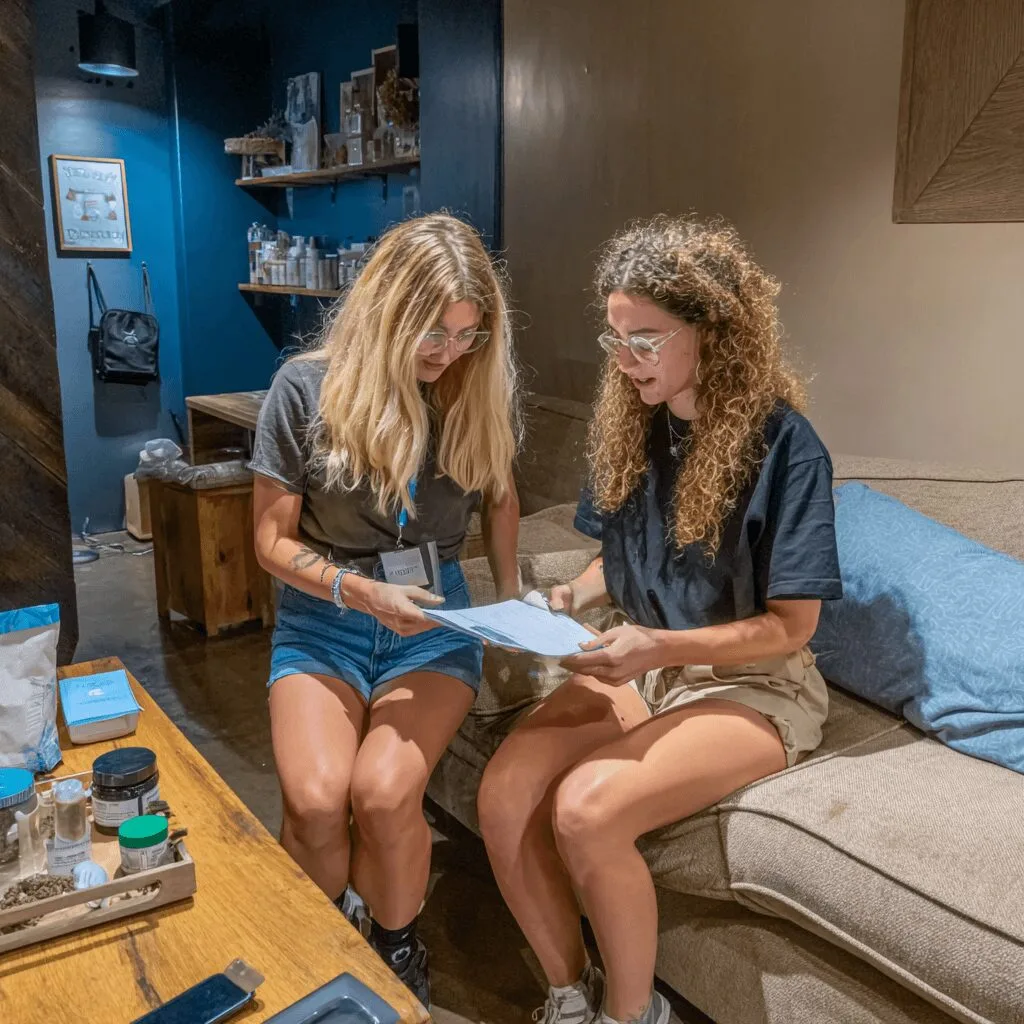
The latest spark in the ongoing RHOP cannabis brand feud came when Stacey Rusch presented receipts to defend her cannabis brand after allegations surfaced online. According to a recent exclusive interview with BravoTV, Rusch handed over documents to Wendy Osefo during a candid after-show moment, a scene now making waves among fans and industry observers alike. The dispute centers around the launch, marketing, and ownership transparency of Rusch’s cannabis line. The public debate highlights the broader context of government messaging and its ability to influence cannabis narratives, as seen by changing public sentiment during the most recent media coverage of government shutdowns and their effect on cannabis conversations. With questions swirling about who developed what and who’s actually behind the business, fans and critics alike have flooded social channels with speculation and heated discussion. Real documentation, shared mid-discussion in a relaxed, behind-the-scenes setting, brought new credibility to Rusch’s claims. This incident has driven renewed scrutiny on brand partnerships throughout the cannabis space and reignited discussions about best practices in public-facing brands.
Expert Analysis: Lessons & Industry Insights from the RHOP Cannabis Brand Feud
Drama aside, the RHOP cannabis brand feud exposes deeper industry realities. TV personalities entering cannabis markets must balance transparency with storytelling and risk major blowback if caught unprepared. As industry observers at Forbes point out, ‘Celebrity ownership is more than a marketing hook, it’s a regulatory and reputational gauntlet.’ What matters isn’t just planting your flag, but proving your stake every step of the way. Jamie Pearson, former CEO of Bhang, echoes this: “If the documentation’s not airtight and public-facing, you’re inviting controversy, especially on reality TV. Cannabis loves receipts.” Regulatory bodies are increasing their scrutiny and consumers crave authenticity, so every public misstep ripples throughout the market. These issues force industry leaders to also consider the health and well-being of those working within this rapidly evolving field, as reflected in studies on occupational health risks faced by cannabis employees. This feud has everyone in the green space rethinking how they present documents, handle business ownership disputes, and protect their brands in the age of instant social feedback.
The Road Ahead: Opportunity, Innovation, and the Future of Cannabis Drama
The RHOP cannabis brand feud shows how cannabis business transparency — even when delivered in the middle of TV drama — offers lessons for markets nationwide. Despite occasional public disputes, the industry grows stronger with every challenge. The latest NORML fact sheet notes that regulatory systems are evolving rapidly, opening doors for more accountable, consumer-focused brands. As cannabis continues its path from taboo to mainstream, future reality-TV battles may become a proving ground for best practices, industry standards, and cultural acceptance. We’re here for the ride — and with each new feud, the entire market learns to take receipts seriously, build better trust, and move toward a more equitable, transparent future.
Originally reported by: bravotv.com