





Georgia hemp THC ban: What Georgia Businesses Need To Know
The Georgia hemp THC ban is making big waves across the state’s wellness scene, forcing shop owners, consumers, and industry insiders to rethink what’s possible. With new legislative twists dropping fast, there’s a lot at stake—from everyday access to evolving business models. In this guide, I’ll break down why these changes matter right now, what the new laws mean for real people in Georgia, and how it all fits into the larger cannabis landscape. Stay tuned, because the future of hemp (and your favorite shop) just hit a fork in the road.
Why Georgia’s Hemp THC Ban Matters: Context & Cannabis Culture
The Georgia hemp THC ban isn’t just another state headline, it’s the latest chapter in America’s wild ride with cannabis regulation. Back in 2018, the 2018 Farm Bill (FDA) unleashed a wave of hemp entrepreneurship by making hemp-derived products federally legal, as long as they contained under 0.3% delta-9 THC. This green light led to a market for products like CBD, hemp flower, and even brand-new cannabinoids, each with its own legal wrinkles. Fast-forward to today, and Georgia’s lawmakers are taking a tighter grip, citing concerns about unregulated sales, youth access, and ambiguous legal loopholes. The state’s actions—mirroring moves seen in other conservative regions according to NORML’s Georgia law overview—demand rapid adaptation from businesses. For those watching the national conversation, it is reminiscent of how communities in places such as Miami Beach have experienced their own debates over marijuana enforcement, as seen by recent marijuana arrests sparking controversy over cannabis laws. Consumers now face confusion and frustration, while underground culture just calls it another hurdle, waiting to see which direction the market and regulators go.
Key Moves and Hot Issues: The Inside Line on Georgia’s New Ban
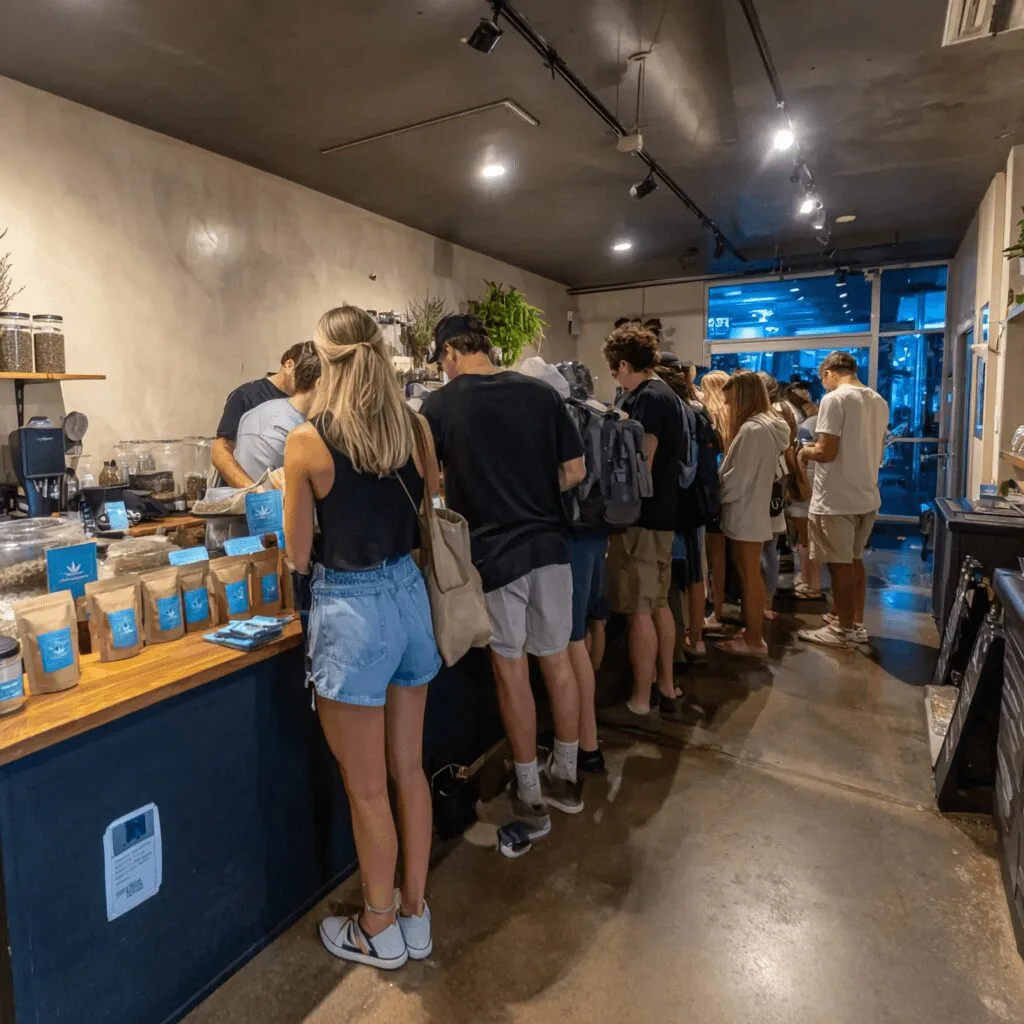
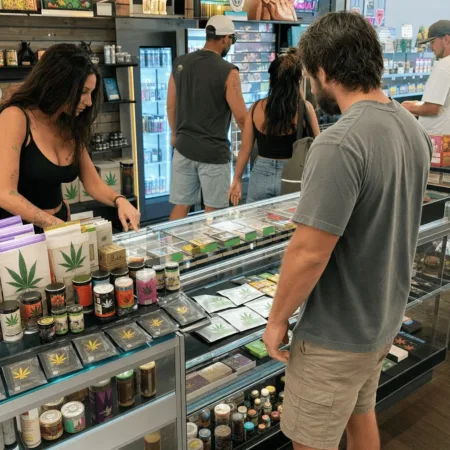
On November 15, 2025, according to The Current GA, the latest Georgia budget package quietly dropped a bomb on local hemp businesses, making it illegal statewide to sell hemp-derived products containing significant THC levels, including delta-8 and delta-10. The new rules instantly outlawed retail sales of those cannabinoids, leaving independent dispensaries and hemp shops scrambling for alternatives. While the legislation targets psychoactive compounds like delta-8—which blossomed in earlier grey areas—it also restricts access to many full-spectrum CBD and minor cannabinoid offerings, impacting hundreds of small businesses. Shops from Atlanta to Savannah, like Greenhouse Collective and Peach State Wellness (highlighted in The Atlanta Journal-Constitution), removed gummies, tinctures, and vapes from shelves overnight. Georgia’s Department of Agriculture confirmed the enforcement sweep would consist of spot checks and audits of hemp businesses across the state. This mirrors how local dispensaries, such as in Bronx communities, have faced pushback due to legislative loopholes—see how Bronx voices continue to shake up cannabis laws. As lawsuits are threatened and business owners worry about the future, everyone is left in limbo, waiting to see if popular wellness remedies may ever reappear.
Expert Deep Dive: What This Means for the Industry and Community
The ripple effect from the Georgia hemp THC ban reaches far beyond immediate product pulls, marking a turning point for cannabis regulation. Experts argue that these reactive bans show the struggle to define the boundary between hemp and marijuana, especially as science uncovers new cannabinoids almost monthly. Dr. David Nathan, founder of Doctors for Cannabis Regulation, has commented, “Sweeping bans rarely improve public safety, they tend to push consumers to unsupervised, unregulated markets.” Strict enforcement places both jobs and public trust at risk. Similarly, as seen in legislative changes in states like Massachusetts, evolving weed law reforms can significantly transform local markets and consumer access. The direction Georgia takes could echo how recent reforms have modernized the Massachusetts cannabis landscape. The smart path, according to industry analysts at MJBizDaily, involves stronger testing, enforcement of age limits, and policy dialogue with all stakeholders. Georgia’s next move will determine if common-sense regulation can prevail over short-term bans.
Looking Forward: Hope, Innovation, and the Cannabis Comeback
So where do we go from here? The Georgia hemp THC ban may be making headlines for all the wrong reasons, but it’s not the end of the story. Across the country, public support for cannabis reform keeps climbing, and more states are slowly recognizing the need for quality control and sensible policy over prohibition. As sources like NORML and Pew Research continue to show, the national mood is shifting: more education, more access, and smarter regulation are just on the horizon. For Georgia, this may be a detour rather than a dead end. Veteran advocates, science-driven policy folks, and everyday Georgians are making their voices heard—in town hall debates, courtrooms, and on social media. Don’t be surprised if the next consumer-driven wave brings legal clarity, safer products, and, yes, a lot more Southern hospitality in the hemp space. Despite bumps in the road, the cannabis movement likes to say: nothing grows in the dark forever.
Originally reported by: thecurrentga.org
2 Comments
Pingback: Psychedelic Therapy for Trauma: How Nova Survivors Heal
Pingback: Shocking teacher THC edibles arrest: Unpack the Angola classroom scandal