


Shenandoah Valley medical marijuana: Permit Updates & Delays
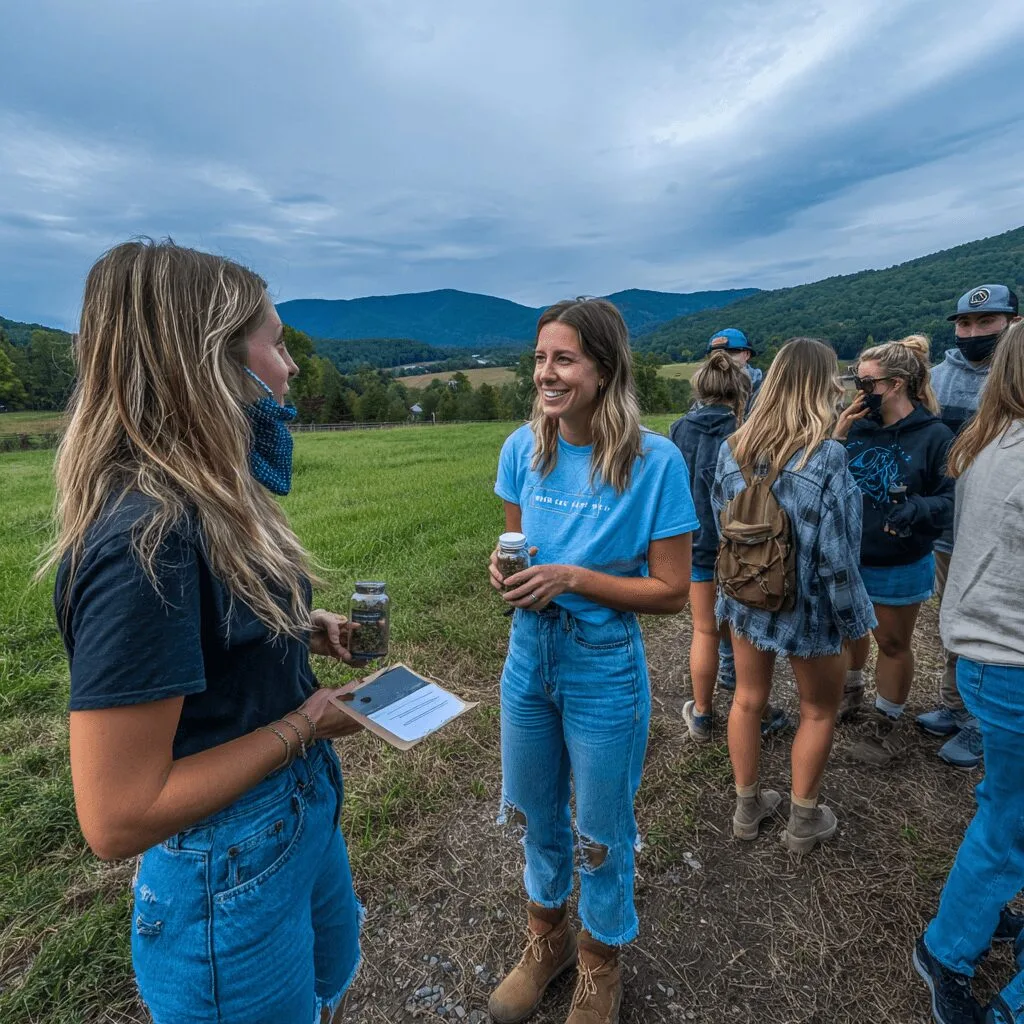
Interest in Shenandoah Valley medical marijuana has reached new highs thanks to recent regulatory changes, shifting social acceptance, and headline-grabbing permits. Patients and local advocates are tuned in as delays and legal shakeups ripple through the area. Right now, everyone is asking: When will Shenandoah Valley medical marijuana truly be accessible for those who need it? This article breaks down the latest industry moves, local reactions, and what it all means for the future of medical cannabis in Virginia.
Understanding the Regulatory Landscape for Shenandoah Valley Medical Marijuana
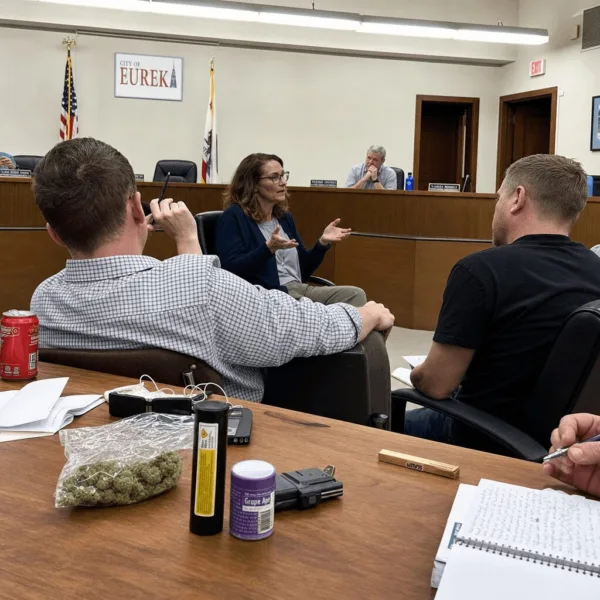
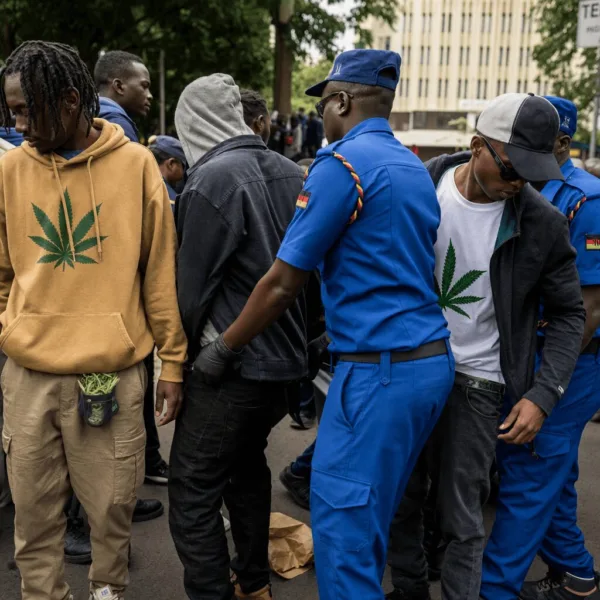
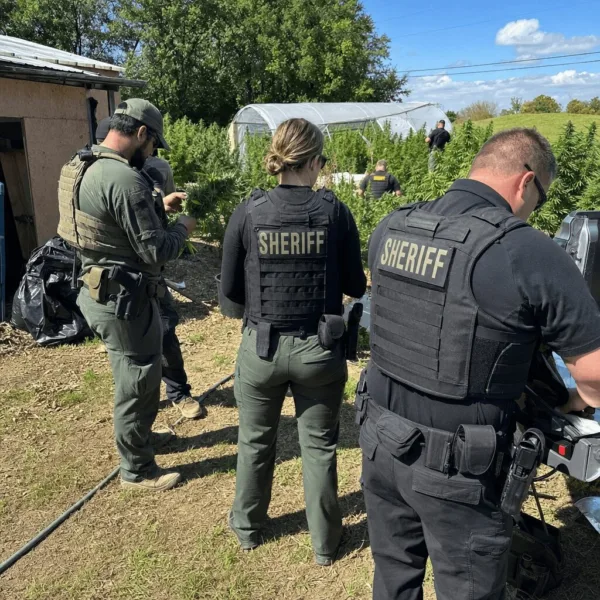
The growth of Shenandoah Valley medical marijuana parallels evolving cannabis policy across Virginia. Medical cannabis was legalized statewide in 2020, but the state’s tightly regulated program requires careful navigation. Dispensaries must secure permits from the Virginia Board of Pharmacy and face intricate local zoning laws, as tracked by the Marijuana Policy Project (MPP). Recent legislative sessions have prompted further reviews and updates, causing ripple effects for businesses and patients alike. Meanwhile, communities nationwide are reckoning with incidents involving cannabis and law enforcement, such as highway seizures, which echoes in the local conversation—an example can be found in one notable marijuana seizure that affected perceptions on both sides. Despite growing demand and cultural acceptance, only a handful of providers can legally serve the region. Local law enforcement, activists, and health professionals remain in active dialogue about proper implementation and patient protection. Virginia’s journey is part of a larger trend, reflecting the national patchwork of cannabis law that NORML calls the ‘era of incremental progress.’ Yet, Shenandoah Valley stands out for its community involvement and cautious optimism as neighbors and friends advocate for fair access and regulatory clarity.
Key Developments and Permit Delays: What’s Happening?
The Shenandoah Valley medical marijuana scene hit a major snag in spring 2024. Ayr Wellness, a multistate operator, faced delays due to a foreclosure process that threatened their Virginia operations, as reported by Virginia Business. The situation stalled patient access in a region already underserved. Legal filings revealed the company had unresolved debts with lenders Palm Tree Funding, which prompted the foreclosure movement. The Virginia Board of Pharmacy, tasked with overseeing program integrity, paused permitting for a new regional dispensary. Setbacks like these echo those seen in other states when regulatory hurdles or sudden shutdowns occur, similar to how communities in Texas are grappling with the impacts of abrupt THC business closures. Many patients, ready for reliable Shenandoah Valley medical marijuana therapies, were told to wait. Providers scrambled to reassure customers, with outreach groups and local officials fielding frustrated calls. While Ayr Wellness sought to resolve their financial dispute and retain a foothold, the timeline for expanded access remained uncertain by mid-2024. This delay has left questions swirling: will new players step up, or could current suppliers weather this financial storm?
Expert Insights: Industry Trends and Positive Framing
The setbacks in Shenandoah Valley medical marijuana access highlight both the industry’s complexity and its resilience. Financial instability and regulatory hurdles are hardly unique to Virginia; even established markets like California and Illinois faced rocky transitions, as noted by Ganjapreneur. However, most analysts see these obstacles as mere speed bumps, not dead ends. “It’s never easy being first through the door, especially when the rules keep changing,” says Emma Choi, a policy advisor quoted in MJBizDaily. She adds, “Companies with deep community roots and a patient-first approach usually come out stronger.” Looking across the U.S., we can find positive examples such as New York, where improving medical access to cannabis is having real-life benefits for patients going through similar reforms and successes. For Shenandoah Valley, this means tight-knit groups of medical patients and advocates will keep pushing for reform and support. The real-world impact of permit delays goes deeper than headline drama—patients facing chronic conditions, PTSD, or cancer need safe, legal cannabis access now. Industry leaders agree: collaboration between local officials, new operators, and state regulators is key to getting Shenandoah Valley medical marijuana back on track, delivering much-needed therapies to real people.
A Hopeful Future for Shenandoah Valley Medical Marijuana
Despite the bumps, the Shenandoah Valley medical marijuana story isn’t stuck in neutral. There’s strong public interest, supportive advocacy networks, and a demonstrated need for safe medical access. Nationally, states are updating rules and finding ways to integrate patient voices, as noted in Leafly’s analysis. Virginia’s ongoing legislative tweaks show a willingness to adapt, if sometimes a bit slowly. As issues like the Ayr Wellness foreclosure resolve and new licensees enter the scene, expect Shenandoah Valley medical marijuana availability to broaden. Optimism is well-founded: local patients and providers are resilient, and public opinion is increasingly pro-cannabis. With continued advocacy and responsible oversight, Shenandoah Valley will soon have a medical marijuana program worthy of its community. The future is green, and progress is steady—watch this space.
Originally reported by: virginiabusiness.com

1 Comment
Pingback: Shenandoah Valley medical marijuana permit updates & delays