




Cannabis Opioid Reduction: Discover a Safer Option Today
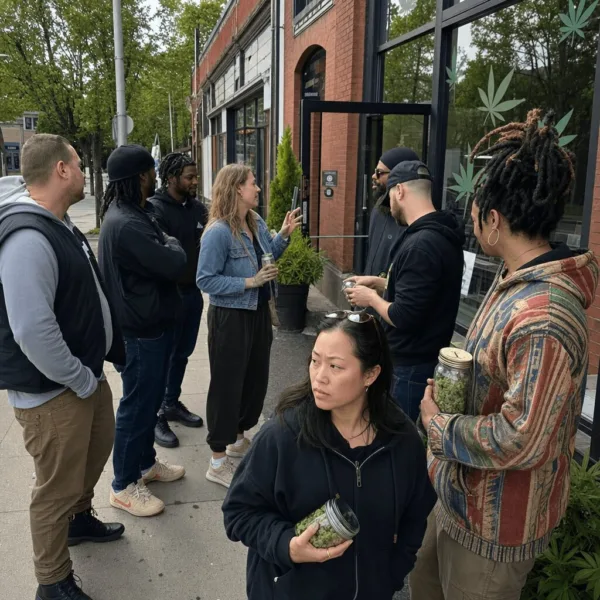
Let’s be real—the days of quietly accepting opioid use as the only answer for chronic pain are behind us. Across the country, conversations about safer pain management are heating up, and the idea of cannabis opioid reduction is catching fire. With fresh headlines and new research shining a light on cannabis as a harm-reduction champion—especially for patients with serious conditions like cancer—this topic is more than just buzzworthy. As folks reexamine old habits, learn about risks, and get curious about alternatives, understanding cannabis opioid reduction isn’t just smart. It might just save lives. Here’s what’s shifting, why it matters, and how cannabis is challenging the status quo in real ways today.
Background: Cannabis, Opioids, and the Pain Relief Dilemma
The opioid crisis hasn’t let up, and its effect on pain patients, as well as society, runs deep. According to the CDC, opioid overdose deaths remain at staggering highs, pushing policymakers and healthcare professionals to ask tough questions about traditional prescriptions. Enter cannabis, while its legal landscape is evolving (National Conference of State Legislatures), the movement toward broader medical use grows stronger every year. Regulators like the FDA have started to approve select cannabis-based medications, but federal-level prohibition still muddies the water. Socially, cannabis is finally shedding its stigma, driven in part by new science and firsthand patient stories about cannabis opioid reduction. As certain regions tackle new state rules, new cannabis retail limits in places like Menominee, Michigan highlight how laws continue to shape access and perception. The landscape reflects a balancing act, with cultures grappling with pain, legal reform, and a growing curiosity about plant solutions that challenge long-standing norms.
Key Developments: New Research Ties Cannabis to Lower Opioid Use
A recent Healio review spotlights breakthrough findings: cancer patients who can legally access cannabis appear to use fewer opioids overall, indicating meaningful cannabis opioid reduction. The research, drawn from robust patient data, shows that as medical cannabis access has expanded in several states, opioid prescriptions have dropped, especially among people dealing with severe pain from cancer treatments. The study tracked state-level policy changes and individual medical outcomes, building on earlier work published in journals like the JAMA Internal Medicine. The numbers don’t lie, in places where cannabis is legally available to patients, opioid prescription rates declined in parallel. While more investigation is needed, researchers and providers are buzzing about the link—one that could spell hope for those navigating the pain management maze and a dramatic shift in how providers think about risk versus relief. For families seeking alternatives, states like Nebraska and Iowa are also seeing interest inspired by real families turning to medical cannabis for pediatric epilepsy, which further contributes to the dialogue about expanded medical use.
Expert Analysis: Why Cannabis Opioid Reduction Matters
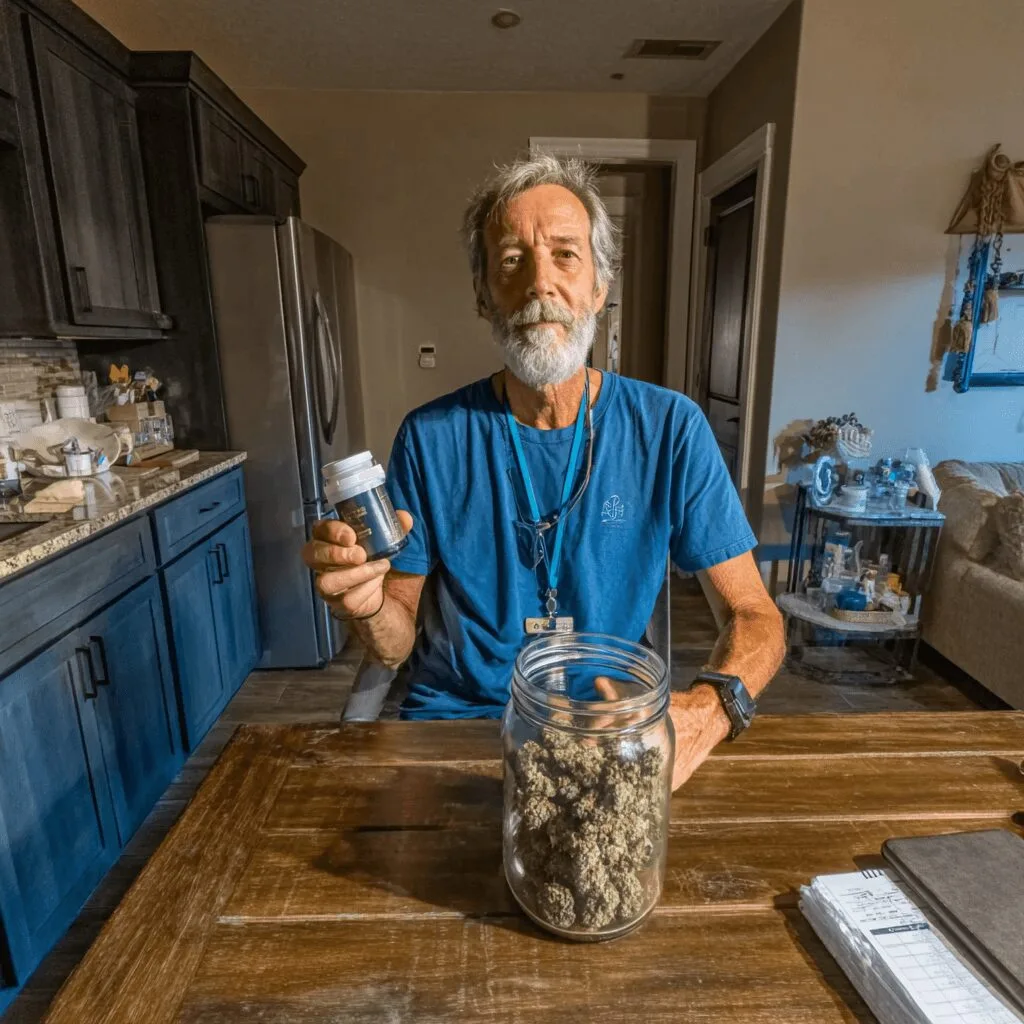
The news isn’t just groundbreaking, it’s common sense to those following the grassroots changes on the ground. Patients have long shared stories of switching from heavy-duty opioids to a gentler, greener choice. Now, the data is backing them up. Dr. Donald Abrams, a respected oncologist and cannabis researcher, told Cancer Network: “I have seen many cancer patients lower their opioid dose or stop altogether after starting cannabis. It’s a harm reduction strategy that finally has strong evidence behind it.” Cannabis opioid reduction is not anti-medicine—it’s pro-options, pro-logic, and pro-listening-to-patients. More healthcare professionals are open to prescribing medical cannabis, especially thanks to research showing it doesn’t just treat pain, but also can address nausea, mood, and sleep, factors opioids often make worse. Industry trend watchers forecast steady momentum as states decriminalize cannabis and expand access, hinting at a tipping point where cannabis opioid reduction might become standard, not fringe. As broader industry shifts continue, major growers and producers are adapting, seeking to meet demand for safer alternatives that support evolving medical practices.
Outlook: The Future Is Greener (and Safer) for Pain Patients
With clearer science and growing mainstream acceptance, cannabis opioid reduction is likely here to stay. Policy leaders, providers, and everyday patients are recalibrating the old scripts and recognizing cannabis for its real potential in pain management. Big hurdles remain—federal law, stigma, and insurance access, to name a few—but momentum keeps building. According to NORML, 2023 saw dozens of states roll out reforms aimed at safer cannabis access. Pain relief is finally entering a new era—one that respects science, patient voices, and the growing evidence that cannabis can help reduce opioid dependence without sacrificing comfort or dignity. The bottom line: from the kitchen table to the halls of power, cannabis opioid reduction is a story that’s just getting started.
Originally reported by: healio.com


2 Comments
Pingback: Kerala major drug bust: Massive Seizure Shocks State
Pingback: Utica cannabis landmark sign: Local Icon Making Headlines