





Cannabis Cultivation Technology: Where Heritage Meets High Tech
The cannabis world is in the middle of a massive evolution, and everyone from seasoned legacy growers to first-time entrepreneurs can feel the buzz. With more states opening up legal markets and technology getting slicker by the year, cannabis cultivation technology is driving higher yields, bolder flavors, and some truly mind-bending hybrids. This mashup of time-honored practice and digital precision isn’t just a trend—it’s turning heads across the industry and setting a whole new standard for quality and compliance. Let’s dive into why that matters now, what’s changing, and what’s next as cannabis cultivation technology reaches the spotlight.
Tracing the Roots: Legal, Regulatory, and Market Forces Behind Cannabis Cultivation Technology
Back in the day, most cannabis was grown in secret. But now, as legalization sweeps North America, the landscape has shifted considerably. According to data from Pew Research Center, the majority of Americans support legal cannabis. States like California, Colorado, and Illinois have set up frameworks for licensed production, requiring seed-to-sale tracking and strict environmental controls. These rules have put heavy demand on efficiency, traceability, and quality assurance, leading to the rise of cannabis cultivation technology. Notably, across the Midwest, local communities are experiencing significant public activism in support of change, as seen in Ohio where dispensary support is surging and fundamentally shaping how regulation and technology connect. Socially, cannabis isn’t just for the counterculture anymore. Medical advances are fueling fresh research, while once-shunned family farms are investing in digital solutions to keep up with competition and ever-watchful regulators. Globally, Canada remains an industry leader in legal cannabis innovation, with Europe warming to regulated medical supply. Each region’s rules shape how growers work, pushing continuous innovation in both their greenhouses and their toolkits.
Game-Changing Moves: Key Developments and Real-World Issues in Cannabis Cultivation Technology
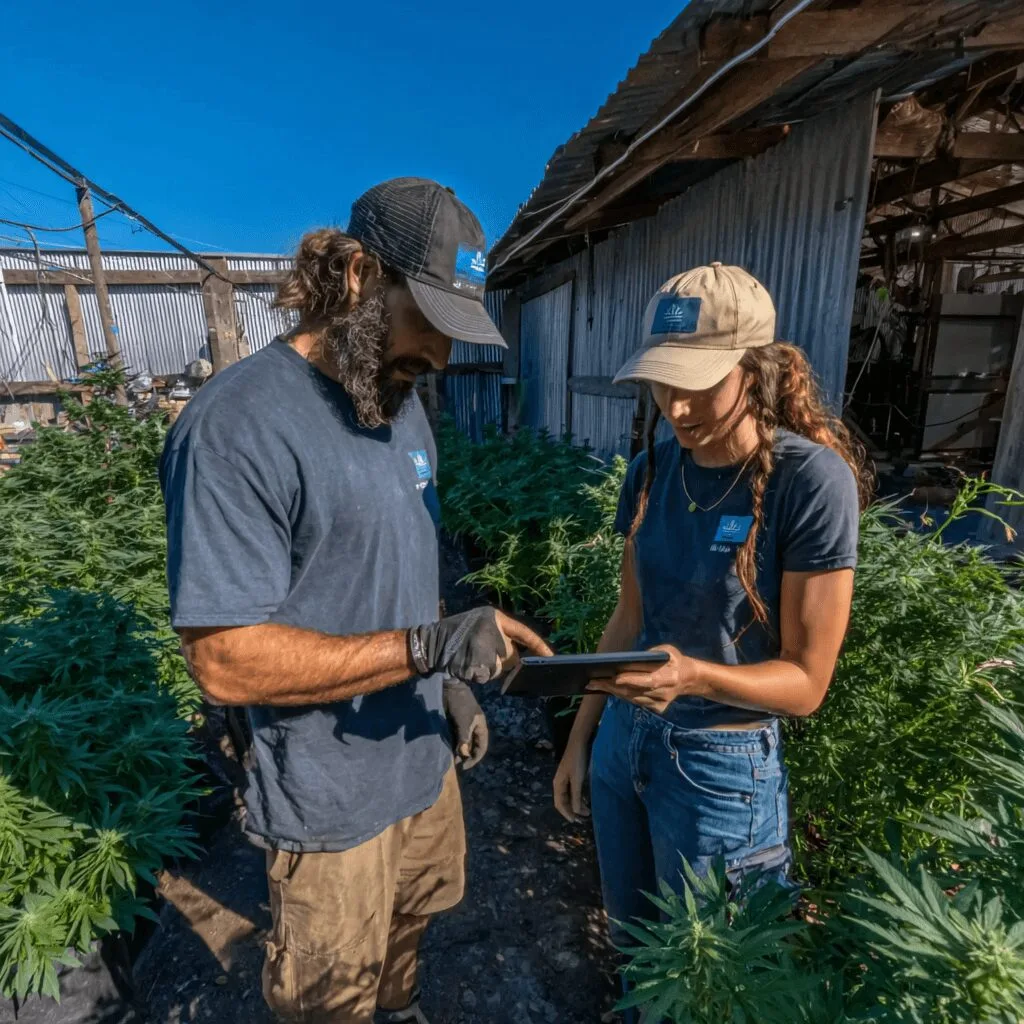
Recent years have seen cutting-edge technology merge into the world of legacy cannabis cultivation. Companies are investing in sensors, environmental control systems, and data-driven platforms to keep their crops thriving year-round. According to Cannabis & Tech Today, the intersection of heritage wisdom and automation is producing impressive results. Growers are now using digital tablets to monitor humidity, temperature, and nutrient dosages, while keeping old-school tools close by for the tactile needs of plants. In response to evolving legal frameworks like Minnesota’s recent hemp-THC regulations, many cultivators have embraced software and genetic tracking to comply with policy changes and product quality standards. Some legacy growers who’ve been honing cannabis genetics for decades are blending their hard-earned expertise with modern testing labs and genetic mapping tools.
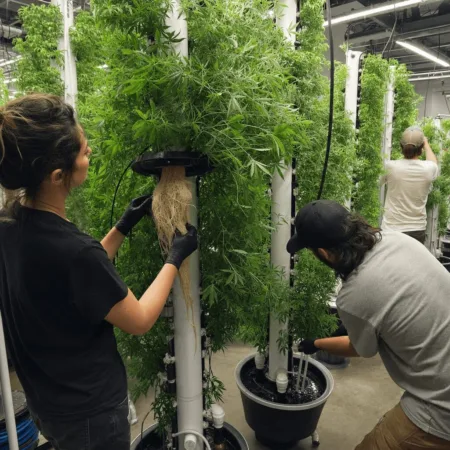
The article highlights the experience of hybrid teams—older cultivators and tech-savvy new growers—who collaborate every day. Older growers wield tried-and-true hand tools for pruning, soil handling, and pest control, while their younger counterparts track grow-room performance metrics in real time. In some facilities, canopy monitoring systems and automated irrigation hang above rows of plants. One noteworthy project described in Cannabis & Tech Today describes how a Colorado-based greenhouse implemented software to log every plant’s growth stage and environmental tweak, ensuring consistency and compliance. Regulations, such as California’s METRC system, require growers to document plant lifecycles, verify lab results, and upload compliance data, so the need for reliable cannabis cultivation technology continues to expand.
Growing Smarter: Expert Analysis, Insights, and Balancing Heritage with Technology
There’s no question that cannabis cultivation technology is raising the bar for growers. Still, anyone who’s been in this field knows you can’t automate the soul of cannabis. As Leafly contributor David Downs says, “The magic isn’t just in the machines—it’s in the hands and hearts of the growers who understand these plants down to their roots.” The smartest operators are mixing digital tools with dirt-under-the-nails experience. Environmental systems let growers dial in microclimates with scientific precision, but legacy practices, like hand trimming, crop rotation, and tailored feeding schedules, still set apart top-quality flower. It’s a collaboration, not a takeover.
From resource conservation to genetic stability and rigorous recordkeeping, advances in cannabis cultivation technology cut risk, save time, and provide a transparent paper trail for compliance. Yet, as industry publications such as MJBizDaily report, lasting success comes from combining modern efficiency with tradition: “Tech can help you scale, but if your cuts aren’t top-quality or you don’t read your leaves, you’re not competing in today’s market.”
For small farms and emerging markets, there are notable hurdles—cost barriers, knowledge gaps, and the concern of losing touch with the artistry behind cannabis’ reputation. However, progressive tribal communities, like those highlighted in the story of the Omaha Tribe’s innovative medical marijuana policies, are demonstrating new ways to advance and balance regulation, heritage, and technology. When modern cannabis cultivation technology and time-honored genetics work together, the results are resilient plants, aromatic terpene profiles, and improved regulatory harmony.
Where Do We Grow from Here? Future Outlook and Recipe for Success
Looking ahead, the fusion of cannabis cultivation technology and heritage skills will shape the next green revolution. Demand for clean, consistent, and sustainably grown flower keeps rising as new markets—think New York, New Jersey, and expanding global territories—license more growers each quarter. According to New Frontier Data, growers who integrate both digital and hands-on methods see higher quality output and reduced production costs. On the regulatory side, technology will help address both compliance and consumer safety demands, ensuring that only the best, cleanest products hit dispensary shelves.
The industry’s future is bright. Cannabis is winning mainstream acceptance, and as society wakes up to both its cultural roots and medical promise, cannabis cultivation technology is front and center as a bridge between old and new. Whether you’re a multi-generational farmer or a tech startup with a love for green, the story is the same—the next era of cannabis is about partnership, progress, and that perfect harvest.
Originally reported by: cannatechtoday.com

1 Comment
Pingback: Farm Bill hemp THC controversy: What's Really at Stake?