


Omaha Tribe medical marijuana law: Nebraska’s Surprising Challenge
The Omaha Tribe medical marijuana law is lighting up headlines in Nebraska, putting both state regulators and tribal sovereignty under the microscope. With Nebraska’s cannabis scene mostly running dry for now, this development has the potential to upend statewide rules, shift access for patients who need alternative medicine most, and kickstart crucial debates. The timeline is wild: recent moves by the Omaha Tribe shake up how medical marijuana could flow not just to tribal citizens but non-tribal Nebraskans, too. Whether you’re a patient, advocate, policymaker, or just cannabis-curious, there’s a lot to learn—and even more at stake.
Background: Cannabis, Tribal Sovereignty & Nebraska’s Patchwork Regulations
The Nebraska cannabis landscape has always been a mixed bag. While medical marijuana has mainstream momentum in dozens of U.S. states, Nebraska continues to ban both medical and adult-use cannabis (Marijuana Moment). Yet, federally recognized tribes, like the Omaha, have unique sovereign rights and this sometimes allows tribes to establish their own laws and policies regarding substances, opening cannabis access to tribal citizens despite state-level bans. Socially, many Nebraskans are ready for greener pastures, according to recent polls from UNL, a majority supports medical marijuana. At a regulatory level, this is where tribal and state governments collide. Tribal sovereignty is protected by federal law (U.S. Department of Justice), making these tribal medical marijuana moves not only legal pivots but also bold experiments in cannabis justice. Meanwhile, broader trends in cannabis and related intoxicants have drawn increased attention to crossover impacts on public health, such as the growing discussion surrounding cannabis, alcohol, and mental health, which signals the societal complexity of new marijuana policies.
Key Developments: Omaha Tribe Pushes for Cannabis Access
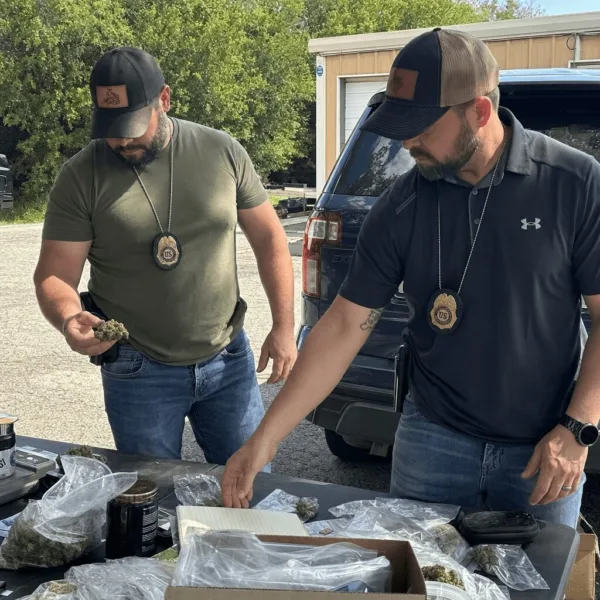
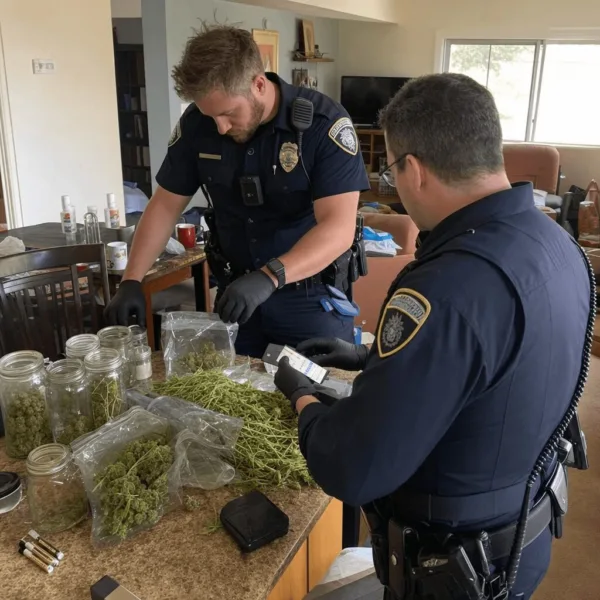
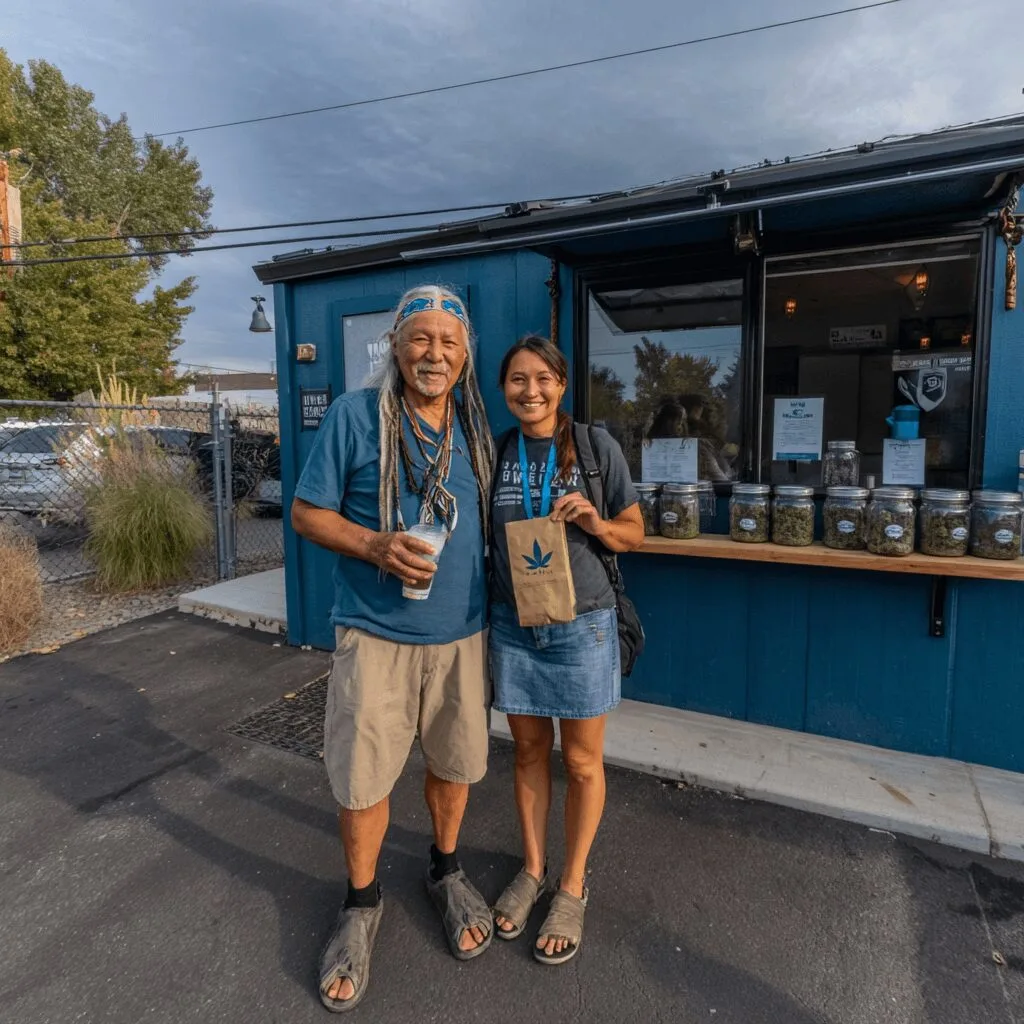
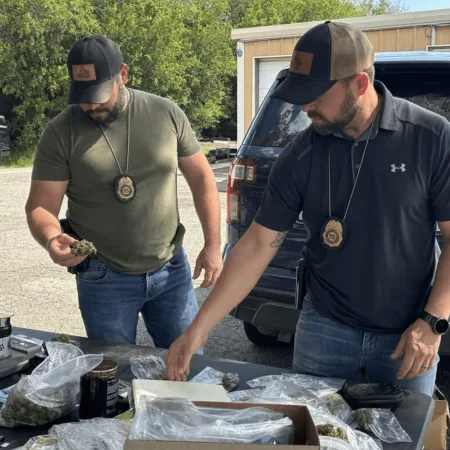
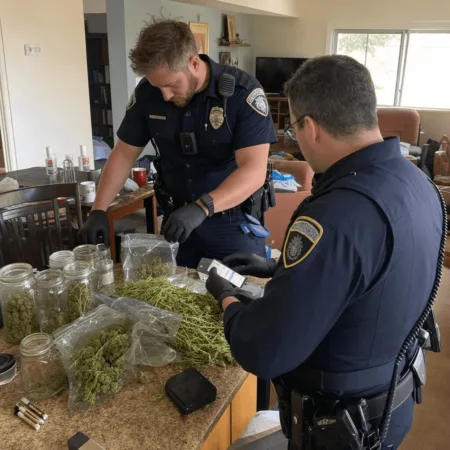
It all came to a head in early November 2025, as the Omaha Tribe announced their intention to open medical marijuana sales, not just for tribal members but for non-tribal Nebraskans as well. According to a detailed report from WOWT, tribal leadership publicly challenged Nebraska state officials, asserting that state laws cannot bar dispensary sales on sovereign tribal land. The Tribe’s stance is straightforward: as long as business happens on official tribal territory, state authority stops at the border. This is consistent with approaches seen elsewhere, including in Oklahoma, where cannabis enforcement tensions recently resulted in significant raids, as highlighted by the biggest cannabis crackdown in that state. The Omaha Tribe’s plan is to establish a licensed, regulated, and accessible medical marijuana dispensary, ensuring product quality and prescription-level access for local Nebraskans. State officials responded swiftly, citing “grave constitutional concerns” about bypassing state law. However, as Cornell Law School’s overview of tribal sovereignty outlines, the Omaha Tribe’s legal argument has substantial substance under current federal precedent. As these events unfold, questions around the Omaha Tribe medical marijuana law may quickly become a test case for state, federal, and tribal legal boundaries.
Analysis: Why the Omaha Tribe Medical Marijuana Law Is a Gamechanger
Let’s get real for a second, the Omaha Tribe medical marijuana law serves as a new playbook for cannabis justice and patient access. Across the country, tribal nations are often at the forefront of legalization efforts, driven by real community health needs and the promise of economic growth. According to Leafly’s deep dive, legal cannabis operations have been “lifesaving for many Native American communities,” helping not only fight opioid addiction but also support new revenue streams. The risks are greater in prohibitionist settings like Nebraska, where every step is a challenge to established laws. “This is what leadership looks like,” says Megan Fox, executive director of Tribal Cannabis Consulting, in an industry interview. “When tribes take the lead, they give state regulators a chance to catch up while meeting real patient needs right now.” For many Nebraskans, the prospect of real, prescription-driven relief is a major win, especially as broader research continues to draw attention to therapeutic benefits, such as CBD as an option for pain relief. The ongoing developments set up a crucial legal stress test likely to influence future access for both tribal and non-tribal patients, with effects reaching far beyond tribal and state lines.
Outlook: Nebraska, the Omaha Tribe, and the Road Ahead
Here’s the honest scoop: the Omaha Tribe medical marijuana law is a sign of the times—and a sign of hope for reform. Sure, legal challenges will keep lawyers busy for a while, but history is clear: public opinion, social justice, and federal protections are all moving in favor of medical cannabis. As tribal, state, and federal authorities hash out the details, patients and advocates keep pushing for safe, compassionate access. According to recent industry analysis from NORML, even a single tribe can start a chain reaction, pressuring states to modernize old laws and clear a path for progress. One thing’s certain: Nebraska’s medical marijuana future just got a lot less boring—and maybe a whole lot brighter.
Originally reported by: wowt.com
1 Comment
Pingback: Cannabis Control Commission appointment: Insider Reveals All