



Minnesota hemp-THC regulations: Latest Changes Revealed
Right now, Minnesota hemp-THC regulations are the buzz of the local cannabis scene—and not just for industry folks. Recent rule shifts put the spotlight on lawmakers, entrepreneurs, and regular consumers. With market demand surging and legal uncertainty making headlines, understanding these new regulations is key. In this breakdown, we’ll untangle what’s changing, why it matters, and what’s coming next for the state’s cannabis industry.
Background: How Did We Get Here with Minnesota hemp-THC regulations?
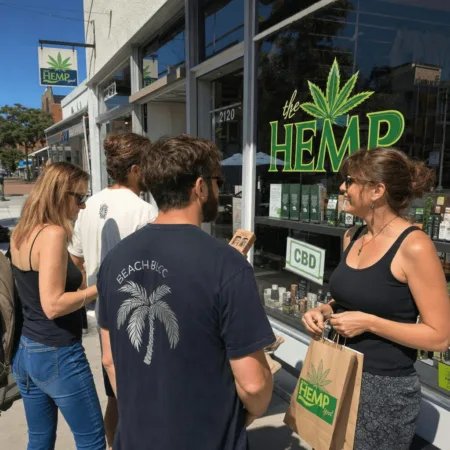
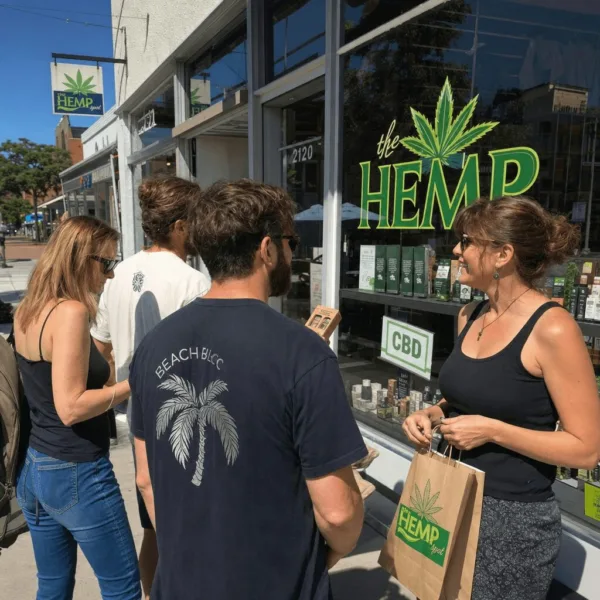
To get the full picture on Minnesota hemp-THC regulations, you’ve got to step back to 2022. That’s when Minnesota legalized low-dose, hemp-derived THC edibles and beverages statewide, surprising both political camps (MPR News). Suddenly, shops could sell gummies, seltzers, and more, so long as they stayed below 5mg THC per serving. This move turned the market upside down, shot Minnesota into the cannabis innovation spotlight, and brought a gold rush energy, with craft businesses and dispensaries multiplying.
The growth in wellness circles and routine cannabis use in coffee shops mirrors wellness trends gaining major attention this year, especially as consumers seek information on products like CBD for pain relief (CBD for pain relief). Still, the regulatory ground stayed shaky. State agencies and lawmakers scrambled to keep pace with loopholes, grey areas, and public safety debates. Social attitudes shifted, support for responsible adult use soared, and the marketplace attracted both excitement and concern. By 2024, hemp-THC products had become a staple in various circles (Star Tribune), but the rules were clearly due for another overhaul.
The Shakeup: Minnesota hemp-THC regulations Face a New Era
If you’ve been following the latest Minnesota hemp-THC regulations, you know the past few weeks have been a whirlwind. On June 12, 2024, a regulatory amendment was announced causing major reverberations across local businesses (Minneapolis Media). The state clarified product testing standards, packaging rules, labeling requirements, and, most dramatically, tightened sale permissions for certain infused products.
As regulations around compliance and enforcement increased, some observers drew parallels to recent cannabis crackdowns in other parts of the United States, such as major enforcement sweeps in Oklahoma, reminding local operators that regulatory vigilance can have industry-wide effects (Oklahoma marijuana business crackdown). Companies like Retro Bakery and Northland Botanicals suddenly faced product recalls and rushed compliance fixes. Meanwhile, smaller shops scrambled to check batch records and updated ingredient lists, all while answering a flood of customer questions about what’s legal now. The new regulations added explicit bans on synthetic cannabinoids, higher fines for non-compliance, and new age-verification protocols. Enforcement teams hit the ground running. As the Office of Cannabis Management (OCM) explained, these steps aim to close loopholes and “ensure public safety without crippling responsible businesses.”
It’s not just about local tweaks, either. The new Minnesota hemp-THC regulations align the state’s approach closer to national trends, responding to confusion over hemp-derived delta-8 and similar compounds (NORML News), as seen in recent crackdowns in other states. Retailers are now required to register products in a central database, and a public education campaign is set to launch in July to clear up lingering myths and misinformation.
Expert Insights: Reading Between the Lines of Minnesota hemp-THC regulations
Let’s keep it real, this is a typical regulatory rollercoaster for anyone tracking Minnesota hemp-THC regulations. Every time lawmakers tighten the screws, there’s worry in the air, but also innovation.
As industry shifts drive mental health conversations around substances like cannabis and alcohol, it’s worth noting the recent societal focus on their crossover impacts on wellness, especially as new regulations roll out (cannabis and alcohol mental health). According to a recent Leafly analysis, Minnesota stands out for striking “a delicate balance between protecting consumers and fostering an open market.” Kevin Reed of Green Entrepreneur summed it up perfectly, “Minnesota’s approach is messy, but it’s keeping the spirit of hemp alive. Strong regulations force out the bad actors and let good operators thrive.”
Industry experts argue these new Minnesota hemp-THC regulations aren’t about stifling an industry, they’re about clarifying the rules. You can expect more certainty, consumer trust, and space for ethical brands to shine. Sure, compliance costs can sting, especially for indie shops. But we’re already seeing smart operators pivot to compliant product lines and tighter quality control.
Nationally, the Minnesota hemp-THC regulations are being watched closely as a blueprint for other states stuck in legal limbo over delta-8 or nano-emulsified cannabinoids. As the industry matures, rigorous standards are becoming the norm, not a buzzkill for cannabis culture, but a sign of its legit future.
What’s Next for Minnesota hemp-THC regulations? Looking Forward
If you’re passionate about the cannabis community, Minnesota hemp-THC regulations are a lens into the bigger picture. The market might be wrestling with some curveballs, but there’s a lot to be stoked about. As regulations get clearer, expect more investment, better consumer protection, and continued work toward common-sense reforms—without losing the homegrown energy folks love.
Industry predictions from Hemmfy and Marijuana Moment show that states embracing clarity and fairness set themselves up to lead in both economic and cultural terms. So, keep your eye on the Minnesota hemp-THC regulations—they’re more than legal fine print. They’re the playbook for what a responsible, thriving cannabis space looks like—here and nationwide.
Originally reported by: minneapolimedia.town.news