

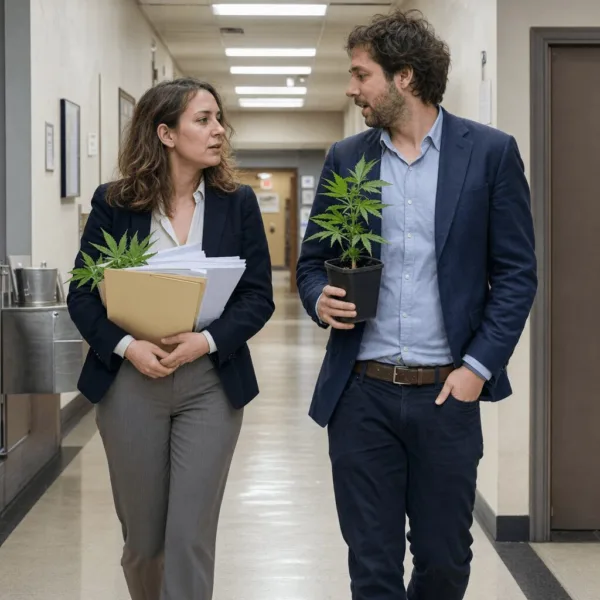




The conversation around South Dakota medical marijuana is more heated than ever. Recent legal battles have stirred the pot, making patients, advocates, and industry insiders anxious about the future. With policymakers scrutinizing regulations, dispensaries and patients alike are feeling the pressure. In this article, we’ll break down what’s really happening, why it matters for medical cannabis in South Dakota right now, and what both sides of the debate have to say.
Background: The State of South Dakota Medical Marijuana
When South Dakota voters approved medical marijuana in 2020, it signaled a shift in local attitudes. The state’s program launched in 2021, but has faced pushback from various corners ever since. According to Marijuana Moment, lawmakers have debated everything from qualifying conditions to how dispensaries operate. Regulation has been rigorous, and South Dakota’s Department of Health keeps a tight grip on licensing and compliance. Social acceptance has grown, but there’s still skepticism in some rural communities. Nationally, medical marijuana markets are booming, but in South Dakota, the fight feels distinctly local. In other places, such as Minnesota, state-run cannabis stores are beginning to change the retail landscape, illustrating how local economic factors—job creation, taxes, and the promise of new industry—compete with long-standing concerns about public safety and youth access. For a closer look at these shifts, see how a Minnesota government cannabis store opens and what it means for broader market changes. As the landscape matures, tension between legislative caution and patient needs is central to the current climate.
Key Developments: Legal Storms & High-Stakes Moves
Recently, shocking legal drama hit the South Dakota medical marijuana scene. On November 1, 2025, as reported by South Dakota Searchlight, state officials initiated efforts that could ‘burn down’ the state’s entire medical marijuana program. It started with a series of emergency policy announcements and restrictive amendments. Key dispensary operators, including medical collectives in Sioux Falls and Rapid City, were suddenly served compliance notices. According to recent legal filings, state licensing boards debated new interpretations of what constitutes adequate physician oversight and proper dosing protocols, igniting confusion among providers. A major dispute erupted when the Department of Health threatened to revoke licenses from any dispensary found violating even minor record-keeping standards. These rapid developments forced some retailers to close temporarily. This kind of high-stakes regulatory activity isn’t limited to South Dakota; similar shakeups, like the recent changes in Oklahoma dispensary regulations, have left patients and operators across the region scrambling to adapt. Industry insiders claim this was more than routine licensing—it was a coordinated move to dramatically tighten, or possibly eliminate, the existing market. Patients and providers flooded public forums with concerns about access, affordability, and the bureaucratic maze created overnight. According to updated coverage from Leafly, legal teams have already formed to challenge these regulatory overhauls in court, marking 2025 as a watershed moment for South Dakota’s cannabis movement.
Expert Analysis & Pro-Cannabis Perspectives
Let’s be real, the latest crackdown on South Dakota medical marijuana is a big deal, but it’s not happening in a vacuum. Policy shakeups like these often trace back to political maneuvering or lingering stigma, rather than public health data. According to Dr. Peter Grinspoon, a physician and cannabis specialist quoted by Harvard Health Publishing: “Medical cannabis is rigorously regulated, and there’s no justification for knee-jerk rollbacks that leave patients stranded.” This sums up a core problem facing South Dakota right now, as well-meaning folks with complex health needs are being caught in the crossfire. Concerns about public safety in connection to cannabis often surface after dramatic incidents, like a major seizure at an airport— such as what happened recently in Birmingham— fuel misconceptions and further crackdowns. Industry leaders point out that overregulation hurts legitimate patients and incentivizes gray-market transactions. National data from NORML and the National Institutes of Health consistently show that robust, accessible medical marijuana programs are associated with lower opioid overdose rates and better chronic pain management outcomes. Tightening restrictions may shield politicians from criticism, but leave families scrambling. On the ground, many dispensary owners say they’re being used as political pawns, echoing the frustration felt by hundreds of cardholders whose access now hangs in the balance.
Outlook: The Future of South Dakota Medical Marijuana
Despite legal fireworks, there’s reason for optimism about South Dakota medical marijuana. Nationwide, public attitudes are trending decisively in favor of patient access and cannabis reform. Regulatory missteps are often met with energized advocacy and legal challenges, which sometimes succeed in restoring balance. A recent analysis by Marijuana Policy Project shows that states with inclusive medical marijuana frameworks enjoy better patient outcomes and higher satisfaction rates. As court challenges unfold, citizens and the industry are pushing policymakers to craft rules that prioritize both safety and real-world utility. Ultimately, the South Dakota marijuana movement may emerge even stronger, with lessons learned and widespread community support. It’s a long game, but greater normalization—and maybe even full legalization—is on the horizon. For now, vigilance and advocacy remain key. The voices of patients and responsible industry players will help shape whatever comes next, ensuring that medical cannabis has a secure future in South Dakota.
Originally reported by: southdakotasearchlight.com


1 Comment
Pingback: CBD Lekin community program: Discover the Spinning Wheel Event