



Cannabis Seizure Birmingham Airport: What Really Happened?
In the past week, the phrase cannabis seizure Birmingham airport has exploded across news headlines and social feeds. This story strikes a nerve right now as shifting cannabis laws, high-profile criminal busts, and heated debate are reshaping how we view cannabis in the UK and beyond. With the UK market under constant legal and social evolution, large-scale seizures like this highlight ongoing friction between regulation, enforcement, and the realities of the cannabis trade. Let’s clear the smoke and examine what actually went down, why it matters to both cannabis industry insiders and casual consumers, and what the future might hold for cannabis at the nation’s airports.
Regulatory Background and Social Context: Navigating the Cannabis Landscape
To really make sense of the cannabis seizure Birmingham airport news, you have to understand the legal landscape. In the UK, cannabis is classified as a Class B drug under the Misuse of Drugs Act 1971 (Gov.uk). This means production, possession, and supply remain criminal offenses, with severe penalties for large-scale operations. Despite recent waves of decriminalization and regulation in countries like Germany and Canada (Leafly), the UK remains cautious. Medical use is technically legal under strict conditions, but access is highly restrictive, fueling black market demand and import attempts. Social attitudes are changing, though, with recent polling by The Guardian showing over half the British public now support some form of legalization. As countries experiment with new models—like social consumption lounges in Nevada that still face slow progress (see challenges for Nevada cannabis lounges)—it’s clear the regulatory climate is in flux. With border security, international smuggling risks, and outdated stigma still high, any major airport seizure lands right at the center of ongoing national debate.
Key Events and Facts: Breaking Down the Birmingham Airport Seizure
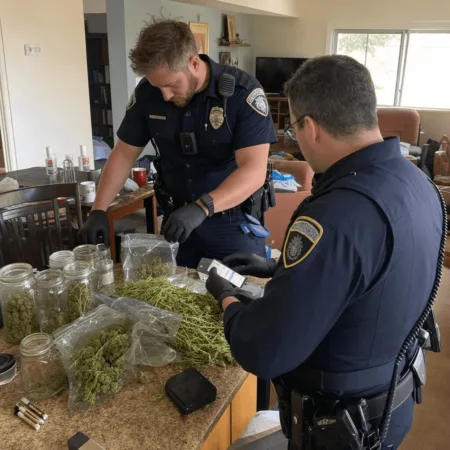
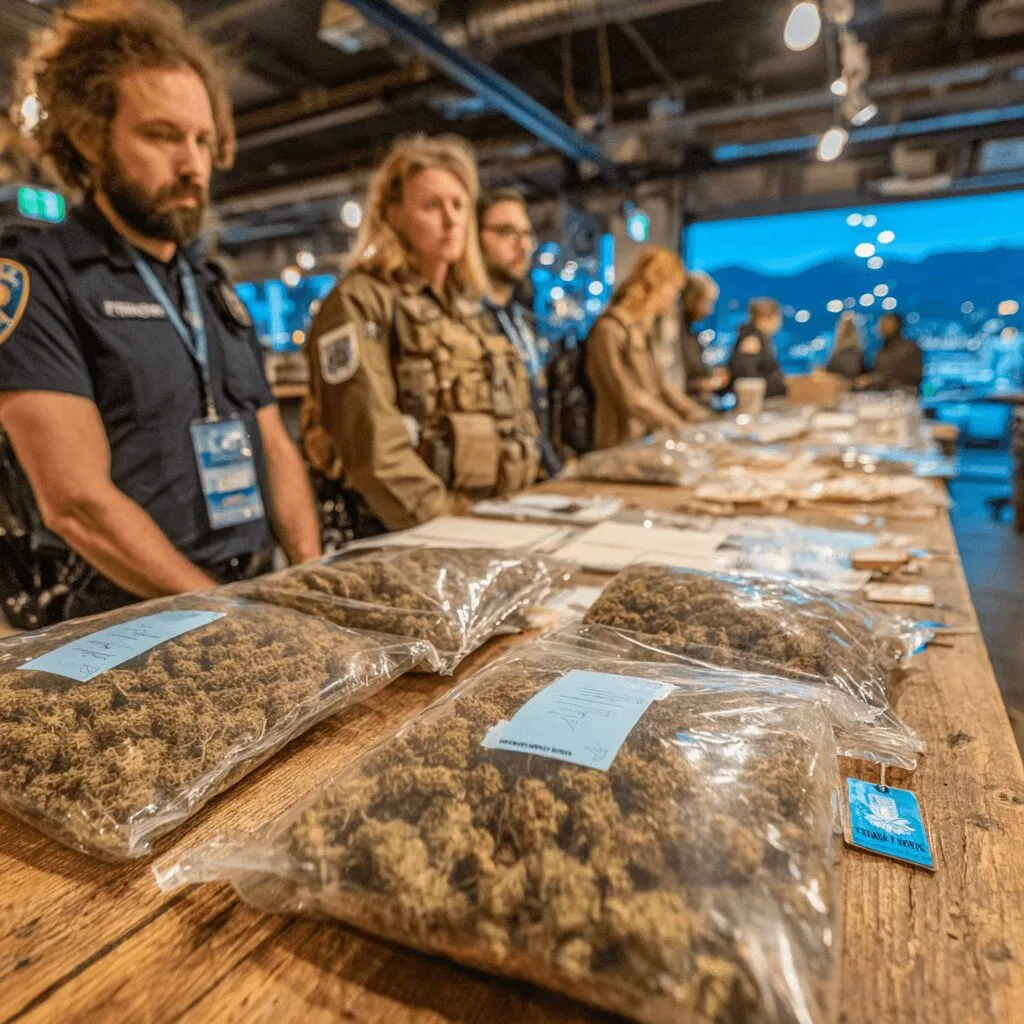
The recent cannabis seizure Birmingham airport operation made headlines on November 1, 2025, when UK Border Force officers intercepted two individuals arriving at Birmingham Airport with over £1.4 million worth of cannabis. Authorities quickly moved to confiscate approximately 500 kilograms of high-grade cannabis buds—one of the largest airport busts in recent years (The Guardian). According to court filings, the haul was uncovered during a routine customs screening, with officers noting inconsistencies between the travelers’ baggage contents and their declared purpose for visiting. In the United States, communities are facing similar challenges, as seen with recent major marijuana raids in Atlanta. From there, the investigation widened to include potential organized crime links. Legal proceedings were promptly initiated against the pair, both of whom now face charges related to the importation and supply of a controlled substance. While police have not disclosed specifics about the smuggling methods, the bust has underscored heightened security and the ongoing tug-of-war between black-market innovation and government controls. The operation sparked a wave of national media coverage, with authorities emphasizing their commitment to intercepting illicit cannabis before it enters UK markets.
Expert Analysis, Broader Impact, and Pro-Cannabis Perspective
Events like the cannabis seizure Birmingham airport drive home how outdated policy often collides with evolving consumer behavior and shifting global norms. According to leading industry publication Leafly, “prohibition is increasingly out of step with scientific consensus, public health realities, and global best practices.” Industry watchdogs echo these sentiments, noting that such high-profile seizures are less a deterrent and more a sign of booming demand that outpaces outdated regulation. As cannabis advocate and researcher Professor David Nutt stated in a widely cited 2023 interview (The Guardian): “When legal frameworks don’t match modern realities, you end up with enforcement actions that do more to enrich criminal networks than protect communities.” On the ground, most experts agree: heavy-handed border busts tend to grab headlines but rarely slow the flow; solutions must focus on thoughtful regulation, harm-reduction, and fair access. These issues are echoed in the debates over policies and patient advocacy in the American Midwest, where recent stories such as one woman’s fight for medical marijuana access in Nebraska show how grassroots activism is pushing for change. Even in places like Canada, where legalization has slashed black market profits and freed up law-enforcement resources (CAMH), airports are adapting with smarter monitoring, not just more prohibition.
Looking Ahead: Hopeful Moves for the UK Cannabis Industry
The cannabis seizure Birmingham airport story is one small chapter in a much bigger UK cannabis narrative. More and more, regulators are being called upon to swap hardline crackdowns for common sense frameworks that balance public safety, economic opportunity, and real-world harm reduction. With medical access inching forward, pilot programs popping up, and robust discussions in Parliament and on the streets, the future looks promising—as long as lessons are learned. According to Prohibition Partners’ 2023 European Cannabis Report, the UK is primed for massive growth if policy can keep pace with reality. Whether you’re a business insider, patient, or casual observer, one truth remains: events like the cannabis seizure Birmingham airport remind us how much is still at stake, but also how much positive change is possible. Here’s to a future where smart legalization, safer travel, and social acceptance are the new normal.
Originally reported by: theguardian.com