





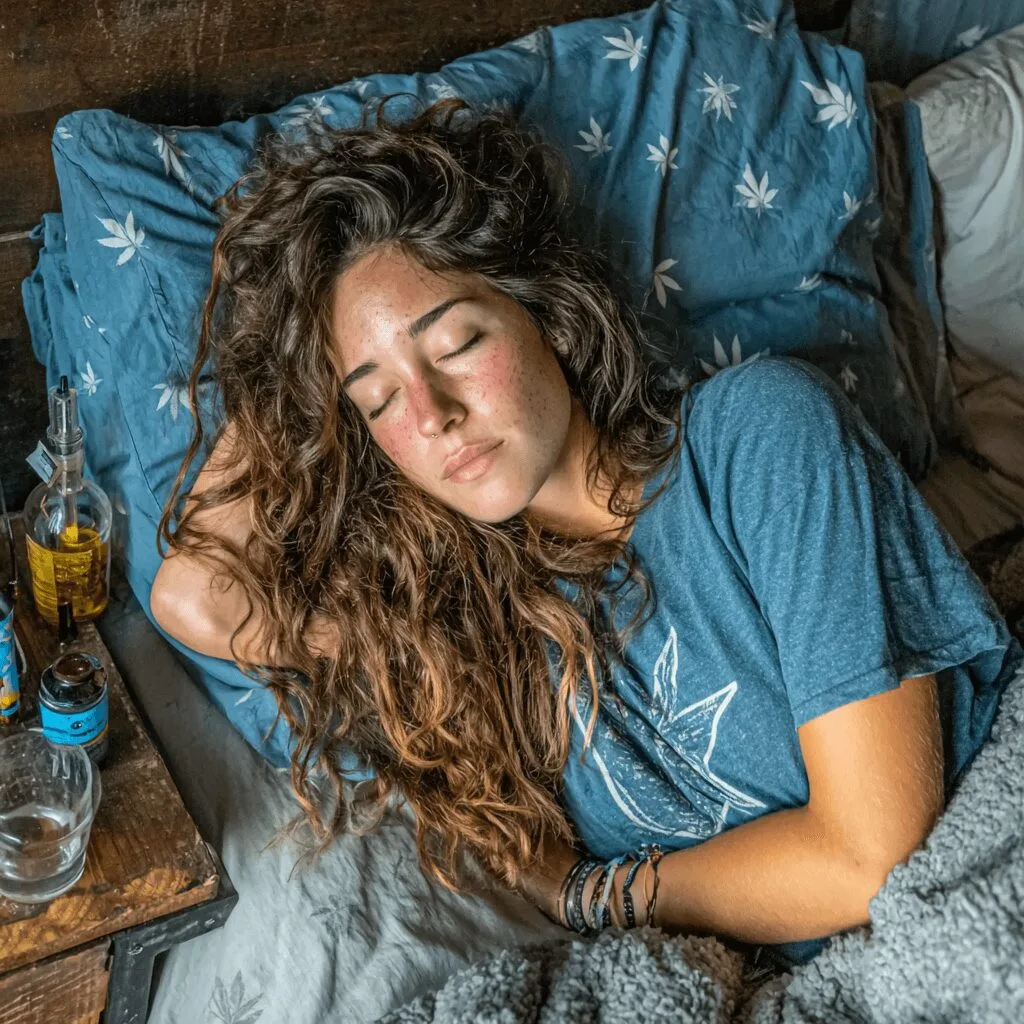
Cannabis Alcohol Sleep Young Adults: What You Need to Know
Let’s get honest: Almost every young adult knows someone who’s reached for cannabis, alcohol, or even both to try and catch some Z’s. With sleep health dominating headlines in 2024, understanding how these choices impact young adults is anything but optional. From changing state laws to shifting college norms, the cannabis alcohol sleep young adults debate matters right now. We’ll break down fresh research, untangle the social buzz, and cut through common myths about cannabis, alcohol, and sleep—especially for millennials and Gen Z. Stick around for the facts, the context, and the lived reality behind the headlines.
The Modern Landscape: Cannabis, Alcohol, Sleep, and Young Adult Life
The intersection of cannabis, alcohol, sleep, and young adults is hitting the mainstream thanks to a potent mix of regulatory changes and cultural shifts. Over half of U.S. states now allow some form of legalized cannabis, as detailed by NORML, which has driven new patterns in how young people navigate wellness, mental health, and socializing. Meanwhile, alcohol remains both legally accessible and socially embedded in college and post-college life, according to authoritative sources like the CDC. Recent legal developments, such as the emergence of THC-infused drinks in Kansas, also show how nuanced and rapidly evolving state regulations are shaping young adults’ choices. Technological advances in sleep-tracking and digital health have also made young adults far more aware, and experimental, about regulating their sleep. These factors put cannabis, alcohol, sleep, young adults under a bigger spotlight than ever before, fueling debates on everything from public health messaging to campus wellness policies.
Key Developments & Recent News in Cannabis Alcohol Sleep Among Young Adults
Breaking developments in 2024 highlight a new study published in JAMA examining how cannabis and alcohol use are linked to the sleep patterns of young adults. The multi-site research followed over 2,000 participants between ages 18–25 from across the United States, with data collected up through late 2023. Participants self-reported their use of cannabis and alcohol as sleep aids and logged nightly sleep quality for three months. According to the study, roughly 45% tried cannabis, 38% used alcohol, and 21% admitted to using both within the same week as a way to address sleep issues. Notably, findings revealed those who used cannabis or alcohol to induce sleep reported marginally shorter sleep duration and poorer next-day alertness compared to abstainers. For local legal perspectives, the growth of medical marijuana dispensaries, like the ongoing openings in Kentucky, reflects the expanding access that may further impact young adult trends. The research did not find significant differences in sleep outcomes between cannabis-only and alcohol-only users. These results add fresh urgency to ongoing debates about safety, effectiveness, and potential long-term impacts, especially as legalization expands and social attitudes shift. The JAMA-led discussion is now influencing campus counseling practices and public health policies nationwide.
Expert Insights: Interpreting the Data and the Pro-Cannabis Perspective
Seasoned cannabis advocates and medical researchers have weighed in on what this all means for cannabis, alcohol, sleep, young adults. Dr. Staci Gruber, a leading neuroscientist from Harvard’s McLean Hospital, emphasizes, “Cannabis can be a complicated player when it comes to sleep. For some, it provides short-term symptom relief, but not all cannabis is created equal, and regular use may disrupt long-term sleep architecture.” Cannabis culture veterans point out that, unlike alcohol, many cannabis strains are explicitly bred for relaxation, stress reduction, and sleep support, as echoed by Leafly’s review of the science. Issues of enforcement and community responses also play a role, highlighted by the recent debate sparked by a substitute teacher’s marijuana arrest which exposed tensions about cannabis use in education and among youth. While alcohol is known to suppress REM cycles, leading to those infamous groggy mornings, cannabis may shorten the time it takes to fall asleep, especially among those with anxiety or chronic stress. Advocates urge young adults to balance moderation, know their products, and avoid mixing substances. The key is responsible, informed decision-making backed by quality research, not just viral “life hacks.”
Where Do We Go from Here? The Future of Cannabis, Alcohol, Sleep, and Young Adults
As the cannabis alcohol sleep young adults conversation evolves, there’s cause for optimism. State-level legalization is driving serious scientific inquiry and better education, while universities and public health organizations adapt policy to real-world needs. The cannabis industry itself is entering an era of transparency and product innovation, according to MJBizDaily’s latest industry overview. For young adults, more credible information—paired with lived experience—means fewer stigmas and better choices. The future will likely bring smarter regulation, targeted therapeutic products, and a healthier dialogue. Whether you’re team cannabis, team red Solo cup, or just want a good night’s sleep, new data and real talk will keep you clued-in and confident about your next steps.
Originally reported by: jamanetwork.com


