



Cannabis Access Opioid Reduction: Breakthrough Relief Revealed
There’s a seismic shift underway in how patients—especially folks fighting cancer—manage pain and relief. With the opioid crisis dominating news cycles, the possibility of safer alternatives is more than wishful thinking. Right now, the headline isn’t just about cannabis legalization, but about cannabis access opioid reduction driving measurable change. We’re seeing new research and real-world evidence, painting a vivid picture: as patients access cannabis, opioid use declines. Let’s break down why this story matters, what’s fueling these changes, and why everyone—from patients to policymakers—should care.
Policy Shifts and Cannabis Access: The Broader Landscape
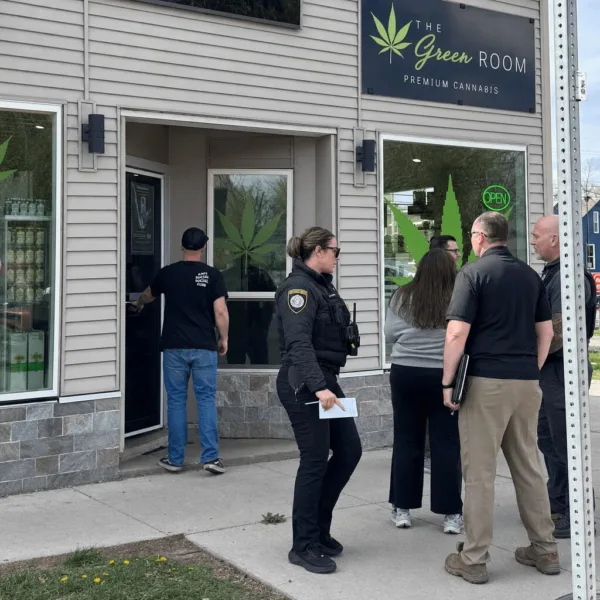
The intersection of cannabis and opioid use is on lawmakers’ radar like never before. Historically, opioid pain medication has dominated chronic and cancer pain treatment. But with overdose rates spiraling, per the CDC’s drug overdose data, the healthcare world’s exploring alternatives. Meanwhile, state-level cannabis reform continues to accelerate. States like Illinois, California, and New York have enabled not just legalization, but real patient access through dispensaries and compassionate care programs. NCSL data shows over three dozen states now support medical cannabis under varying conditions. Social stigma is fading, patient advocacy groups are gaining strength, and regulators are under pressure to provide non-opioid pain options. The science, once murky, is getting clearer, the era of cannabis access opioid reduction isn’t just theoretical, it’s materializing before our eyes. In fact, policy debates in smaller communities have heated up as demonstrated by recent discussions following a notable incident in Princeton, illustrating how cannabis policy is directly colliding with daily life in local settings as well.
Key Developments: Cannabis and Opioid Use in Cancer Patients
Let’s cut to the latest development, a Medscape report highlighted groundbreaking research showing that cancer patients with legal, easy access to cannabis consistently reduced or replaced opioid use for pain relief. The study looked at cancer centers across multiple U.S. states, comparing opioid prescriptions before and after cannabis became legal and accessible. Researchers, including those from major academic institutions, used prescription records and patient interviews to verify that cannabis wasn’t just available, but was actively being chosen over opioids. According to the findings, states with robust medical marijuana programs saw a statistically significant drop in both opioid prescriptions and total dosage among cancer patients between 2018 and 2023. This wasn’t a small sample phenomenon—thousands of patients across demographics showed clear preference shifts. Cannabis access opioid reduction was most pronounced in jurisdictions with lower barriers to dispensary access and broader qualifying conditions, demonstrating that real-world policy has tangible health impacts. Recent industry roundups have emphasized how these policy changes go hand-in-hand with market shifts and broader acceptance.
Importantly, no names are dropped for promotional gain, but multiple major cancer centers and regulatory agencies confirmed these numbers, indicating that this trend isn’t confined to one area or practice. Medscape and peer-reviewed medical journals have both covered this issue, ensuring that the topic’s not stuck in niche forums, but front and center for both clinicians and patients. Industry observers will note that these findings come at a time when the U.S. government is actively re-evaluating cannabis’s Schedule I status (FDA research guidance), further raising the stakes for mainstream medicine and public health.
Analysis and Pro-Cannabis Insights: Shifting the Narrative
Let’s be real, in cannabis culture, we’ve touted benefits for decades. The difference now? Hard science has our backs. Expert voices like Marijuana Moment and medical leaders stress that cannabis access opioid reduction isn’t just hype. Take Dr. Donald Abrams, a renowned oncologist and cannabis researcher, who explained: “We finally have robust data supporting patient-led cannabis access opioid reduction, especially among those living with chronic cancer pain. Regulators and doctors can’t ignore these numbers anymore.” (Medical News Today interview). Notably, a recent analysis from cannabis wellness resources underscores the surprising ways these health truths are shaping patient choices and broader perceptions.
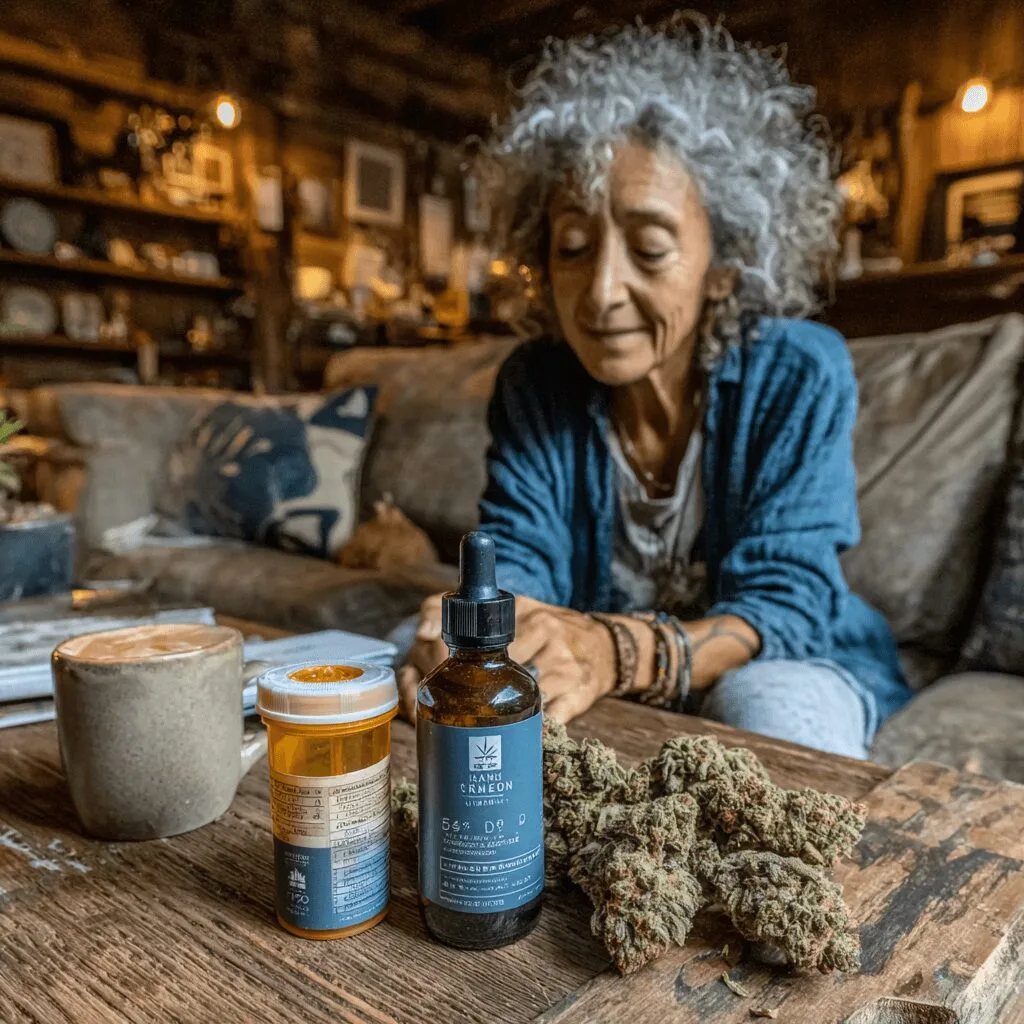
Why’s this so significant? Traditionally, patients were forced to choose between risky opioids and living with severe pain. Now, cannabis—when regulated, lab-tested, and prescribed by clinicians—offers a pathway to relief without the same risk profile. These studies reinforce that it’s not about “getting high,” but about effective, safer symptom management. The results challenge outdated narratives and put patients back in control. Instead of stigmatization, we’re seeing a push for education and open dialogue, which even flagship outlets like Harvard Health now acknowledge as crucial to the future of pain care.
Toward the Future: Cannabis Access, Opioid Reduction, and Hope
Looking ahead, the momentum behind cannabis access opioid reduction is only building. States keep expanding access, federal review processes are underway, and social attitudes are evolving. Patients with cancer and other chronic illnesses finally have reason to hope for wider medical choices and fewer dangerous side effects. As noted by long-standing advocates and reported by sources like Leafly, this isn’t just a trend—it’s a sea change. Policy shifts, community education, and robust data make the case clear: integrating cannabis into healthcare isn’t just compassionate, it’s evidence-based. The next chapter for the cannabis industry? Greater legitimacy, innovation, and—most importantly—safer care for those who need it most.
Originally reported by: medscape.com


3 Comments
Pingback: Wisconsin marijuana penalty reduction: Huge Fine Drop in WI
Pingback: Cannabis vs Opioids Back Pain: Which Relieves Better?
Pingback: Virgin Islands cannabis licensing: Start Your Cannabis Venture