





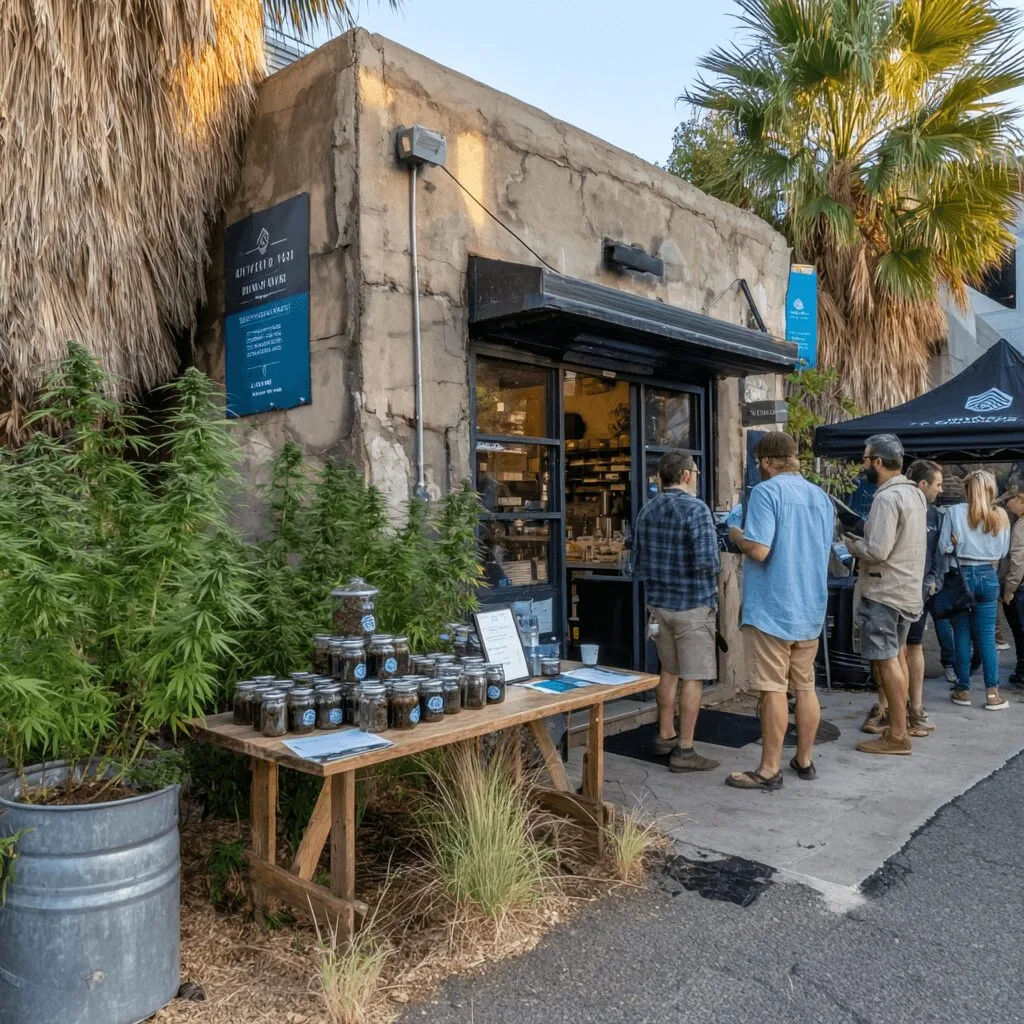
Calexico Cannabis Permit Moratorium: What You Must Know Now
There’s never been a dull moment on California’s border when it comes to cannabis, but the recent Calexico cannabis permit moratorium has stirred up new questions, opportunities, and, let’s be honest, a touch of anxiety for local entrepreneurs and advocates. With city regulators hitting the pause button on new permits, everyone from business owners to consumers is asking what comes next. In this article, we break down the key developments, examine the bigger picture, and share what this move means for Calexico’s future—and maybe for the entire California cannabis scene. Ready to dig deep? Let’s go!
Background: Why Calexico Hit Pause on Cannabis Permits
The Calexico cannabis permit moratorium didn’t come out of thin air. Let’s face it, the cannabis market in Southern California has always been a wild blend of opportunity and red tape. For years, the LA Times has tracked how rapidly evolving regulations have outpaced local oversight, sometimes resulting in a patchwork of enforcement, confusion, and unintended loopholes. In Imperial County, Calexico has been one of the region’s more progressive cities, enthusiastically handing out cannabis permits in recent years. But with new applications piling up and state audits raising their eyebrows, local leaders started questioning whether the city had the staffing and systems to keep pace. Socially, the cannabis conversation is changing, too. As public attitudes across the country shift toward sensible marijuana reform, many look to models in places like Hawaii where heated debates over legalization shape both local and business risks—for more, see this perspective on the evolving Hawaii cannabis legalization debate. According to Pew Research Center, over two-thirds of Californians now support legal cannabis, yet many still want sensible oversight for public health and safety. The background behind the Calexico cannabis permit moratorium is a complex mix of strong community interest, economic optimism, and a city trying to find balance in a fast-changing industry.
Key Developments: Breaking Down the Calexico Cannabis Permit Moratorium
On October 17, 2025, the Calexico City Council voted to enact a temporary halt on issuing new commercial cannabis permits. According to reporting by the Calexico Chronicle, this decision followed heated debate, as many community members turned out, hoping to have their voices heard. The moratorium will last until at least March 2026, pending a citywide review of the permitting process. The move affects all new applications for dispensaries, cultivation facilities, and manufacturing operations, though current permit holders will be unaffected. City Manager Carlos Perez cited growing concerns over administrative bottlenecks, compliance challenges for both operators and city regulators, and the need for more robust checks and balances. Local businesses, such as Border City Botanicals and Green Valley Wellness, expressed frustration that their planned expansions are now on hold. Meanwhile, city staffers are working with outside consultants to evaluate how to streamline permit approvals and strengthen oversight. Systems like Michigan’s recent marijuana license caps illustrate how different regions manage similar surges in applications—read more about these game-changing license limits in Michigan. According to Leafly News, similar moratoriums have been enacted in other California cities after rapid permit growth revealed gaps in local enforcement and zoning policy.
Expert Analysis: What Does the Calexico Moratorium Mean for the Industry?
The Calexico cannabis permit moratorium is both a challenge and an opportunity, depending on your POV, and, hey, as someone who’s been in the trenches, I get the stress! Here’s the real deal: Slowdowns like this can force everyone to take a breath and focus on getting things right. Recent industry commentary, such as that by Marijuana Moment, points out that cities often underestimate the complexity of compliance, leading to regulatory chaos that eventually hurts legit operators most. I caught a great quote from Hilary Bricken, a leading cannabis attorney, who said, “Temporary moratoriums are frustrating but can create space for smarter, fairer regulations that ultimately protect compliant businesses and local communities.” For Calexico, this reset could prompt better communication between city officials, license holders, and advocates. It also highlights a truth often missed in headlines: California’s cannabis industry is still in its awkward teenage years, growing fast but not always graceful about it. Regulatory hurdles and enforcement difficulties aren’t unique to California—other states, such as Oklahoma, have faced busts that shake up local scenes, providing a wider context for Calexico’s pause, as seen in the recent marijuana bust that shook the local scene in Woodward County. Trends in cities like Oakland and Long Beach show that well-planned resets can create more transparent, scalable regulatory systems, benefiting the whole ecosystem in the long run.
Future Outlook: Is This Pause a Step Back or a Leap Forward?
If you love cannabis and care about fair, sustainable industry growth, don’t let the Calexico cannabis permit moratorium get you down. Every market shake-up is a chance for smart innovation—and a bit of community soul-searching. Local leaders may have hit pause, but with city staffers reviewing policy and seeking input from stakeholders, there’s real potential for lasting improvements. California’s cannabis market has weathered far bigger storms and keeps evolving, as major updates from MJBizDaily make clear. Once the moratorium is up for review in March 2026, we’ll likely see a more streamlined, transparent process that supports responsible operators, encourages local jobs, and—most importantly—keeps the community conversation alive. So while it’s a bummer for new applicants right now, the long-term benefits could be huge for Calexico and for cannabis regulation across the state.
Originally reported by: calexicochronicle.com



1 Comment
Pingback: NM cannabis Supreme Court lawsuit: Exec Fights Governor’s Vetoes