

Abandoned Marijuana Grow Cleanup: Oklahoma’s Hidden Crisis
Oklahoma is facing an environmental challenge that few expected when the state’s cannabis boom began: abandoned marijuana grow cleanup operations have become a hidden but urgent issue. With failed grows dotting rural landscapes, hazardous waste and neglected infrastructure threaten local ecosystems, property values, and public safety. As news of the increasing number of these deserted sites surfaces, it’s clear that both policymakers and industry insiders need to pay attention. Regulatory changes, legal disputes, and property owner headaches are now central concerns, making this a hot topic for anyone invested in Oklahoma’s cannabis future.
Background: How Oklahoma’s Cannabis Rush Fueled the Abandoned Marijuana Grow Cleanup Crisis
To grasp Oklahoma’s abandoned marijuana grow cleanup crisis, you need to understand the state’s rapid cannabis industry expansion. After legalizing medical marijuana in 2018, Oklahoma’s low-barrier licensing attracted thousands of entrepreneurs and out-of-state investors, creating an explosive market. By 2022, the state had issued over 12,000 active business licenses, far outpacing states like California and Colorado in per capita permits (source: The Oklahoman). However, lax regulation and minimal oversight fostered an environment ripe for bad actors, speculation, and unsustainable market practices. According to MJBizDaily, Oklahoma had to implement a temporary moratorium on new licenses amid reports of illicit grows, environmental waste, and neglected facilities. This kind of rapid policy shift has also been observed in smaller communities grappling with regulatory changes, as seen in how municipal slowdowns affect local cannabis markets. Municipalities and law enforcement, often unprepared for this surge, now face mounting cleanup costs and land restoration challenges. This regulatory history directly shaped today’s abandoned marijuana grow cleanup problem.
Recent Developments: Abandoned Marijuana Grow Cleanup Sites Spark Alarms
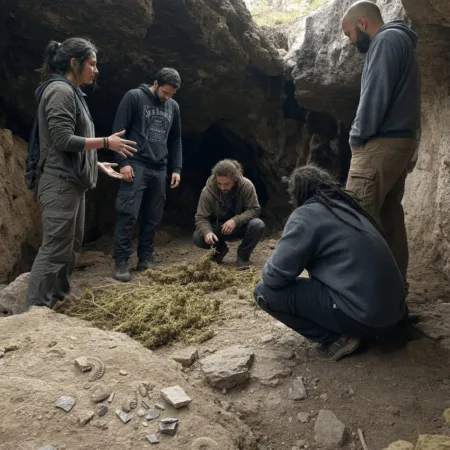
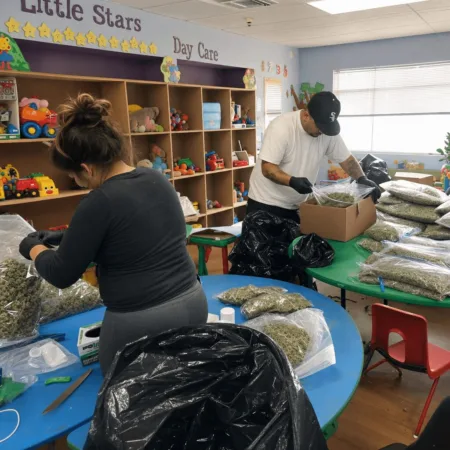
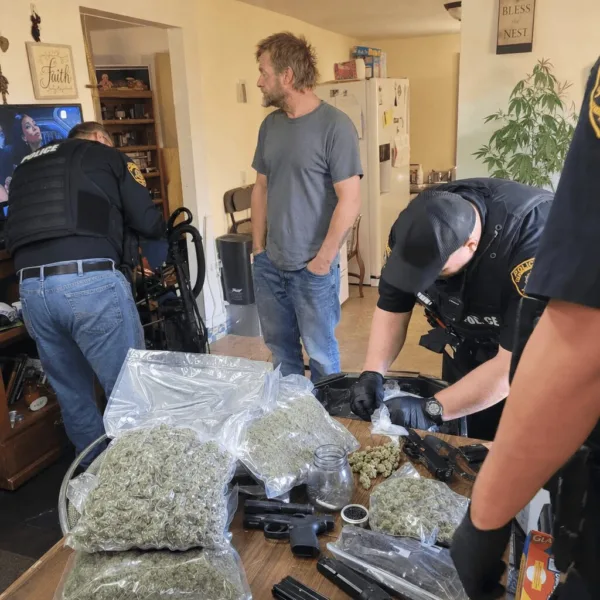
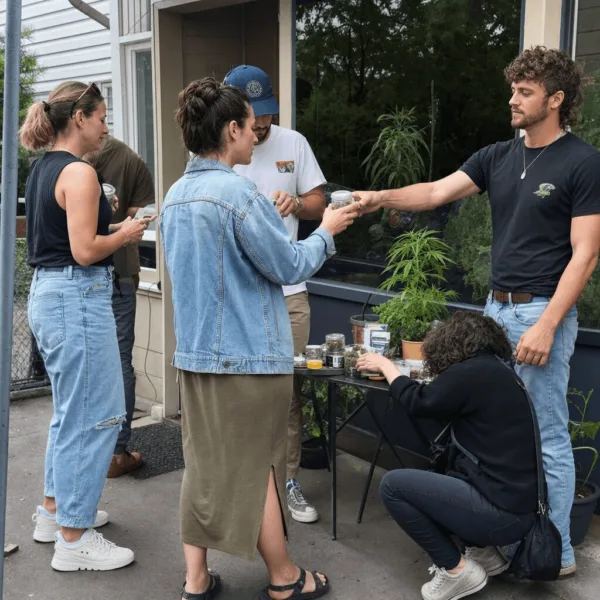
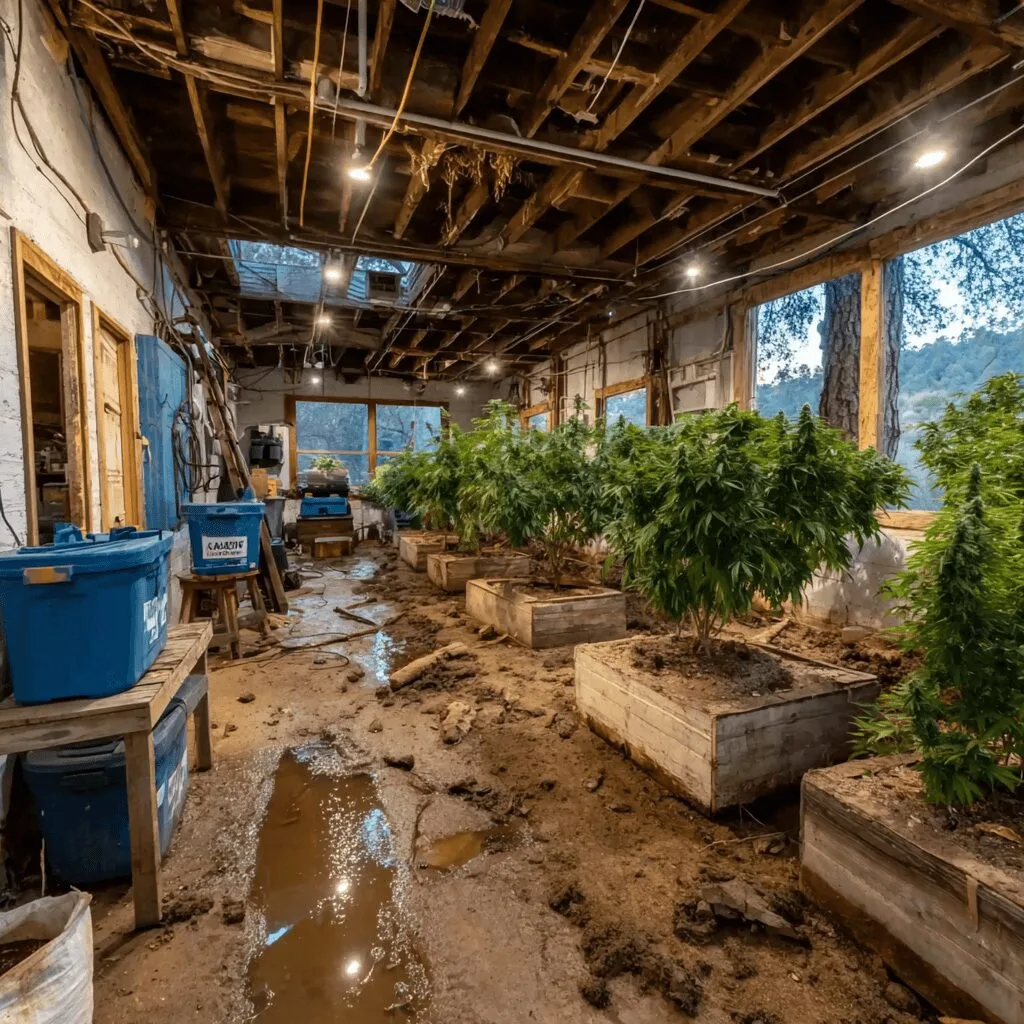
Recent reports from KOCO News reveal a surge in abandoned medical marijuana grow sites across Oklahoma. These deserted facilities, once bustling with cultivation activity, now pose severe risks due to leftover chemicals, nutrient waste, and deteriorating infrastructure. State officials have highlighted specific counties, like Caddo, Cherokee, and Adair, where landowners and local authorities discovered grow houses stripped of valuable equipment, leaving behind potentially toxic residues and electrical hazards. The Oklahoma Medical Marijuana Authority (OMMA) recently increased inspections, citing incidents in early 2024 where property owners unexpectedly inherited contaminated greenhouses or warehouses after tenants vanished. According to recent legal filings and local news, OMMA recorded dozens of complaints regarding environmental neglect and improper waste disposal at these abandoned sites. In some towns, issues of underage exposure and product diversion have heightened scrutiny on retail practices, echoing the concerns raised in recent investigations into illegal marijuana sales to minors. As the legal market consolidates and marginal operators exit, landowners and rural communities are left shouldering the high costs and legal ambiguities of abandoned marijuana grow cleanup.
Expert Analysis: Why Abandoned Marijuana Grow Cleanup Matters and What Comes Next
The abandoned marijuana grow cleanup problem reflects deeper struggles within unregulated cannabis booms. From an industry perspective, it’s a classic tale: fast growth, under-regulated markets, and folks chasing quick green, leading to unintended consequences. As Weedmaps industry experts point out, “Oklahoma’s accessible licensing model brought innovation and jobs, but it also attracted speculative players with little intent to cultivate responsibly.” Environmental watchdogs warn that improperly dumped fertilizer, pesticides, and hydroponic solutions can pollute rivers, threaten livestock, and even harm local drinking water. Property owners, meanwhile, encounter legal nightmares sorting out who pays for cleanup, sometimes facing multi-thousand-dollar remediation bills (source: Norman Transcript). Longtime cannabis advocate and cultivation consultant Chris Leszcynski notes, “The solution isn’t to vilify the plant or the legitimate operators, it’s to strengthen compliance, support ethical growers, and help rural landowners recover.” To put this into perspective, recent legal reforms, such as reducing penalties for marijuana infractions in other states, show that change is possible when communities respond proactively. Proposals include creating state-funded remediation grants, better communication between OMMA and landowners, and requiring insurance bonds for all new licenses, measures already being debated in the Oklahoma Capitol. By refocusing on social responsibility and sound regulation, the industry can address the abandoned marijuana grow cleanup dilemma while protecting its remarkable growth potential.
Outlook: Cleaning Up and Moving Forward
Despite the current challenges, Oklahoma’s cannabis community remains resilient and optimistic. Industry groups, such as the Oklahoma Industrial Cannabis Association, are pushing for smart reforms and sustainable best practices in cultivation and remediation. Legislators have signaled broad support for more rigorous monitoring of new licenses and statewide cleanup initiatives. As more folks recognize the environmental impacts of abandonment, social acceptance of responsible cannabis businesses is rising. According to Leafly, the broader trend nationally is clear: responsible operators are stepping up, markets are stabilizing, and state authorities are learning fast. With community focus and ongoing reforms, Oklahoma’s abandoned marijuana grow cleanup efforts can turn a crisis into a comeback story—keeping the Sooner State’s green revolution both sustainable and beneficial for all.
Originally reported by: koco.com