


Nebraska cannabis commission protest erupts in Omaha
When it comes to the evolving cannabis landscape, few states have seen the kind of passionate, grassroots response recently witnessed in Omaha. The Nebraska cannabis commission protest has grabbed headlines for good reason. With state regulations, local policies, and patient advocates all colliding at this perfect moment, real stakes hang in the balance for Nebraska citizens. This protest is about far more than one government meeting—it’s a reflection of shifting social tides and hard questions about local access, criminal justice, and economic opportunities. In the sections below, I’ll break down what happened in Omaha, why it matters, and where Nebraska fits into the national conversation on cannabis reform. Stick with me as we dig into the facts, the context, and the real opportunities this protest signals for the state’s future.
The Regulatory and Social Backdrop: Nebraska Cannabis Commission Protest in Context
Understanding the Nebraska cannabis commission protest means grasping the unique regulatory crossroads Nebraska stands at today. For years, Nebraska has maintained some of the country’s strictest cannabis laws. Medical marijuana remains technically illegal, with only a narrowly defined medical CBD law enacted in 2015. Despite mounting local and national support, ballot attempts to legalize broader access have repeatedly faced legal and legislative setbacks, as Marijuana Moment reports.
Surrounding states such as Colorado and Missouri not only decriminalized but embraced recreational use, making Nebraska’s prohibition increasingly isolated regionally and economically. Stark enforcement disparities persist. According to ACLU data, Black Nebraskans are over four times more likely to be arrested for cannabis-related offenses than white residents—a figure drastically higher than the already troubling national average. These kinds of regional developments highlight the importance of following market shifts—like the growing opportunities emerging in Ohio’s cannabis sector, which offers insight into how legislative trends might influence neighboring states (see how Ohio’s cannabis market is evolving). Throw in waves of support from patient advocacy groups, public health professionals, and a growing contingent of industry leaders, and it’s no surprise activists are ready to make noise. The Nebraska cannabis commission protest is more than just a news headline, it’s the culmination of a decade of advocacy, frustration, and shifting social priorities in the Cornhusker State.
Key Developments & Issues: Breaking Down the Nebraska Cannabis Commission Protest
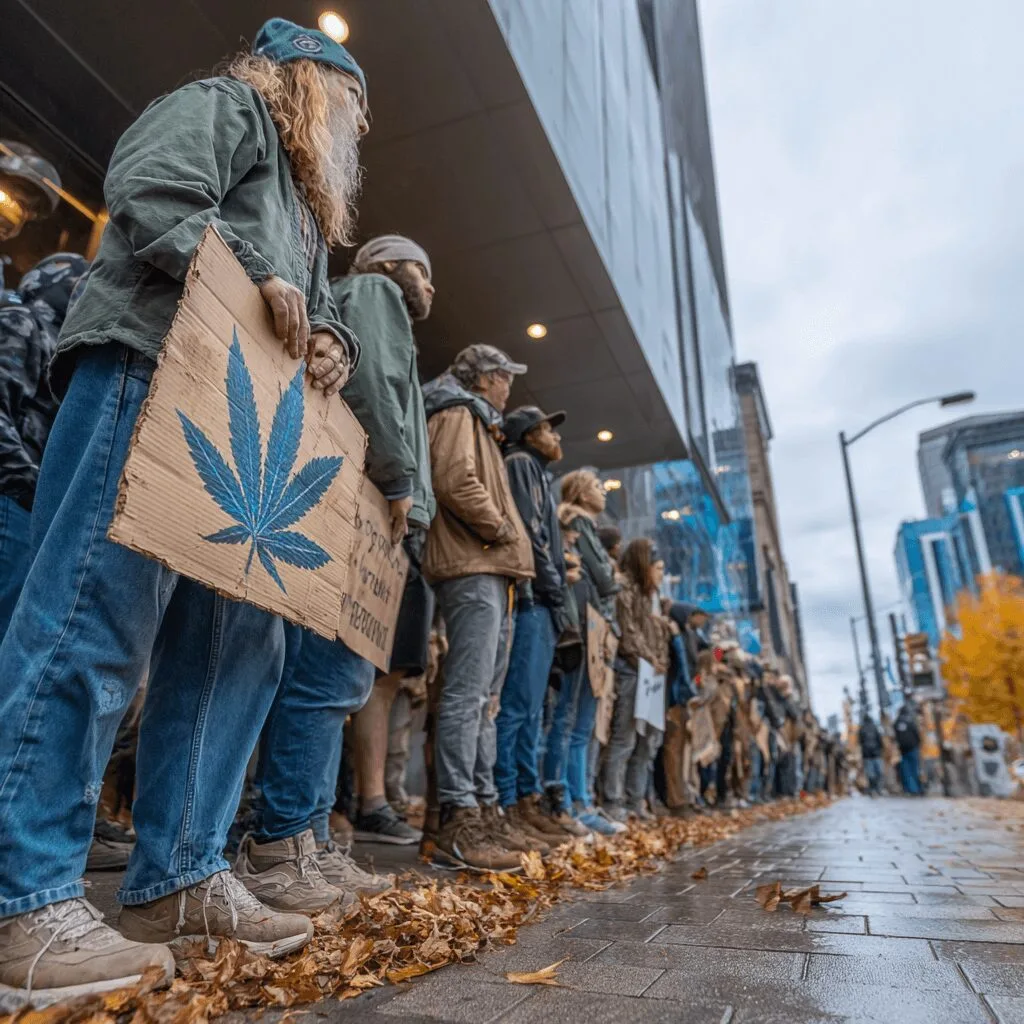
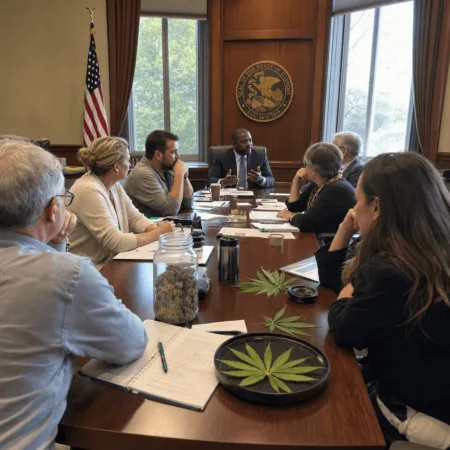
The Nebraska cannabis commission protest in Omaha took shape on October 15, 2025, as commissioners gathered for a pivotal meeting to discuss the state’s evolving cannabis regulations. As captured by WOWT News, dozens of Nebraskans rallied outside the government building, voicing concerns over patient access, stalled legislative reforms, and continued criminalization. Protesters included both longtime medical marijuana supporters and new faces galvanized by stories of families leaving Nebraska for medical care or facing prosecution for minor possession.
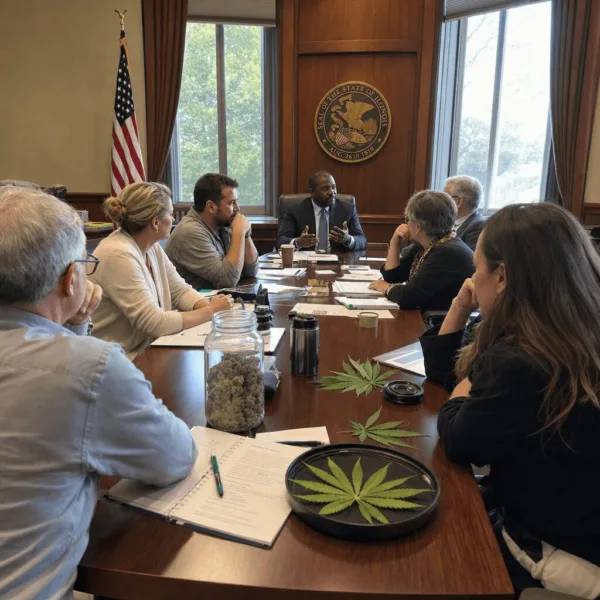
Commission session transcripts, shared publicly under state transparency rules, show heated debate over potential regulatory frameworks, ranging from tightly limited medical programs to broader decriminalization measures. For example, the local response to such regulations often resonates with advocacy-driven meetings seen in other regions, emphasizing the impact of engaged community members (as seen in community-focused cannabis meetings). Specific issues raised included patient registry barriers, qualifying conditions, and the lack of protection for personal home cultivation. Over twenty speakers addressed the commission, with several referencing recent polling showing that over 60% of Nebraskans support medical legalization. Despite this, legislative leaders hesitated to promise immediate change, citing “ongoing legal review” and data collection as next steps. Meanwhile, local advocacy organizations such as Nebraska Families 4 Medical Cannabis and Nebraskans for Sensible Marijuana Laws were front and center, organizing volunteers, distributing educational materials, and facilitating press interviews to amplify reform messaging.
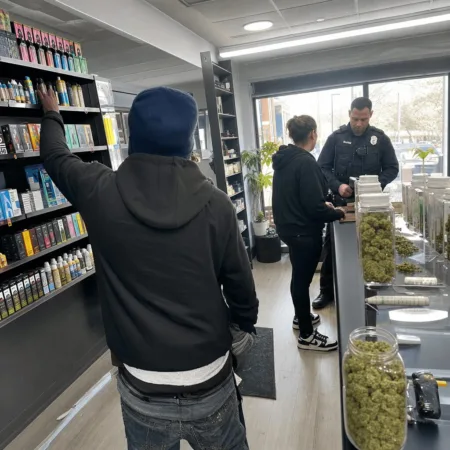
Throughout the event, a visible police presence and official statements emphasized “public order.” No arrests were reported, but advocates alleged that some attempts at engagement with lawmakers were rebuffed. Social media coverage on platforms like X (formerly Twitter) accelerated the conversation, quickly trending regionally under hashtags like #NebraskaCannabisProtest and #OmahaReform. This highly public standoff arguably marks one of the most visible Nebraska cannabis commission protest moments to date, with potential to shape both local and statewide dialogue going forward.
Expert Analysis & Insights: What the Nebraska Cannabis Commission Protest Really Means
So what are the actual takeaways from the Nebraska cannabis commission protest in Omaha? Here’s where deep industry understanding really comes into play. First, the breadth of support for medical marijuana now crosses traditional rural, urban and party lines—a sign that entrenched opposition may soon lose its political footing. As Leafly News notes, states that slow-walk cannabis reform often see mounting public pressure and eventual breakthroughs.
For advocates, stories from Nebraska echo lessons learned through campaigns elsewhere, such as in Oklahoma, where mobilized community engagement may drive historic change (community voices have shaped the legalization debate in neighboring states). Second, visible protest and direct testimony at public commission meetings can be a game-changer for policy momentum. As a well-known Nebraska-based advocate told reporters, “Change in this state only happens when Nebraskans get loud, show up, and refuse to be ignored. Today we sent a clear message: reform is coming, whether the commission is ready for it or not.” (Source: NORML Nebraska)
Third, the Nebraska cannabis commission protest underlines the importance of legal clarity for patients, law enforcement, and future entrepreneurs alike. Without timely commission action and legislative follow-through, Nebraskans risk getting left behind as neighboring states reap economic and public health benefits. According to Cannabis Business Times, robust state cannabis frameworks can unlock millions in new tax revenue, job creation, and significant reductions in cannabis-related arrests. These experiences parallel how industry collaboration can redefine advocacy power, setting precedents well beyond state borders (read more about transforming advocacy and collaboration in cannabis policy).
Future Outlook & Conclusion: Why Nebraska’s Cannabis Story is Just Beginning
If there’s one thing clear after the Nebraska cannabis commission protest, it’s that the status quo is running out of runway. With patient, public, and business advocacy uniting under one banner, Nebraska is inching closer to joining the forty-plus states that now recognize some form of legal cannabis. Industry insiders believe that change, when it comes, will unlock both compassionate health care access and sorely needed economic opportunities—without compromising the state’s values or public safety.
Momentum is building, and national eyes are on Nebraska as a pivotal next domino to fall. According to recent Pew Research data, national social acceptance of both medical and recreational cannabis is at an all-time high, signaling Nebraska’s reform journey is part of a much larger movement. For advocates, policymakers, and everyday citizens, the vital conversations amplified by the Nebraska cannabis commission protest could soon help the Cornhusker State carve its own meaningful path in cannabis history.
Originally reported by: wowt.com

1 Comment
Pingback: Nebraska cannabis public hearing: What locals really said