





THC gummies Halloween candy warning: What parents must know
No joke—Halloween is here and along with ghosts and goblins, there’s a real concern making headlines: the THC gummies Halloween candy warning. As cannabis-infused treats become more mainstream, parents are being urged to stay extra vigilant. Recent events and market trends show a rise in cannabis edibles’ popularity, and sometimes those treats can land in the wrong hands. This article breaks down why the issue is blowing up right now, where the risks and misunderstandings are, and—most importantly—how to make this the safest Halloween yet.
Understanding the THC Gummies Halloween Candy Warning: Regulatory and Social Background
States across the U.S., including those considering new compliance standards, are still navigating the tricky waters of cannabis edibles, especially when Halloween rolls around. According to the U.S. Food and Drug Administration, cannabis products must be strictly labeled and kept out of children’s reach, but grey-market gummies often slip through regulatory cracks. Since not all states have robust packaging and marketing rules, some THC-infused edibles look dangerously similar to regular candies. This leads to confusion, concern, and headlines about unsafe Halloween hauls. Meanwhile, the legal cannabis market pushes for more education, improved packaging, and clear boundaries to distance legal, regulated products from illicit or knockoff versions (NORML regulatory overview). Socially, unease grows as more adults consume openly, and kids see treats in the home. With communities like Riverhead navigating their own regulations and moratoriums on cannabis activity, as seen in recent local debates, all of this feeds into the annual THC gummies Halloween candy warning frenzy, which blends genuine safety issues with urban legend vibes, challenging responsible cannabis advocates to clear things up.
Key Developments & Issues Shaping the THC Gummies Halloween Candy Warning
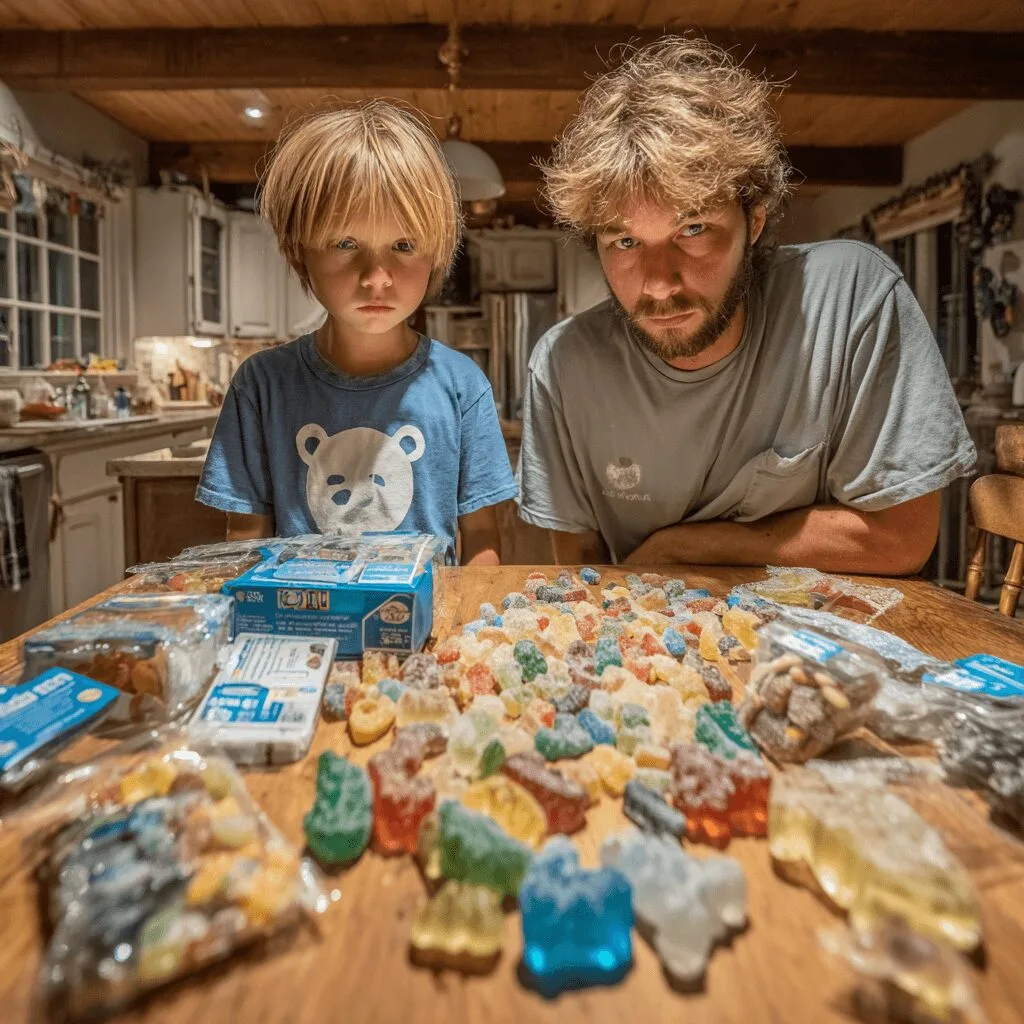
Let’s talk specifics: This Halloween, police departments and parent groups across the country are circulating warnings about THC-infused edibles sneaking into kids’ baskets. Recent incidents in states like Illinois and Ohio saw parents report finding branded cannabis gummies—think neon bears and fruity shapes—in Halloween piles (NBC News highlights). While many end up being false alarms or misunderstandings, a handful of real cases have triggered hospital visits from accidental ingestion. Legal distinctions make this even messier. For example, in areas like Grundy County, new compliance regulations are forcing local stores to pay close attention to evolving THC guidelines—a detailed breakdown can be found here: THC compliance in 2024. While licensed companies like Wyld, Kiva, and Wana Brands must adhere to strict state guidelines for child-proof packaging, underground producers dodge these safeguards entirely (MJBizDaily industry report). Shock value photos of copycat candies appear each October, and major city police departments have issued bulletins in 2023 repeating the THC gummies Halloween candy warning. Despite low statistical risk, the headlines fuel anxiety for parents. At the same time, legal markets continue to stress the difference between compliant, legal edibles and the unregulated ones that spark these annual scares (Leafly educational analysis).
Expert Analysis & Cannabis Industry Perspective on Edible Safety
Now, let’s separate fact from fear-mongering. Expert voices from the cannabis world agree, accidental ingestion is a real but rare event, largely preventable with proper protocols. “The vast majority of accidental exposures come from unregulated or illicit products with poor packaging—not from legal, licensed operators,” explains Leafly’s Bruce Barcott. Industry insiders push for uniform, stringent packaging standards nationwide. Why? Because confused parents and overhyped headlines blur the true story behind the THC gummies Halloween candy warning. Research in JAMA Network Open underscores the need for education: simple parental awareness and secure storage prevent most mishaps. And with the cannabis landscape shifting because of high-profile incidents, as seen when controversies over retail operations make waves (recent local enforcement shock), it’s clear that as legal cannabis grows, so does industry accountability. Most brands devote major resources to tamper-proof pouches, clear THC warning symbols, and company-funded educational campaigns. But the illicit edible scene remains the wild west, sometimes copying major candy labels or skipping safety protocols altogether. Responsible advocacy means championing safe storage, clearly separating legal and illegal products, and putting proactive power in parents’ hands, not just stoking seasonal panics.
The Road Ahead: Reducing Risk and Building Trust Around THC Gummies at Halloween
Here’s the high note: Progress is real. As state regulators, industry leaders, and parent organizations collaborate, awareness grows each year. Legal markets demand higher packaging standards and ongoing public education (California Cannabis Control FAQ). Communities everywhere are building trust in regulated cannabis and learning to spot the signs of tampered or fake treats. With responsible cannabis use now squarely in the mainstream spotlight, the future looks bright for solutions—not just scare tactics. As long as everyone keeps talking, sharing information, and staying alert, the THC gummies Halloween candy warning can evolve from an annual panic to an opportunity for smarter, safer celebrations for all. In short, let’s keep it chill, stay informed, and enjoy the season—knowing that a little knowledge (and some common sense) goes a long way in protecting our kids and strengthening the credibility of the cannabis world.
Originally reported by: the-express.com



1 Comment
Pingback: Lusaka bus fare overcharge: Fare Scams Exposed!