

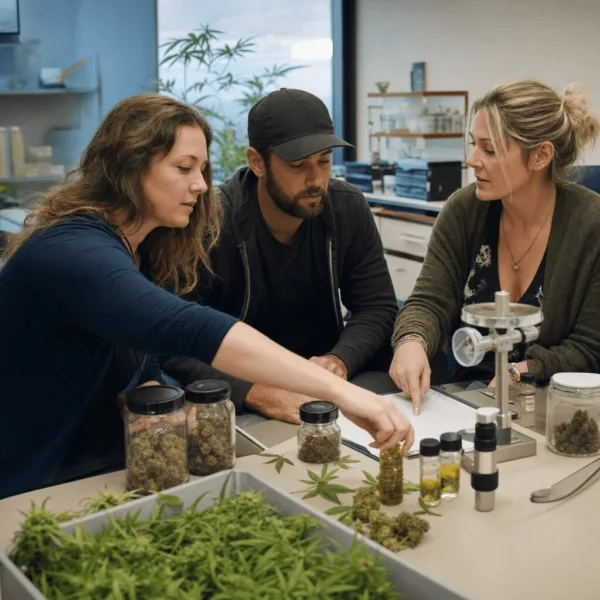




Cannabis Medical School Competencies: What Every Med Student Needs
Let’s face it: the cannabis industry is firing up faster than ever—legally, scientifically, and socially. But most medical schools are still teaching cannabis as if it’s just an afterthought or a late-90s urban legend. Enter the new cannabis medical school competencies. This shift matters: doctors-in-training need updated, legit knowledge to handle real-world patient needs and unravel the fog left from decades of prohibition. In this article, we’re breaking down what these cannabis medical school competencies mean, why they’re in the headlines now, and how they’re set to reboot the medical curriculum for the 21st century.
The Evolving Landscape: Why Cannabis Medical School Competencies Matter
For decades, U.S. medical education has been slow to adapt to the realities of cannabis as medicine. Regulatory changes, such as the FDA’s approval of CBD-based drugs, and shifts in state laws have cracked open the door, but widespread clinical acceptance still faces roadblocks. According to NORML, over 38 states have legalized medical marijuana in some form, while a majority of Americans support responsible adult use. Yet, most med schools barely cover basics like endocannabinoid signaling, therapeutic indications, or legal nuances. For example, the debate over safe and legal access continues to spark controversy, as seen in recent high-profile cases like the Myrtle Beach marijuana trafficking arrest, illustrating the importance of up-to-date cannabis education. The demand for cannabis medical school competencies is grounded in rapid market growth, patient advocacy breakthroughs, and a burgeoning need for physicians who actually understand this ancient, and now highly regulated, plant.
Breaking News: Six Core Cannabis Medical School Competencies Finalized
Major news just dropped: a national panel of medical educators, clinicians, and research scholars finalized six pivotal cannabis medical school competencies for U.S. med schools. According to a detailed report from Conexiant, these competencies range from foundational cannabinoid science and legal landscape understanding, to safe prescribing and patient communication. Groups involved included representatives from leading medical colleges and family medicine professionals. The competencies address the ability to assess risk, navigate complex federal-state law conflicts, and foster unbiased, evidence-based patient interactions. The regulatory landscape is experiencing similar upheaval internationally, such as Spain’s recent moves on medical cannabis legalization. This officially marks a shift from scattered cannabis lectures to structured, nationally vetted education standards. The unveiling happened in early 2024 and signals a turning point, since now every U.S. med school has a clear, authoritative framework built on consensus, not politics.
Expert Take: Why Real-World Cannabis Education Is Essential
Here’s the deal, these cannabis medical school competencies aren’t just regulatory box-ticking. The medical community finally admits that patient care suffers if future doctors only know cannabis from last-generation textbooks or myth-busting podcasts. As Dr. Peter Grinspoon told Medscape: “We can’t continue sending physicians into practice unprepared for the nuanced legal and medical realities their patients face.” The new framework ensures critical gaps get plugged, from dosing and interactions to stigma-busting and safe use counseling. Industry observers point out that, with over 4 million registered U.S. medical cannabis patients, future-proofing the curriculum isn’t extra credit, it’s essential healthcare. These competencies also bring American standards closer to those seen in progressive countries such as Canada and Israel, as noted by Cannabis Health News UK. Furthermore, as laws continually evolve, many young adults and even adolescents face new challenges around sleep and usage patterns, which recent research highlights in the context of cannabis use and sleep among adolescents and young adults.
Looking Ahead: Cannabis Education Joins the Mainstream
This move to formalize cannabis medical school competencies sets the gold standard for modern medical training. Sure, we’ll still see some groans from old-school gatekeepers, but the trendline is set. More med schools will work cannabis content into mainstream coursework, and tomorrow’s doctors will finally have the confidence and evidence-based training patients deserve. With growing social acceptance and evolving state laws, we’ll see more research funding and greater clinical integration ahead. The tide is turning—this is just the beginning. As noted by Marijuana Moment, leading medical organizations now advocate for robust, responsible cannabis education. Good medicine means good information, and these competencies are a milestone for smart, compassionate care.
Originally reported by: conexiant.com


1 Comment
Pingback: Florida medical cannabis market Faces Major Struggles