



The DOJ investigation Cherokee cannabis controversy is sparking massive attention lately, especially in North Carolina and throughout the cannabis sector. As federal eyes turn toward the Eastern Band of Cherokee Indians’ innovative industry, everyone from casual consumers to investors and policymakers wants to know what’s at stake. Is this just another regulatory dustup—or does it signal deeper changes for tribal sovereignty, legal weed, and the Southern cannabis market? Let’s break down why this new investigation is a hot topic right now and what it could mean for the future of cannabis in the Carolinas and beyond.
Regulatory Landscape: Why the DOJ Investigation Cherokee Cannabis Is a Major Flashpoint
Understanding the DOJ investigation Cherokee cannabis story means digging deep into the mix of tribal rights, state loopholes, and federal cannabis prohibition. North Carolina itself has traditionally been a fortress against legalization, no medical or recreational weed through state law, just low-THC CBD oil under narrowly defined circumstances, as detailed by NORML. Meanwhile, Congress keeps cannabis on the Schedule I narcotics list, making any cultivation or retail technically illegal at the federal level.
But the Eastern Band of Cherokee Indians (EBCI), who are sovereign within their Qualla Boundary territory, aren’t beholden to state law on their own land. Thanks to evolving policies and bold votes, they’ve greenlit both medical and recreational cannabis programs, making them pioneers among Southeastern tribes. According to the Marijuana Moment, the EBCI’s move not only pushes the envelope for Southern cannabis, but also tests the limits of tribal autonomy versus federal oversight.
Recently, the rising interest in tribal cannabis has drawn both political ire and public support. Industry reports from Cannabis Tech and Leafly News highlight the complex patchwork of regulation, with tribes staking out unique positions in a multi-billion-dollar, rapidly changing industry. That’s what sets the stage for the current high-stakes tension between local initiatives and federal scrutiny in the DOJ investigation into Cherokee cannabis situation.
Key Developments & Issues: How the DOJ Investigation Cherokee Cannabis Unfolded
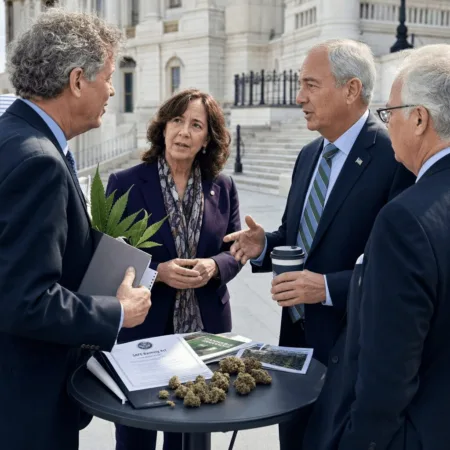
Here’s where we get into the nitty-gritty. In late May 2024, North Carolina Senator Thom Tillis officially called for a Department of Justice probe into the EBCI’s tribal cannabis operation, according to News from the States. He cited possible violations of federal law and potential cross-border sales concerns. Tillis has long been vocal against moving forward with weed reforms in the state, so his move is no big surprise to many observers.
Within days, the DOJ confirmed receipt of Tillis’ letter and said they’d review the Cherokee cannabis enterprise for federal compliance, looking at business licenses, distribution, cultivation practices, and security protocols. The EBCI leadership quickly pointed out that their business operations strictly follow tribal law, which was developed after years of research and consultations with regulators and industry advisors. Tribe spokespersons have emphasized that products are only sold or distributed on the Qualla Boundary, and that all safeguards are in place to prevent diversion.
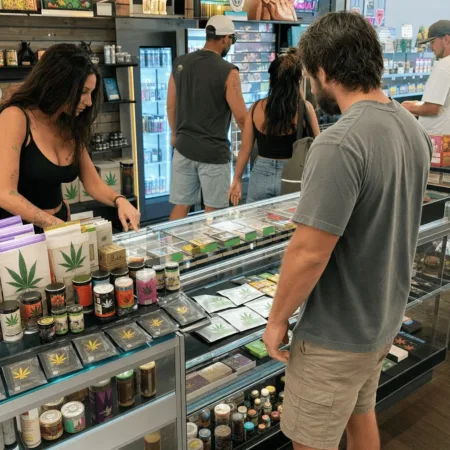
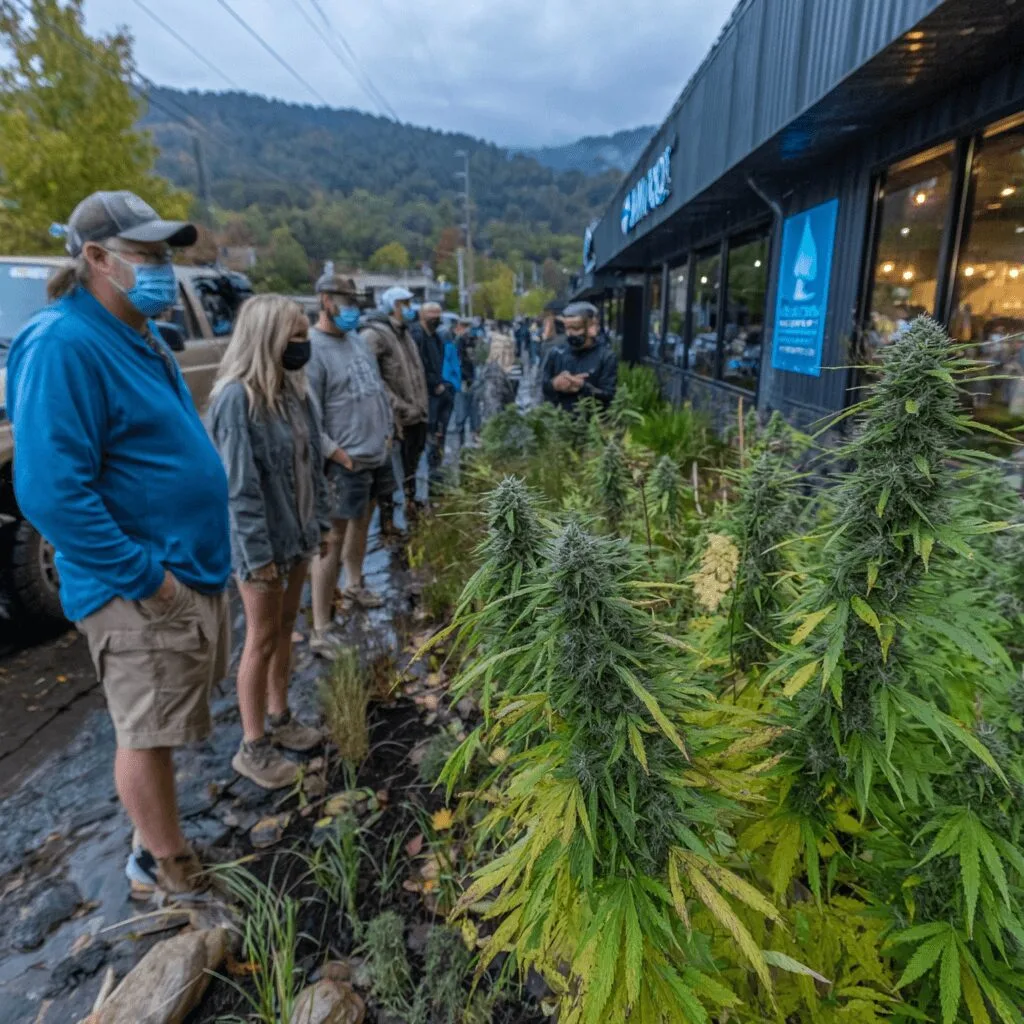
Meanwhile, cannabis companies operating under tribal authority—like Qualla Enterprises, LLC—report robust demand for medical and recreational licenses, with lines of patients and adult-use consumers extending outside retail locations. Leafly News details similar tribal cannabis enterprises across the U.S. facing varying degrees of state and federal scrutiny, highlighting the uniqueness of each legal battleground. For those interested in how scrutiny has affected other jurisdictions, the closure of cannabis stores in British Columbia offers a parallel about enforcement pressures. As of June 2024, no federal action has been taken against the Cherokee operations, but the mere fact of a DOJ investigation casts a long shadow over their pioneering efforts.
Socially and economically, this move has opened debates about law enforcement priorities, regional healthcare, and economic justice for tribes. Critics warn about potential ‘leakage’ to non-tribal areas, while advocates say these concerns are overblown, hoping the DOJ investigation Cherokee cannabis story doesn’t slow the industry’s forward momentum.
Expert Analysis & Insights: What the DOJ Investigation Cherokee Cannabis Means for the Industry
Let’s be real, when the feds get involved, everyone in the business sits up and takes notice. The DOJ investigation Cherokee cannabis raises big questions about sovereignty, state versus federal powers, and the future of cannabis far from the West Coast hotspots. While some fear another round of overzealous enforcement, most seasoned advocates see this as a crucial opportunity for dialogue and reform.
Tribal industry experts, such as those cited in Native Business Magazine, point out that tribes often have some of the most stringent product traceability requirements and robust compliance standards in the country. EBCI leaders have repeatedly stated their commitment to staying above board—often exceeding state-level rules for accountability. In a May 2024 panel, Cynthia Gomez, a celebrated Native American cannabis policy advocate, explained, “This isn’t just about weed, it’s about economic justice, healthcare access, and tribal self-determination in action” (Forbes).
Other experts highlight that the DOJ’s approach could both clarify and challenge national policy. As noted by the Brookings Institution, the DOJ has a long history of inconsistent cannabis enforcement, especially in tribal and border regions. Advocates argue that supporting tribal-led cannabis programs aligns with federal restorative justice and economic development principles. The friction over legal weed is playing out in headlines elsewhere too, such as recent debates about cannabis enforcement and trafficking arrests in Myrtle Beach, putting a spotlight on law enforcement priorities as much as regulatory frameworks.
Ultimately, the DOJ investigation Cherokee cannabis drama highlights crucial friction points, but also potential for positive change. The story transcends weed—it’s about who gets to lead innovation and equity in the emerging legal market.
Future Outlook & Conclusion: Why the DOJ Investigation Cherokee Cannabis Is Bigger Than One Case
Looking ahead, the DOJ investigation Cherokee cannabis battle could set major precedents—both for the EBCI and other tribes across the country. So far, no federal crackdown has materialized, suggesting that the government may be inching toward negotiation, not confrontation. This case could inspire other tribal nations to pursue regulated cannabis—empowering economic growth, community health, and tribal governance in places that often get overlooked in the national debate.
Legal experts and trade organizations like the Marijuana Business Daily believe this saga will push regulators to finally clarify the messy state-tribal-federal relationship. As more Americans support legal weed, the pressure will only build. Whatever happens next, you can bet Cherokee cannabis pioneers will keep blazing the trail—and that the ripples from this story will be felt far beyond North Carolina’s borders.
As Leafly put it in their latest trend report: “Tribal sovereignty and smart local regulation could be what finally moves the needle for legal cannabis in the Southeast.” That optimism is infectious—let’s see where the road leads next.
Originally reported by: newsfromthestates.com